
The Power of Web3
How Decentralization is Changing Everything
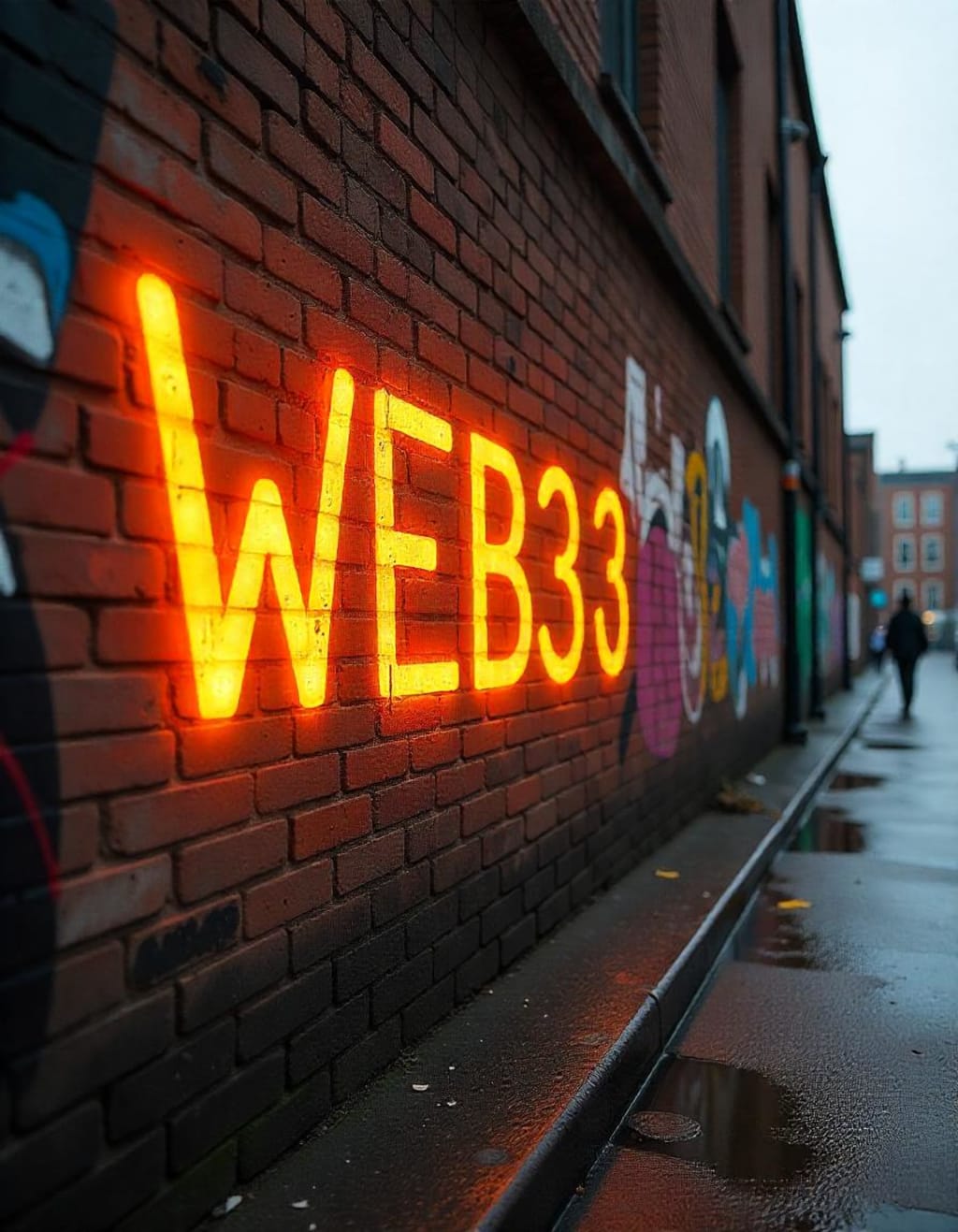
The digital world has seen its fair share of transformations, from the simple, static Web1 to the highly interactive and centralized Web2. Now, we stand at the cusp of the next big leap—Web3. But what exactly is Web3, and why is it such a game-changer?
Simply put, Web3 refers to the third generation of the internet, one that is decentralized, user-centric, and powered by blockchain technology. Unlike Web2, where data and power are controlled by large corporations like Google, Facebook, and Amazon, Web3 seeks to return control to the users. This move toward decentralization is not just a technical shift; it's a philosophical one, aiming to break free from the monopolies that dominate the current digital landscape.
So, how is decentralization reshaping everything? Let’s dive in.
Understanding Web3: A Quick Overview
At its core, Web3 is all about decentralization. It's built on blockchain, a distributed ledger technology that allows data to be stored across multiple locations, making it more transparent, secure, and resistant to censorship. This is a stark contrast to the centralized systems of today, where a single entity controls the flow of data.
In Web3, users own their data and have control over how it is shared. This new model gives rise to a more open, peer-to-peer internet, where trust is established through cryptography and smart contracts, not middlemen or centralized authorities.
The Evolution from Web1 and Web2 to Web3
To understand the significance of Web3, it helps to look at the evolution of the web.
Web1: The first iteration of the web was read-only. It consisted mainly of static web pages where users could only consume information. Think of it as a digital library where you could browse, but not interact.
Web2: The second generation introduced interactivity. It allowed users to not just consume but also contribute, creating the rise of social media, eCommerce, and user-generated content. However, Web2 also saw the concentration of power in the hands of a few tech giants, leading to concerns about privacy, data ownership, and censorship.
Web3: This is where decentralization comes into play. Web3 offers a more democratic internet, where control is distributed, and users own their data. Blockchain is the backbone of Web3, ensuring that everything from digital transactions to content creation is transparent, secure, and trustless.
The Rise of Decentralization: Why It Matters
The rise of decentralization is central to Web3. But what exactly does decentralization mean?
In simple terms, decentralization refers to the distribution of power and control. In a decentralized system, no single entity has absolute control. Instead, power is spread across many participants, making the system more transparent, resilient, and secure.
Why is decentralization important? In a centralized web (like Web2), companies hold the keys to your data and often use it for their own profit. Decentralization shifts the balance of power back to the users, giving them control over their digital identities, data, and assets.
Key Features of Web3
Blockchain Technology and Its Role in Decentralization
Blockchain is the heart of Web3. It’s a distributed ledger that allows data to be stored across multiple locations, making it immutable and transparent. With blockchain, every transaction or piece of data is verified by the network, ensuring that no single party can manipulate the information.
Smart Contracts: Automating Trust and Transactions
Smart contracts are self-executing contracts with the terms of the agreement directly written into code. They allow users to execute transactions without needing an intermediary. For example, in a decentralized finance (DeFi) system, smart contracts can automatically execute loans, interest payments, and more, based on predefined conditions.
Tokenization and NFTs: Redefining Digital Ownership
Web3 also brings tokenization into the spotlight. This refers to the creation of digital tokens that represent ownership of a real-world asset, whether that’s a piece of art, real estate, or even a digital collectible. Non-fungible tokens (NFTs) have become the most famous example, providing a way for individuals to own, trade, and sell unique digital assets.
How Web3 is Reshaping Industries
Web3 is not just an abstract concept—it’s already starting to change industries.
Web3 in Finance: Decentralized Finance (DeFi)
The rise of decentralized finance (DeFi) is one of the most exciting aspects of Web3. In traditional finance, banks and other intermediaries act as middlemen, taking a cut of every transaction. DeFi removes the need for these intermediaries, allowing users to borrow, lend, and trade directly with one another through smart contracts. This shift could lower costs and provide financial services to those who are underserved by traditional banks.
Web3 in Social Media: Breaking the Centralization Barrier
Social media is another area that stands to benefit from Web3. In the current landscape, platforms like Facebook, Twitter, and Instagram control user data and can censor content at will. Web3 social media platforms aim to change that by giving users control over their data and ensuring that content can’t be easily removed or suppressed.
Web3 and the Future of eCommerce
eCommerce is another industry where Web3 could have a major impact. With decentralized platforms, buyers and sellers can interact without the need for intermediaries, reducing fees and increasing privacy. Moreover, the use of blockchain technology can enhance the security of online transactions and provide a more trustworthy environment for consumers.
Challenges of Web3
Despite its potential, Web3 is not without challenges.
Scalability Issues in Web3
One of the biggest hurdles for Web3 adoption is scalability. Blockchain networks, particularly Ethereum, face limitations when it comes to handling a large number of transactions quickly. As Web3 grows, solving scalability issues will be crucial to its widespread adoption.
Security Concerns and Risks of Decentralized Platforms
While decentralization enhances security by removing single points of failure, it also introduces new risks. Decentralized platforms rely heavily on smart contracts, and bugs or vulnerabilities in these contracts can lead to security breaches. Moreover, the lack of centralized authorities makes it harder to resolve disputes and ensure accountability.
The Impact of Decentralization on Society
Empowering Users: The End of Corporate Control
Perhaps the most exciting aspect of decentralization is its potential to empower users. By eliminating corporate control, Web3 gives individuals more control over their online presence and interactions. This could lead to a more equitable digital world, where users have a greater say in how their data is used.
How Decentralization Affects Data Privacy
In a decentralized world, privacy becomes a priority. Web3 allows individuals to control their own data, deciding who can access it and under what conditions. This is a huge shift from the current model, where companies often exploit user data for profit.
Web3 and the Future
As we look ahead, the future of Web3 is filled with promise. A fully decentralized internet could lead to more equitable opportunities, enhanced privacy, and new ways for individuals to interact and transact online.
The Vision for a Fully Decentralized Internet
In the long term, Web3 envisions a completely decentralized internet where users control their data and have the freedom to engage in peer-to-peer transactions. This vision could reshape everything from social media to the global economy.
How Web3 Could Redefine Trust and Power
By eliminating centralized entities, Web3 could create a new paradigm for trust. Instead of relying on a single organization to validate information, Web3 uses blockchain and cryptography to establish trust in a decentralized manner.
Conclusion: Is Web3 Ready for Mass Adoption?
While Web3 holds enormous potential, it still faces significant hurdles, including scalability, security, and user education. However, as technology improves and more platforms embrace decentralization, we could soon see Web3 become the new standard for the internet.
FAQs
What is Web3 and how does it work?
How does decentralization change the internet?
What industries are most affected by Web3?
What are the challenges in transitioning to Web3?
How can Web3 impact the average internet user?
About the Creator
Apleetech
Apleetech is a Professional Technology Platform. Here we will provide you only interesting content, which you will like very much. We're dedicated to providing you with the best of Technology, with a focus on dependability and Tech.
About Binding Prometheus
I want to start actively advocating on behalf of my own work, and the most valuable part of my canon is, without a doubt, Binding Prometheus, the play I have been working on since 2019 and only finished in 2023 as part of my MA. The play itself is an amalgamation of a million different inspirations. On one end, it evokes the Ancient Greek myth-play, deriving its own title from the earliest extant work of Western drama we have, Aeschylus’s Prometheus Bound. On the other end, it borrows significantly from the sci-fi bulwarks from over the years, namely Mary Shelley’s Frankenstein and Karel Capek’s Rossum’s Universal Robots. The play could be an episode of Black Mirror, I fear. I don’t know. I’ve only ever seen one episode of Black Mirror.
By Steven Christopher McKnight13 days ago in Futurism
Sample Preparation Market: Reliable Processing & Growth Outlook
According to IMARC Group's latest research publication, The global sample preparation market size reached USD 8.6 Billion in 2024. Looking forward, IMARC Group expects the market to reach USD 14.0 Billion by 2033, exhibiting a growth rate (CAGR) of 5.26% during 2025-2033.
By James Whitmanabout 7 hours ago in Futurism


Comments
There are no comments for this story
Be the first to respond and start the conversation.