
The Power of RFID: Revolutionizing Production, Warehousing, and Security
The Global RFID Sensor Market is projected to reach $50 billion by 2033, growing at a CAGR of 10.9% from 2024 to 2033.

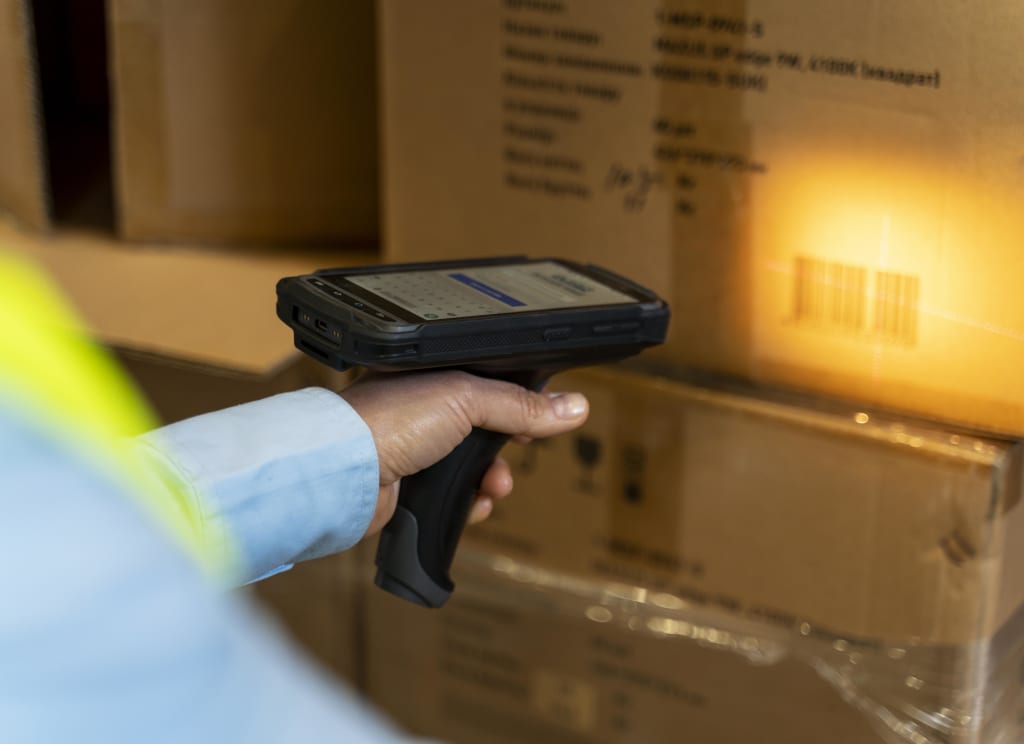
Radio frequency identification technology provides practical benefits across many industries. A radio transponder produces a signal using radio waves, and the radio receiver picks up that signal. The versatility of RFID technology makes it ideally suited to many steps throughout the supply chain process. From raw material management to putting the finished product into customers’ hands, RFID in supply chain management solves many challenges.
RFID in supply chain involves using tags, hardware, and software. A complete solution has individual parts, products, or containers receive tags, and then both automated and hand RFID readers relay vital data to the management software.
Enhancing production efficiency and strategy with RFID technology
RFID tags are typically associated with warehousing and distribution, but they can deliver just as much impact in the manufacturing process. During production, RFID tags provide valuable real-time data during multi-stage processes. These tags automate tracking as parts and components move between process steps. Manufacturers can always know the state of your factory floor in terms of the quantity and rate of products moving through each production stage. This allows for real-time KPIs that provide better decision-making on the factory floor. Data accumulated over time enables optimization and strategy development and can shift leaders and operators to manage operations more effectively. In June 2022, Avery Dennison Corporation launched a dual-frequency range of RFID inlays, which provides combined NFC and RAIN RFID functionality for cost-effective item-level tagging in a slimmed-down form factor. The new AD Slim DF EM4425 tag is designed for logistics, medical, and industrial use cases while also offering customer engagement features.
Revolutionizing warehouse operations and security
RFID technology provides an excellent solution for warehouse and distribution challenges. Using hardware such as RFID portals can fully automate asset tracking, ensuring accuracy and eliminating the need for hand scanning. The producers get to know where the inventory stands with an accurate accounting of part, component, and product movement within the warehouse and to other facilities. They ensure that containers always go where they’re supposed to with outbound reads. In February 2022, Identiv, Inc. comprises a portfolio of near field communication (NFC)-enabled status detection tags for advanced IoT security. Identiv’s range of NFC tags is among the first available with NXP NTAG Semiconductors 22x DNA chip devices that add unique capabilities for advanced anti-counterfeiting, new-to-market tamper detection, and battery less condition sensing.
RFID tags integrate seamlessly with warehouse management software to provide an intuitive and effective solution. They always know where specific packages are and maintain a validatable history of all lot information and distribution steps. According to Allied Market Research, the growing demand for RFID products in retail sectors is one of the major contributors to the expansion of the global RFID sensor market.
Supply chain management is a complicated undertaking that requires accuracy, efficiency, and consistency. Bar codes and other solutions still play an important part, but today RFID technology provides the highest standard of operational efficiency. This multipurpose technology provides many industries with product identification, location tracking, inventory management, and other vital benefits. See how the technology and methods behind RFID in the supply chain fulfill these roles.
Trending Reports in the Semiconductor and Electronics Industry:
The global RFID market was valued at $11.8 billion in 2021 and is projected to reach $31.5 billion by 2031, growing at a CAGR of 10.2% from 2022 to 2031.
About the Creator
Keep reading
More stories from Shubham Jamdade and writers in Futurism and other communities.
Innovations in Industrial Wearables Enhancing Worker Safety and Performance
Industrial wearables are devices that workers can wear in industrial environments to boost safety, productivity, and effectiveness. These wearables encompass smart glasses, helmets, gloves, and other devices that track the health and performance of the workers. They are designed to help monitor important signs, give real-time information, and even alert workers of potential hazards.
By Shubham Jamdadeabout a year ago in Futurism
Alternative Fuels Market Insights: USD 688.2 Billion by 2034
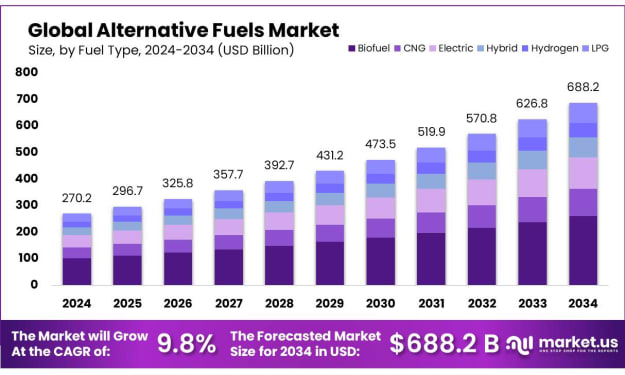
Overview The Global Alternative Fuels Market is on a strong growth trajectory, projected to expand from USD 270.2 billion in 2024 to USD 688.2 billion by 2034, representing a compound annual growth rate of 9.8% over the forecast period. North America currently leads the market, accounting for a 43.2% share of global revenue in 2024.
By Hayden Kulas5 days ago in Futurism
Ecotourism Market: Rising Environmental Consciousness Among Travelers & Industry Growth Ahead
According to IMARC Group's latest research publication, global ecotourism market size reached USD 219.81 Billion in 2024. Looking forward, IMARC Group expects the market to reach USD 648.65 Billion by 2033, exhibiting a growth rate of 11.43% during 2025-2033.
By sujeet. imarcgroupabout 20 hours ago in Futurism



Comments
There are no comments for this story
Be the first to respond and start the conversation.