
The Power and Purpose of Greenery
A Deep Dive into the Benefits of Plants, Parks, and Green Environments
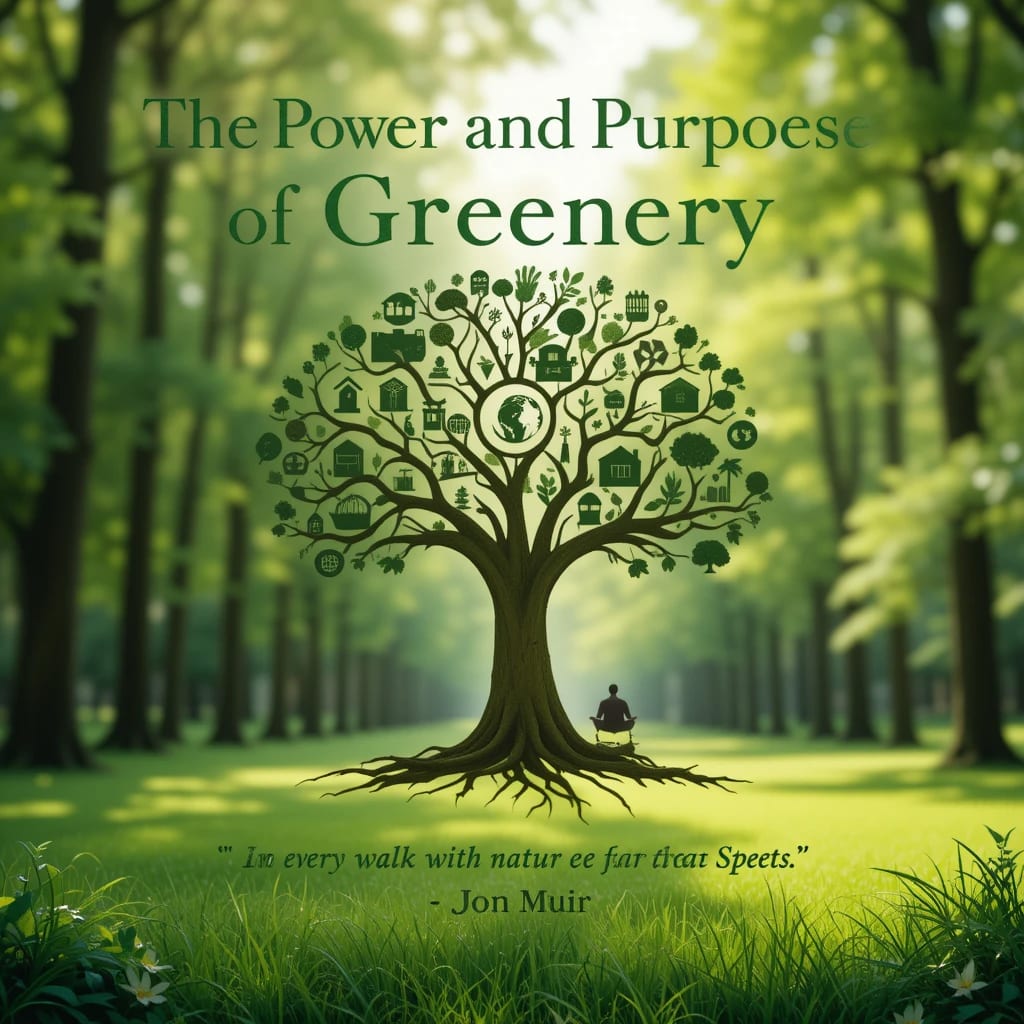
In an age defined by rapid urbanization, technological advancement, and environmental stress, greenery stands as a quiet but powerful force for positive change. Greenery—comprising trees, plants, gardens, forests, and green spaces—plays an essential role in maintaining the balance of our ecosystems while enriching human lives on multiple levels. From cleaning the air to boosting mental well-being and creating stronger communities, the presence of green spaces is more than just aesthetic—it's a necessity.
Environmental Benefits
Greenery is the lungs of our planet. Trees and plants absorb carbon dioxide and release oxygen, a process vital to life. In urban areas plagued by pollution, green spaces act as natural air filters, trapping dust, smoke, and harmful pollutants. This process not only improves air quality but also reduces the urban heat island effect, where cities become significantly warmer than their surrounding areas due to concrete and asphalt absorbing heat.
Moreover, greenery plays a critical role in biodiversity. Parks, gardens, and forests serve as habitats for countless species of birds, insects, and small animals. By preserving and expanding green spaces, we provide shelter and food sources for these organisms, supporting a more balanced and healthy ecosystem. In addition, trees prevent soil erosion, enhance groundwater recharge, and reduce the risk of natural disasters such as floods and landslides.
Health and Psychological Well-being
The link between greenery and human health is well-documented. Numerous studies show that spending time in green environments lowers stress levels, reduces anxiety, and improves mood. Nature offers a kind of healing that is both simple and profound. The presence of trees and plants has been shown to lower blood pressure and heart rate, offering a natural antidote to the stresses of modern life.
Green spaces also encourage physical activity. Parks and trails invite walking, jogging, biking, and outdoor sports, helping people maintain healthy lifestyles. Access to greenery has even been linked to lower rates of obesity and chronic diseases. Hospitals with views of nature or healing gardens report faster recovery times in patients, showcasing the therapeutic effects of greenery.
For children, access to green environments is especially critical. It improves concentration, supports cognitive development, and reduces symptoms of attention deficit disorders. Simply put, greenery nurtures not just the body, but the mind and soul.
Social and Community Benefits
Beyond individual health, greenery has a profound social impact. Public parks, community gardens, and green plazas become gathering places where people of all ages and backgrounds can connect. These spaces foster a sense of belonging and encourage positive social interaction, which is vital in combating urban loneliness and isolation.
Green spaces can also enhance community safety. Neighborhoods with well-maintained parks and trees tend to experience lower crime rates. This may be due to increased foot traffic and community engagement, which create a sense of shared ownership and vigilance.
Furthermore, greenery adds economic value to neighborhoods. Properties near parks and tree-lined streets often have higher market values. Urban greenery can attract tourists, support local businesses, and reduce municipal expenses by improving air and water quality naturally, which cuts down on costly infrastructure needs.
Greenery in Urban Planning
Recognizing the multifaceted benefits of greenery, many cities around the world are integrating nature into urban planning. Concepts like green roofs, vertical gardens, and urban forests are transforming how we view city landscapes. Cities like Singapore, known as the “City in a Garden,” are leading examples of how urban greenery can be harmoniously woven into the built environment.
However, access to green spaces is not always equitable. Low-income communities often suffer from a lack of trees and parks, resulting in poorer health outcomes and fewer recreational opportunities. Addressing this disparity is essential to ensuring that the benefits of greenery are shared by all members of society.
A Call to Action
In the face of climate change, mental health crises, and increasing urban density, the need to preserve and expand greenery has never been more urgent. Individuals can contribute by planting trees, supporting community gardens, or simply choosing to spend more time in nature. Schools and businesses can incorporate greenery into their premises to enhance learning and productivity. Governments and city planners must prioritize green infrastructure, not as an afterthought, but as a foundation for healthy, resilient communities.
Greenery is not a luxury—it is a lifeline. It sustains our planet, uplifts our spirits, and brings people together. As we look toward a more sustainable and inclusive future, we must recognize and harness the power and purpose of greenery in every aspect of life.
About the Creator
Nature’s Shield: The Importance of Greenery in Our Lives
In an era of rising urbanization, climate instability, and growing health concerns, one of the simplest yet most powerful protectors of life remains often overlooked: greenery. From dense forests and community parks to rooftop gardens and roadside trees, green spaces offer a natural shield that supports physical well-being, balances ecosystems, and fosters social harmony. The importance of greenery in our lives goes far beyond aesthetics—it is, quite literally, nature’s shield, safeguarding our present and fortifying our future.
By Ayan Ali8 months ago in Motivation
About Binding Prometheus
I want to start actively advocating on behalf of my own work, and the most valuable part of my canon is, without a doubt, Binding Prometheus, the play I have been working on since 2019 and only finished in 2023 as part of my MA. The play itself is an amalgamation of a million different inspirations. On one end, it evokes the Ancient Greek myth-play, deriving its own title from the earliest extant work of Western drama we have, Aeschylus’s Prometheus Bound. On the other end, it borrows significantly from the sci-fi bulwarks from over the years, namely Mary Shelley’s Frankenstein and Karel Capek’s Rossum’s Universal Robots. The play could be an episode of Black Mirror, I fear. I don’t know. I’ve only ever seen one episode of Black Mirror.
By Steven Christopher McKnight20 days ago in Futurism
Pharmaceutical Packaging Market: Advanced Packaging Formats & Growth Forecast
Rising pharmaceutical production, expanding generic drug adoption, and increasing demand for biologics are driving packaging needs. Stricter regulatory requirements for safety, traceability, and anti-counterfeiting are accelerating innovation. According to IMARC Group's latest research publication, global pharmaceutical packaging market size reached USD 147.8 Billion in 2024. Looking forward, IMARC Group expects the market to reach USD 302.5 Billion by 2033, exhibiting a growth rate (CAGR) of 8.2% during 2025-2033.
By sujeet. imarcgroupa day ago in Futurism
Smart phones, Humans and Aliens.
WARNING. I will be tapping into one of your favorite creative tensions: The absurdity of humans worshipping their glowing rectangles as if they were tiny oracles. There’s something deliciously poetic about that contradiction, and it lends itself beautifully to an instructive proviso.
By Novel Allen5 days ago in Poets


Comments
There are no comments for this story
Be the first to respond and start the conversation.