
The Marvel of Self-Healing Materials Technology
How Self-Healing Materials Could Revolutionize Everything!

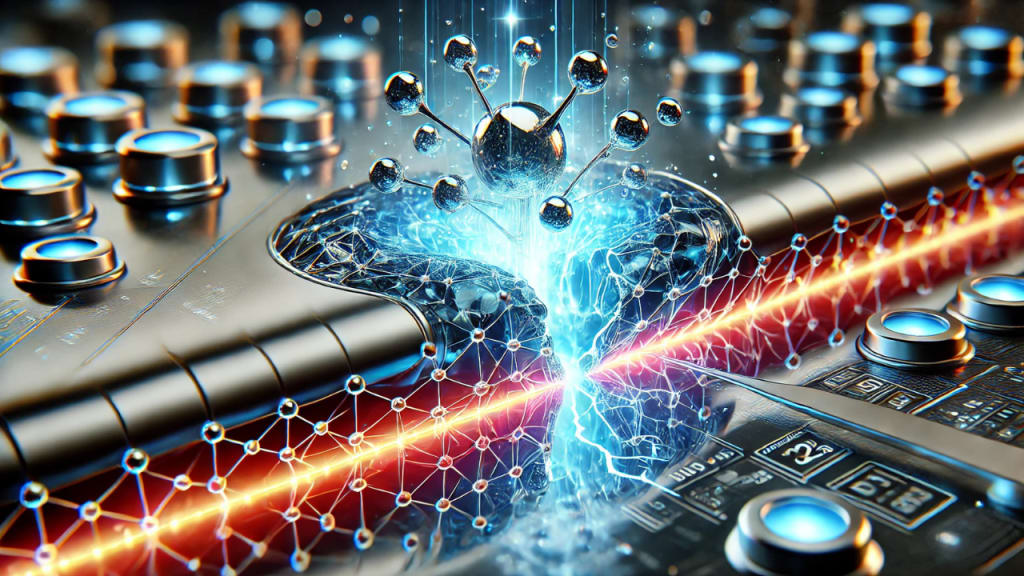
Imagine a world where cracks in your smartphone screen, chips in your car’s paint, or damage to a bridge can repair themselves without human intervention. It sounds like something out of a sci-fi movie, but thanks to self-healing materials technology, this futuristic vision is becoming a reality. These materials, inspired by nature’s ability to heal wounds, are reshaping industries and paving the way for smarter, more sustainable products.
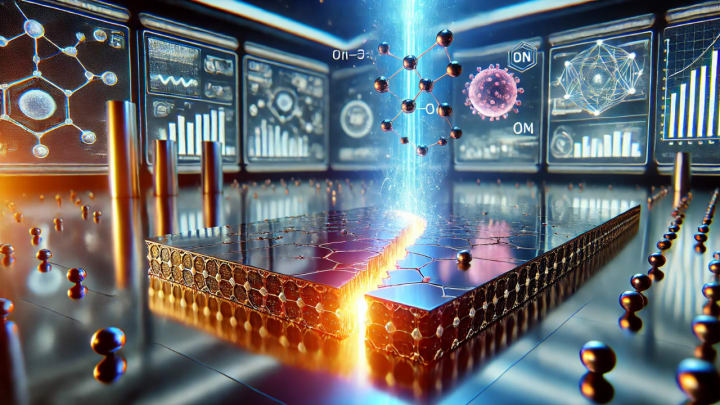
What Are Self-Healing Materials?
Self-healing materials are engineered to repair themselves after sustaining damage. Just as human skin can heal a cut, these materials use built-in mechanisms to restore their original properties and functionality. They can be found in polymers, metals, ceramics, and even concrete, with applications spanning from consumer electronics to aerospace engineering.
The concept hinges on innovative chemistry and physics. These materials contain microcapsules, vascular networks, or dynamic bonds that activate upon damage. When a crack or scratch occurs, the material responds by filling the gap, effectively "healing" itself.
How Do Self-Healing Materials Work?
The magic of self-healing materials lies in their ability to detect and respond to damage autonomously. Here are the primary mechanisms at play:
1. Microcapsule-Based Healing
These materials embed tiny capsules filled with healing agents. When the material cracks, the capsules rupture, releasing the agents, which then react with the surrounding material to seal the damage.
2. Intrinsic Healing with Dynamic Bonds
Some polymers are designed with reversible chemical bonds. When damaged, these bonds can re-form, restoring the material’s structure and integrity.
3. Vascular Networks
Inspired by biological systems, these materials contain interconnected channels filled with healing agents. When a crack occurs, the agents flow to the damaged area and solidify.
4. Shape Memory Alloys and Thermal Activation
Certain metals and polymers can "remember" their original shape. When heated, they return to their undamaged state, effectively closing cracks or scratches.
Applications of Self-Healing Materials
The versatility of self-healing materials has led to groundbreaking advancements across multiple industries:
- Automotive: Self-healing paints and coatings keep vehicles looking pristine while reducing maintenance costs.
- Construction: Self-healing concrete repairs cracks caused by wear and tear, prolonging the lifespan of infrastructure.
- Aerospace: These materials ensure the safety and durability of aircraft by addressing microfractures that could lead to catastrophic failures.
- Electronics: Smartphone screens and wearables can now heal scratches, offering durability and reducing e-waste.
- Healthcare: Self-healing hydrogels are being explored for wound dressings and implantable devices, providing innovative solutions for medical care.
Self-Healing Material
Challenges in Self-Healing Materials Technology
Despite their immense promise, self-healing materials face several hurdles:
- Cost: Manufacturing these advanced materials is still expensive, limiting their widespread adoption.
- Healing Speed: While impressive, many materials require hours—or even days—to fully repair damage.
- Scalability: Producing these materials in large quantities without compromising quality is a significant challenge.
- Environmental Concerns: Some healing agents may be toxic or difficult to recycle, posing sustainability issues.
The Future of Self-Healing Materials
Researchers are continually pushing the boundaries of what self-healing materials can achieve. Future advancements may include materials that heal under extreme conditions, such as deep-sea environments or outer space. Efforts are also underway to make these materials more eco-friendly, using bio-based polymers and sustainable healing agents.
As self-healing materials become more affordable and efficient, their applications will expand further into everyday life, transforming industries and redefining how we interact with the objects around us.
Final Thoughts
Self-healing materials technology is more than just an exciting scientific breakthrough—it’s a glimpse into a future where durability and sustainability go hand in hand. From smarter electronics to longer-lasting infrastructure, these materials have the potential to revolutionize how we build, use, and maintain the world around us.
As we continue to innovate, one thing is clear: the ability to heal isn’t just for living organisms anymore. In the hands of modern science, even the materials we create can possess the extraordinary power to repair themselves, bridging the gap between nature and technology.
About the Creator
Keep reading
More stories from Marveline Merab and writers in Futurism and other communities.
Googles New AI Glasses Are The Future Of AI (Android XR Explained)
Google, in collaboration with Samsung and Qualcomm, has officially unveiled Android XR—a cutting-edge platform designed to revolutionize augmented reality (AR) and extended reality (XR). This marks a significant step towards integrating AI-powered tools into our daily lives.
By Marveline Merababout a year ago in Futurism
About Binding Prometheus
I want to start actively advocating on behalf of my own work, and the most valuable part of my canon is, without a doubt, Binding Prometheus, the play I have been working on since 2019 and only finished in 2023 as part of my MA. The play itself is an amalgamation of a million different inspirations. On one end, it evokes the Ancient Greek myth-play, deriving its own title from the earliest extant work of Western drama we have, Aeschylus’s Prometheus Bound. On the other end, it borrows significantly from the sci-fi bulwarks from over the years, namely Mary Shelley’s Frankenstein and Karel Capek’s Rossum’s Universal Robots. The play could be an episode of Black Mirror, I fear. I don’t know. I’ve only ever seen one episode of Black Mirror.
By Steven Christopher McKnight16 days ago in Futurism


Comments
There are no comments for this story
Be the first to respond and start the conversation.