
The Interstate Highway System: A History and a Legacy
The system has had a significant impact on the environment, the economy, and the way Americans live.

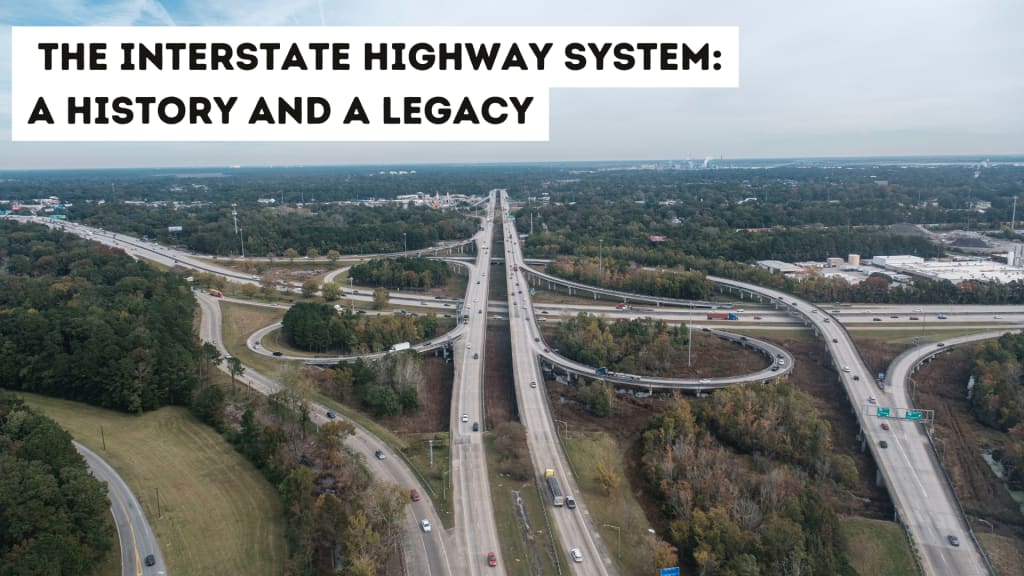
The Interstate Highway System is one of the most iconic and important infrastructure projects in American history. It is a network of over 47,000 miles of highways that connects every major city in the United States. The system was built in the 1950s and 1960s, and it has had a profound impact on the way Americans live, work, and travel.
The Interstate Highway System was created in response to a number of factors, including the growing popularity of the automobile, the need to improve national defense, and the desire to connect different parts of the country. The system was designed to be a high-speed, limited-access highway system that would allow for the safe and efficient movement of people and goods.
The construction of the Interstate Highway System was a massive undertaking. It required the cooperation of federal, state, and local governments, as well as the private sector. The system was built over a period of 15 years, and it cost over $25 billion.
The Interstate Highway System has had a profound impact on the United States. It has made it easier and faster for people to travel between different parts of the country. It has also helped to spur economic growth by making it easier for businesses to transport goods and services. The system has also had a significant impact on the environment. It has led to increased air pollution and noise pollution, and it has contributed to the decline of public transportation.
Despite its environmental impact, the Interstate Highway System is a vital part of the American infrastructure. It is a critical link between different parts of the country, and it plays a major role in the economy. The system is also a source of national pride. It is a symbol of America's ingenuity and its commitment to progress.
The Interstate Highway System is a complex and controversial topic. It has had a profound impact on the United States, both positive and negative. It is a system that is worth understanding, both its benefits and its drawbacks.
The Benefits of the Interstate Highway System
The Interstate Highway System has had a number of benefits for the United States. These benefits include:
Increased mobility: The system has made it easier and faster for people to travel between different parts of the country. This has led to increased economic growth and opportunities for people to live and work in different parts of the country.
Improved national defense: The system has made it easier for the military to move troops and equipment around the country. This has improved the nation's ability to defend itself in the event of a war or other national emergency.
Reduced traffic congestion: The system has helped to reduce traffic congestion in major cities. This has made it easier and less stressful for people to get around.
Increased safety: The system has helped to improve safety on the roads. This has been achieved through a number of factors, including the use of limited-access highways, improved signage, and stricter enforcement of traffic laws.
The Drawbacks of the Interstate Highway System
The Interstate Highway System has also had a number of drawbacks for the United States. These drawbacks include:
Increased air pollution: The system has led to increased air pollution. This is because cars and trucks emit pollutants into the air when they burn fuel.
Increased noise pollution: The system has led to increased noise pollution. This is because cars and trucks make noise when they drive on the roads.
Decline of public transportation: The system has contributed to the decline of public transportation. This is because people are more likely to drive their cars when they have access to a convenient highway system.
Increased sprawl: The system has contributed to increased sprawl. This is because people are more likely to live in suburbs when they have access to a convenient highway system.
The Future of the Interstate Highway System
The Interstate Highway System is a vital part of the American infrastructure. It is a system that is worth understanding, both its benefits and its drawbacks. The system is facing a number of challenges, including increased air pollution, noise pollution, and sprawl. These challenges need to be addressed in order to ensure that the system remains a vital part of the American infrastructure.
Some possible solutions to these challenges include:
Investing in public transportation: This would help to reduce traffic congestion and air pollution.
Promoting alternative modes of transportation, such as walking and biking: This would help to reduce traffic congestion and improve public health.
Making the system more efficient: This could be done by improving traffic flow and reducing congestion.
Investing in new technologies: This could help to reduce air pollution and noise pollution.
The Interstate Highway System is a complex and important system. It is a system that is worth understanding and investing in.
About the Creator
Plantera Digital Media
welcome to my page here i share
- Stories
- Interesting facts about the world around us
- Thought-provoking theories about the nature of reality
- Useful information that can help people in their lives
Keep reading
More stories from Plantera Digital Media and writers in Futurism and other communities.
Space-Saving Double-Decker Airplane Seat Showcased in Germany: Revolutionizing Comfort and Efficiency
Introduction In a remarkable display of innovation and design, Germany has unveiled a groundbreaking space-saving double-decker airplane seat. This new seating arrangement promises to revolutionize the aviation industry by optimizing comfort and efficiency. As travelers increasingly seek enhanced experiences during long-haul flights, this remarkable innovation comes as a breath of fresh air. In this article, we will explore the key features and potential benefits of this unique double-decker seat.
By Plantera Digital Media 3 years ago in Futurism
Australia Luxury Fashion Market: Rising Affluent Demand, Digital & Retail Expansion & Sustainability Trends
According to IMARC Group, the Australia luxury fashion market reached USD 5.2 Billion in 2025 and is projected to grow to USD 6.8 Billion by 2034, exhibiting a compound annual growth rate (CAGR) of 2.95% during 2026–2034. The steady expansion of the market reflects rising disposable incomes, growing affluent consumer segments, and evolving lifestyle aspirations across Australia. Luxury apparel, footwear, handbags, and accessories are increasingly viewed as lifestyle investments rather than occasional indulgences. As digital retail channels expand and sustainability becomes central to brand positioning, Australia luxury fashion market share continues to evolve within a competitive global landscape.
By Kevin Cooper3 days ago in Futurism
Australia Home Improvement Services Market: Renovation Demand, Consumer Spending & Service Innovation
According to IMARC Group, the Australia home improvement services market reached USD 10.8 Billion in 2025 and is projected to grow to USD 15.3 Billion by 2034, exhibiting a compound annual growth rate (CAGR) of 3.82% during 2026–2034. The market’s steady expansion reflects sustained renovation activity and evolving housing preferences across Australia. Rising property values, higher homeownership rates, and increasing disposable incomes are encouraging homeowners to invest in remodeling, maintenance, and aesthetic upgrades. Government incentives supporting energy-efficient retrofits and sustainable housing improvements further reinforce the Australia home improvement services market share, positioning the sector as a resilient component of the broader construction and services ecosystem.
By Shrestha Roy7 days ago in Futurism




Comments
There are no comments for this story
Be the first to respond and start the conversation.