
The Impact of Robotics in Surgery: How Precision and Efficiency are Revolutionizing Medical Procedures
The Benefits and Drawbacks of Robotic Surgery in Healthcare

Introduction
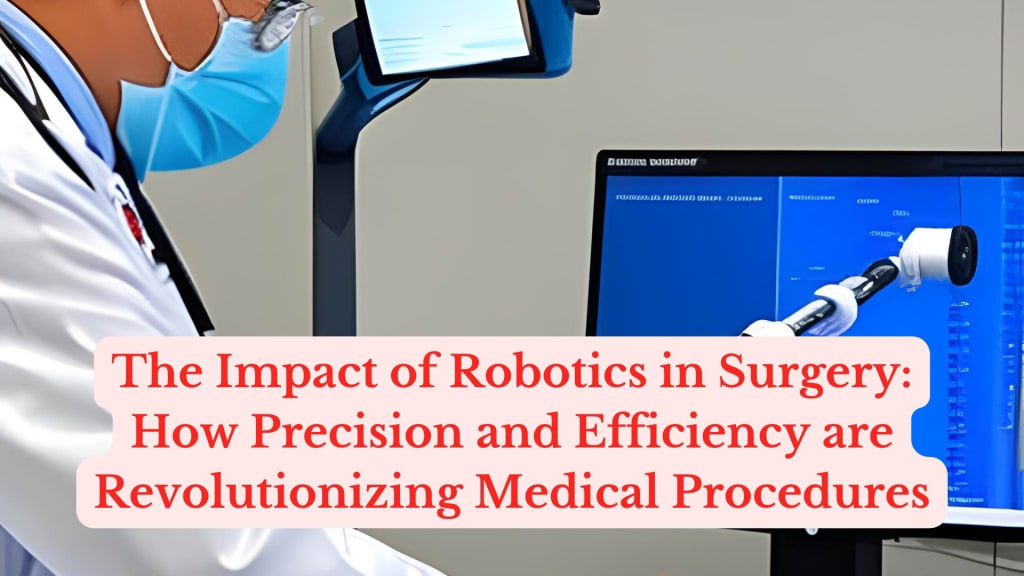
Robotic surgery is a relatively new field that has revolutionized surgical procedures. In robotic surgery, a surgeon uses a computer console to control robotic arms that perform the surgical procedure. The robotic arms have tiny instruments attached to them that can move with a range of motion beyond the human hand, allowing for greater precision and dexterity. This technology is rapidly evolving and becoming more widespread in the healthcare industry. In this blog, we will explore the benefits and drawbacks of robotic surgery and the impact it is having on medical procedures.
Benefits of Robotic Surgery:
One of the primary benefits of robotic surgery is the increased precision it offers. The robotic arms can perform movements with greater accuracy and stability than a human hand, allowing for more precise incisions and suturing. This can lead to better surgical outcomes, reduced risk of complications, and faster recovery times for patients. For example, the precision offered by robotic surgery can be especially useful in delicate procedures, such as microsurgery or neurosurgery.
Robotic surgery is also less invasive than traditional open surgery, leading to reduced blood loss, less pain, and shorter hospital stays. The robot's small incisions can be made with greater precision, leading to less tissue damage and scarring. Additionally, the reduced invasiveness of robotic surgery can lead to faster recovery times and less postoperative pain. For example, patients undergoing robotic prostate surgery may experience less blood loss, shorter hospital stays, and faster return to normal activities than those undergoing traditional open surgery.
Another benefit of robotic surgery is the reduced risk of infection. Since the surgeon controls the robotic arms from a console, they do not need to be in direct contact with the patient, reducing the risk of contamination. Additionally, the robotic instruments can be sterilized more easily than traditional surgical instruments. This can lead to reduced rates of surgical site infections, which can be a significant source of morbidity and mortality in surgical patients.
Drawbacks of Robotic Surgery:
One of the major drawbacks of robotic surgery is the cost. Robotic surgery systems can be expensive to acquire and maintain, which can lead to higher costs for patients and healthcare providers. The cost of robotic surgery is often passed on to patients, making the technology less accessible to lower-income individuals. Additionally, the cost of maintenance and repair of robotic systems can be high, making it challenging for some healthcare facilities to offer this technology.
Another concern is the learning curve for surgeons. Since robotic surgery is a relatively new field, surgeons need to undergo specialized training to learn how to use the technology effectively. This training can be time-consuming and expensive, and not all surgeons may have access to it. Additionally, there is a risk of technical malfunctions with the robotic system, which could potentially lead to surgical errors. For example, a malfunctioning robotic arm could cause unintended damage during a procedure.
Conclusion:
In conclusion, robotic surgery has the potential to improve surgical outcomes, reduce recovery times, and decrease the risk of infection. However, there are also potential drawbacks, including the cost of the technology and the need for specialized training. As with any medical technology, it is important to carefully weigh the benefits and risks before deciding to use robotic surgery. Robotic surgery is rapidly evolving, and we can expect to see even more advanced technologies in the future. However, it is important to continue to evaluate the impact of robotic surgery on patient outcomes and access to care. By doing so, we can ensure that this technology is used to its fullest potential in improving patient care and outcomes.
About the Creator
GelStories
I am Melfred and I am passionate, and I like reading and writing. In this page I am going to write many stories covering many interesting subjects such as lifestyle, business, investments, school, science, cuisine, culture, etc. Welcome!
Keep reading
More stories from GelStories and writers in Futurism and other communities.
5G Unleashed: How the Next Generation of Wireless Networks Will Revolutionize Our World
The introduction of 5G technology marks a significant leap forward in the world of wireless communication. This next-generation network promises faster download and upload speeds, more reliable connectivity, and the ability to support a wide range of emerging technologies. In this article, we explore the key features of 5G, its potential benefits, and the challenges that lie ahead.
By GelStories3 years ago in Futurism
Offshore Mooring Systems Market: Deepwater Exploration Growth, Marine Anchoring Solutions & Industry Growth Outlook
According to IMARC Group's latest research publication, global offshore mooring systems market size reached USD 1.76 Billion in 2025. Looking forward, IMARC Group expects the market to reach USD 2.43 Billion by 2034, exhibiting a growth rate (CAGR) of 3.47% during 2026-2034.
By sujeet. imarcgroup6 days ago in Futurism
eCommerce Payments Market to hit at USD 1,099.8 billion by 2035
The Global eCommerce Payments Market generated approximately USD 291.5 Billion in 2025 and is projected to grow from USD 332.9 Billion in 2026 to nearly USD 1,099.8 Billion by 2035, reflecting a CAGR of 14.20% during the forecast period. The expansion of online retail platforms, increasing smartphone penetration, and the rapid adoption of digital payment solutions are contributing significantly to market growth.
By Roberto Crum7 days ago in Futurism




Comments
There are no comments for this story
Be the first to respond and start the conversation.