
The Impact of Digital Currencies on Global Trade and Economic and Social Sectors.
The impact of digital currencies on global trade, economic and societal sectors
Title: Benefits of Digital Currencies in the World: Challenges and Future Prospects
Digital currencies are a new and innovative solution to the challenges facing global trade, and their impact extends to various economic and social sectors. In this article, we will discuss the concept of digital currencies and their benefits in the world, as well as the challenges they face and their future prospects.
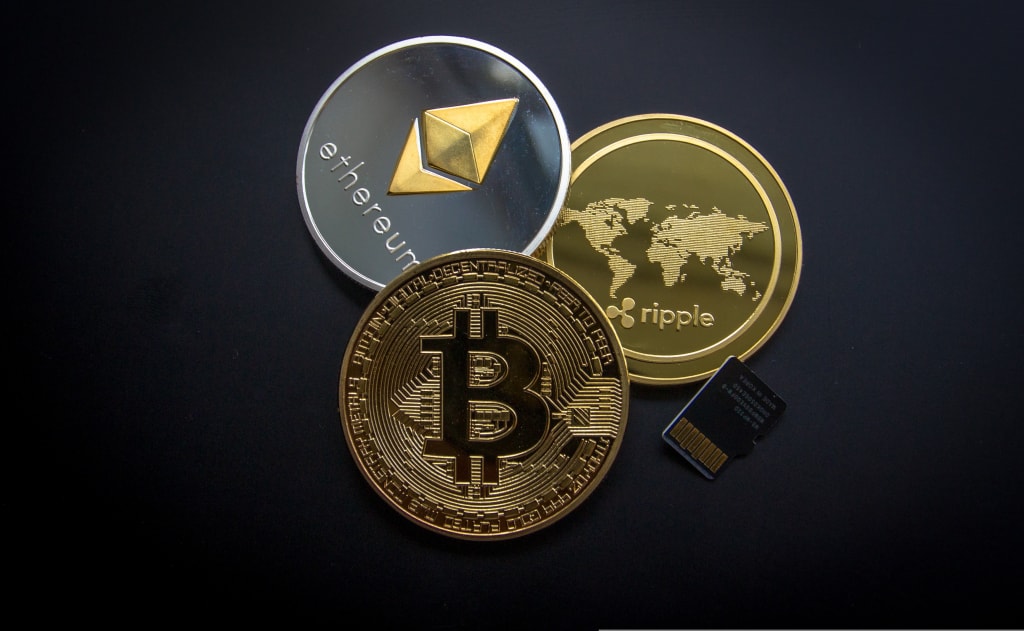
Digital currencies are virtual currencies that are issued and traded without any intermediary or financial organization controlling them. They rely heavily on modern technologies such as the internet, and Bitcoin and Ethereum are among the most famous digital currencies.
One of the most significant advantages of digital currencies is their ability to provide fast and low-cost money transfer processes. Transactions can be carried out quickly without the need for traditional banks, and they offer secure and efficient payment options for e-commerce and online stores. This can help to increase financial inclusion and accessibility, particularly for individuals and businesses in developing countries that may not have access to traditional banking services.
Another advantage of digital currencies is their transparency and lack of susceptibility to counterfeiting. All transactions are recorded in a public and open ledger called the blockchain, which is constantly updated. This public record makes it difficult to cheat in financial transactions, and it also provides an extra layer of security for users.
Digital currencies are also an effective hedge against inflation and global economic fluctuations, as they are not affected by inflation and monetary fluctuations that affect traditional currencies. This makes them an attractive investment option for individuals and businesses looking to diversify their portfolios and protect themselves against economic uncertainty.
In addition, digital currencies can be useful for people who do not have bank accounts or credit cards, and for people living in areas where traditional banking services are not available. Digital currencies can provide financial services to those who are unbanked or underbanked, which can help to increase financial inclusion and reduce poverty.
Digital currencies also have the potential to make international trade more efficient and faster. With digital currencies, money can be transferred between different countries quickly and at a low cost. This can help to reduce transaction costs and increase the speed and efficiency of cross-border trade.
Despite the many advantages of digital currencies, they also face several challenges and risks. One significant risk is the lack of legal protection for users and investors. Digital currencies are not yet regulated in many countries, and this can make it difficult for users to seek legal recourse if something goes wrong.
Another risk is the weak control over the true value of digital currencies. The value of digital currencies can fluctuate rapidly, and this can make it difficult for investors to determine their true value. In addition, digital currencies are vulnerable to electronic attacks and hacking, which can compromise the security of transactions.
Digital currencies also face a problem of energy dependence. Mining digital currencies requires large amounts of electrical energy, which leads to an increase in carbon emissions and their negative impact on the environment.
Despite these challenges and risks, the benefits of digital currencies far outweigh the risks and challenges they face. Digital currencies have the potential to transform the global financial system and promote greater financial inclusion and accessibility.
Looking to the future, digital currencies will continue to evolve and innovate, with new technologies and applications emerging. Governments and financial organizations around the world are increasingly recognizing the potential of digital currencies, and there is growing interest in developing regulatory frameworks to support their use.
In conclusion, digital currencies offer a new and innovative solution to the challenges facing global trade, and represent an important step towards improving the global financial system and achieving global economic and social integration. While they face several challenges and risks, the potential benefits of digital currencies make them a promising option for individuals and businesses looking to increase financial inclusion, accessibility, and efficiency.
About the Creator
Reader insights
Good effort
You have potential. Keep practicing and don’t give up!
Top insight
Easy to read and follow
Well-structured & engaging content
Keep reading
More stories from Kenantaleaa and writers in Futurism and other communities.
Understanding Bitcoin and Ethereum: The Encrypted Future of Digital Currency
Over the past decade, cryptocurrencies have become an increasingly popular alternative to traditional forms of investment and payment. Two of the most well-known cryptocurrencies are Bitcoin and Ethereum. In this article, we will explore the histories of Bitcoin and Ethereum, their current values, and the impact they have had on the world of digital finance.
By Kenantaleaa3 years ago in Education
About Binding Prometheus
I want to start actively advocating on behalf of my own work, and the most valuable part of my canon is, without a doubt, Binding Prometheus, the play I have been working on since 2019 and only finished in 2023 as part of my MA. The play itself is an amalgamation of a million different inspirations. On one end, it evokes the Ancient Greek myth-play, deriving its own title from the earliest extant work of Western drama we have, Aeschylus’s Prometheus Bound. On the other end, it borrows significantly from the sci-fi bulwarks from over the years, namely Mary Shelley’s Frankenstein and Karel Capek’s Rossum’s Universal Robots. The play could be an episode of Black Mirror, I fear. I don’t know. I’ve only ever seen one episode of Black Mirror.
By Steven Christopher McKnight24 days ago in Futurism




Comments (1)
❤️