
The Hidden Architects of History: Unveiling the Ancient Secrets
How forgotten gods, hidden texts, and suppressed truths shaped our collective mythology, and what they reveal about our modern beliefs.
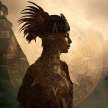
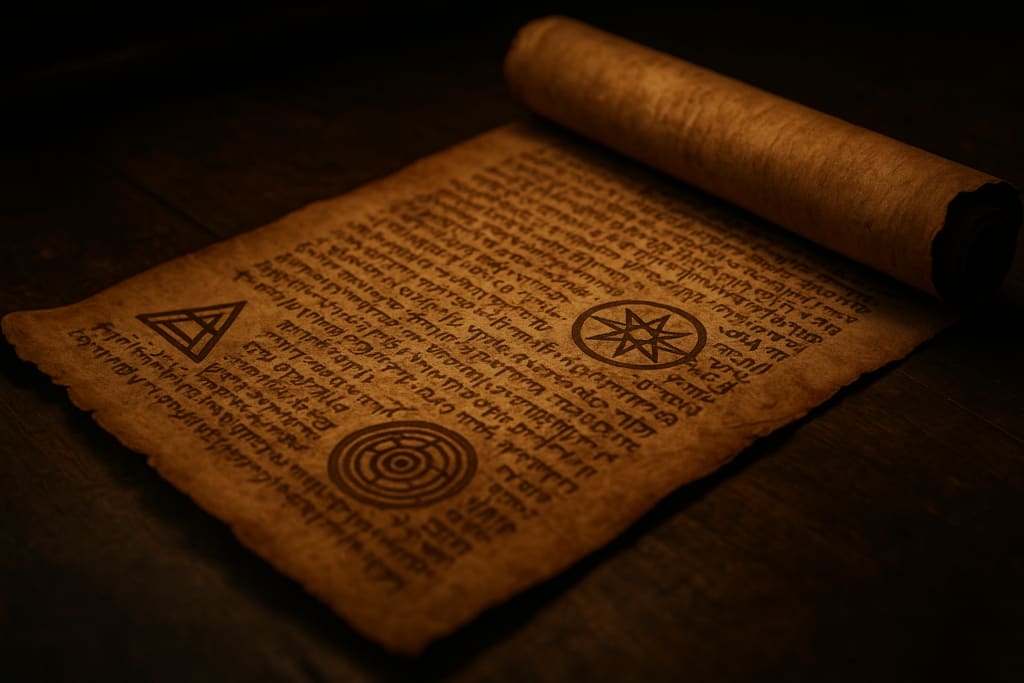
A Glimpse Behind the Curtain of History
Every civilization leaves behind a trail of fragments, stories carved in stone, inked on papyrus, or whispered through generations. Yet the deeper we look, the more we find that history as we know it is incomplete. Entire chapters seem hidden, veiled by time or deliberately erased.
What if the gods of Sumer were not distant myths, but beings who shaped the earliest foundations of our world? What if Yahweh was once a storm-god among many, later recast as the sole ruler of heaven and earth? And what if the Gnostics were right in calling him a false creator, one among a council of powers who fought for dominion over humanity?
These are not idle questions. They are invitations to rediscover a history that was never meant to remain secret forever.
Why Secret History Still Captivates
The archaeological allure: Every discovery, whether a fragment from Ugarit or a scroll from Nag Hammadi, peels back another layer. These relics do not simply support the official story, they often contradict it.
Rewriting the narrative: To explore secret history is not to embrace conspiracy, but to listen to forgotten voices. Ancient myths, when read with fresh eyes, suggest that civilizations did not rise in isolation. They were influenced, perhaps guided, by forces our modern worldview struggles to categorize.
Modern echoes: Today’s spiritual seekers and history enthusiasts return to these mysteries because they see parallels to our own disillusionment with institutions. When faith feels hollow and history feels curated, we turn back to the raw sources, searching for truth in fragments.
The Ancient Puzzle Pieces
The Sumerians spoke of Enki, the wise benefactor of humanity, and Enlil, the stern enforcer who brought floods and demanded obedience. The Hebrews remembered Yahweh as their only god, yet echoes of older traditions reveal striking similarities. The Gnostics preserved another voice, calling this same god a demiurge, powerful, but not ultimate.
Taken together, these pieces form a mosaic. They suggest a cosmic drama, a clash of powers that reshaped human destiny. Were these beings divine? Extraterrestrial? Or archetypes for natural forces we still barely understand? The answer may be all three.
Implications for Our Time
Why does this matter now? Because history is more than the past, it is the framework of belief. If our ancestors were taught to worship beings who were not what they seemed, then we too inherit a narrative that demands questioning.
Secret history offers a lens not just on ancient myths, but on our modern struggles with authority, faith, and meaning. To understand the hidden past is to loosen the grip of dogma and to reclaim the right to ask: Who are we really? And who, or what, has shaped our journey?
Closing Reflection
The curtains of history will never be fully lifted, but the fragments we have are enough to spark awakening. Perhaps the greatest secret is not what the gods were, but what humanity might become once we remember.
So I leave you with this: The next time you hear a story from scripture, a myth from antiquity, or a fragment in a museum case, ask yourself what part of the story has been silenced. The truth may lie not in what we were told, but in what was carefully left out.
If this exploration stirred your curiosity, share it with others who question official history. The search for truth is never solitary, it’s a collective journey into the shadows of time.
About the Creator
The Secret History Of The World
I have spent the last twenty years studying and learning about ancient history, religion, and mythology. I have a huge interest in this field and the paranormal. I do run a YouTube channel
Keep reading
More stories from The Secret History Of The World and writers in Futurism and other communities.
Volume 7: After the Sky Opens: Life in the First Days of Disclosure
Life in the First Days of Disclosure The moment humanity has waited for will not arrive with fanfare or fireworks. It will come with silence broken by a collective gasp, a shockwave of realization that spreads not from governments or generals, but from the people who look to the sky and understand that everything has changed. Disclosure will not be the end of a mystery; it will be the beginning of a reckoning. And what follows in the days, weeks, and months after will test the very soul of humanity.
By The Secret History Of The WorldExclusive • 7 months ago
Fluid Loss Additives Market Outlook: Drilling Efficiency Enhancement and Oilfield Services Growth Opportunities
According to IMARC Group's latest research publication, The global fluid loss additives market size was valued at USD 318.42 Million in 2025. Looking forward, IMARC Group estimates the market to reach USD 409.06 Million by 2034, exhibiting a CAGR of 2.82% from 2026-2034.
By James Whitman6 days ago in Futurism
Australia Textile & Apparel Market: Sustainable Fashion, E-commerce Growth & Fabric Innovation
According to IMARC Group, the Australia textile and apparel market reached a value of USD 30.3 Billion in 2025 and is projected to reach USD 45.7 Billion by 2034, growing at a compound annual growth rate (CAGR) of 4.66% during 2026–2034. The market is evolving as consumer preferences increasingly favor sustainable fashion, innovative fabric technologies and digitally driven retail experiences. Rising disposable incomes and changing lifestyle trends are encouraging consumers to spend more on clothing, footwear and fashion accessories. At the same time, growing awareness about environmental sustainability is driving demand for eco-friendly textiles, recycled fabrics and ethically produced garments. The rapid expansion of e-commerce platforms and online fashion marketplaces is also transforming how consumers shop for apparel, enabling brands to reach wider audiences across Australia. As fashion companies adopt new production technologies and sustainable manufacturing practices, the textile and apparel sector is undergoing significant transformation.
By Kevin Cooper5 days ago in Futurism
The Forsyth House Fire
Since 1851, Forsyth House has stood on the corner of Union Street and Gordon Street in the heart of Glasgow. Its iconic, or was... because on Sunday 8th of March, 2026, a fire broke out in a small, seemingly un-named shop in the building and tore all that history down. As I write, the rubble is still unsettled and the street is still blocked off. Central Station is quiet on the upper level, and around 30 small businesses have quite literally gone up in smoke.
By S. A. Crawford2 days ago in The Swamp




Comments
There are no comments for this story
Be the first to respond and start the conversation.