
The Game-Changing Impact of Health-Focused Wearables on Healthcare and Physical Activity
Wearables That Put an Emphasis on Your Health: From Health Monitors to Fitness Trackers

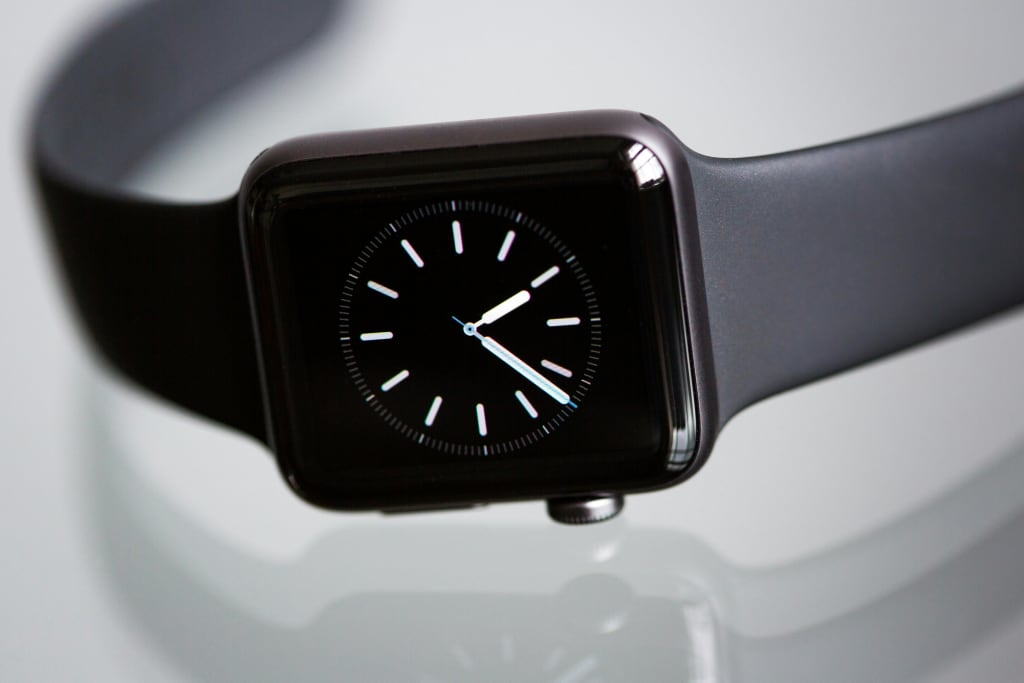
Introduction
Passive health monitoring is no more in style. Millions of people are now enabling wearable wellness technology—smartwatches, fitness trackers, even smart rings—to instantly take charge of their health. Simple step counters have developed into complex tools able to monitor heart rate variability, blood oxygen levels, sleep quality, even early disease signals.
By 2025, over 30% of adults worldwide use a health-orientated wearable, driven by demand for tailored exercise coaching, chronic illness management, and preventative care. This tutorial will look at how wearables are changing our approach to health, the ethical issues they raise, and how to pick the correct gadget for your needs.
The Evolution of Wearable Wellness
From Pedometers to Artificial Intelligence-Powered Health Guardians
Mechanical pedometers—which recorded steps via a swinging arm mechanism—started the trip in the 1960s.
By the 2000s, these awkward gadgets had become digital trackers; nevertheless, the true innovation occurred in 2009 when Fitbit introduced its first activity tracker, therefore standardising step counting as a fitness indicator.
When the Apple Watch made its market debut in 2015, its heart rate tracking and emergency SOS functions prepared wearables to transition from fitness tools to health guardians.
Like the Fitbit Charge 6 and Garmin Venu 3, today's products use artificial intelligence to examine data trends and provide useful insights.
For instance, the Oura Ring tracks body temperature swings to forecast disease, while the Withings ScanWatch uses blood oxygen saturation (SpO₂) monitoring to identify sleep apnoea.
Fitbit first makes step monitoring popular in 2009.
The Apple Watch brings heart rate tracking in 2015.
The FDA approves the first ECG app designed to find atrial fibrillation (AFib) in 2020.
Wearables linked with telehealth systems provide real-time doctor consultations in 2023.
How Wearables Are Revolutionising Health and Fitness
1. Tailored Exercise Programs
Fitness plans that work for everyone have long since disappeared. Whoop 4.0 and similar wearables use parameters for recovery, HRV, and sleep quality to suggest specific exercises.
For example, Garmin's Body Battery score tells consumers to relax if their stress is high, therefore lowering their burnout risk.
Wearables are integrating fitness and healthcare early disease detection. Affecting 1 in 50 persons, AFib is a disorder whose abnormal heart rhythms the Apple Watch Series 9 may identify.
Likewise, Fitbit's Sleep Score points up trends linked to sleep apnoea, which encourages consumers to consult a doctor.
While the Amazon Halo analyses voice tone to identify mood changes, devices like the Fitbit Sense 2 measure stress using electrodermal activity (EDA).
After six weeks, users of stress-tracking wristbands revealed **23% decreased anxiety levels, according to a 2023 study in JMIR Mental Health.

Image Alt Text: Woman checking stress levels on a smartwatch.
Data-Driven Health Revolution
Why Wearables Work
- Accountability: In a 2022 study published in the Journal of Medical Internet Research, 67% of wearable users reported more regular exercise.
- Wellness Precautions: Stanford Medicine noted a 41% decrease in hospitalisations for cardiac patients utilising wearables to identify early anomalies.
Study on Diabetes Management
The Dexcom G7 is a continuous glucose monitor (CGM) that syncs with smartwatches to alert diabetics when their blood sugar levels increase to dangerous levels.
In 2023, consumers can save an average of $4,200 per year on healthcare costs by reducing emergency room visits by 30%.
The Future of Wearable Wellness Devices
1. Non-invasive Blood Pressure Monitors: Businesses such as Valencell are developing optical sensors to monitor blood pressure without the need for uncomfortable arm straps.
Results from preliminary testing show a 95% accuracy compared to more traditional measuring tools.
2. Health of Women During Pregnancy: The Bellabeat Ivy monitors the health of pregnant women by recording their menstrual cycles, fertility windows, and other vital signs, such as the heart rate of the foetus.
The Owlet's Smart Sock monitors the oxygen levels of babies, giving their parents a sense of security.
3. Technology that extends life: Siren Socks detects diabetic foot inflammation before ulcers develop, and Movano Health and similar firms use gait analysis to predict the likelihood of osteoporosis.

Ethics and the Difficulties Faced
1. Threats to Data Privacy
The lack of encryption on 58% of wearables leaves users' private medical information vulnerable to hackers, according to a survey by NordVPN in 2023.
For example, if someone were to hack into your Fitbit account, it could reveal your whereabouts, heart rate, and even your sleeping habits.
2. Relying excessively on technology
Accidental misreading of data and subsequent self-diagnosis of sickness is known as "cyberchondria," and it can be triggered by continuous health monitoring.
Do not rely on wearable data in place of doctor appointments, according to a Harvard Health study.
3. Accessibility
People with low incomes are unable to participate due to the high fees. The disparity in health care costs is becoming wider as basic wristbands like the Xiaomi Mi Band 8 retail for $50 and more sophisticated ones like the Apple Watch Ultra 2 cost more than $800.

Section 6: Choosing the Right Wearable for You
1. The Garmin Forerunner 965 offers fitness enthusiasts marathon training benchmarks and GPS accuracy.
2. The Apple Watch Series 9 has FDA-cleared ECG and fall detection features in it.
3. Tracking SpO₂ and sleep for less than $50, the Xiaomi Mi Band 8
Giving equipment with FDA clearance or CE certification top priority for medical-grade precision can help you.

Final Thought
Wearables are lifetimes, not devices. Gadgets democratise access to preventative information by combining fitness, healthcare, and artificial intelligence; therefore, they enable consumers to take ownership of their health.
However, we must resolve ethical issues, such as data privacy and access, to ensure fair rewards.
Expect wearables to interface with telemedicine systems, insurance policies, even supermarket applications (e.g., meal recommendations based on glucose readings) as technology develops.
Your wrist is the beginning of the future of wellness.
About the Creator
Yourd3glamour
All About the latest news on Technology linktr.ee/yourd3glamour
Keep reading
More stories from Yourd3glamour and writers in Futurism and other communities.
About Binding Prometheus
I want to start actively advocating on behalf of my own work, and the most valuable part of my canon is, without a doubt, Binding Prometheus, the play I have been working on since 2019 and only finished in 2023 as part of my MA. The play itself is an amalgamation of a million different inspirations. On one end, it evokes the Ancient Greek myth-play, deriving its own title from the earliest extant work of Western drama we have, Aeschylus’s Prometheus Bound. On the other end, it borrows significantly from the sci-fi bulwarks from over the years, namely Mary Shelley’s Frankenstein and Karel Capek’s Rossum’s Universal Robots. The play could be an episode of Black Mirror, I fear. I don’t know. I’ve only ever seen one episode of Black Mirror.
By Steven Christopher McKnight20 days ago in Futurism
Is Digital Transformation a New Operating System of Pharma?
Key Takeaways: Digital transformation is becoming the core driver of efficiency and innovation in the pharmaceutical industry. Advanced technologies like AI, ML, big data, and IoT are streamlining research, manufacturing, and supply chains. Patients, executives, and quality teams alike benefit from safer, smarter, and more connected pharma ecosystems. Digital evolution is swiftly impacting the pharmaceutical industry, and we are already embracing its ability to recast the entire healthcare landscape. Today, we will share some insights that witness how imperative this shift has become in patient-centric outcomes.
By Davin Convay6 days ago in Futurism




Comments
There are no comments for this story
Be the first to respond and start the conversation.