
The future? Or will history just repeat itself?
Generation S (Space Federation.)
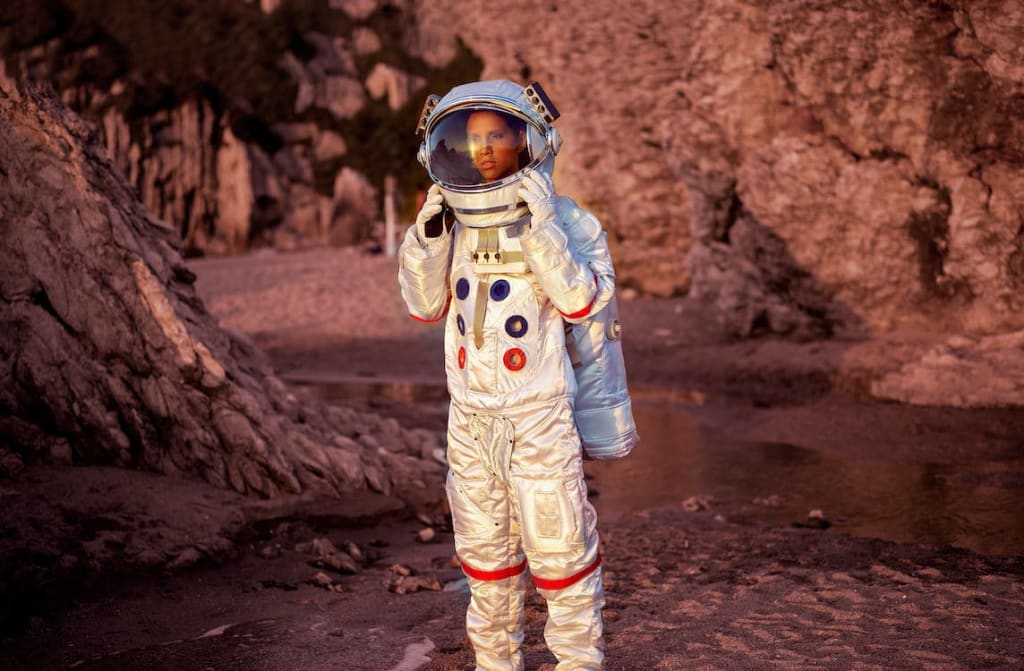
If a sustainable society is successfully established on Mars by Earthlings, the initial settlers will primarily identify themselves as Earthlings and adhere to Earth's laws. It is undeniable that within the next 20 years or even two centuries, humans will undoubtedly set foot on the moon and Mars, establishing the first colonies.
Even in circumstances more severe than ongoing conflicts, individuals still view with suspicion those who have chosen to join a group or country different from their own at some point in their lives. Even if these individuals return, they are no longer regarded as trustworthy and may no longer be considered part of the collective. This notion holds particularly true in the relationship between space and Earth, as well as between different time zones, where distance hinders contact between distant settlements.
A prime example of this can be observed in the colonization of North America and Australia, where two groups of colonists began to perceive themselves as distinct from their home countries. This occurred despite the fact that their cultures did not significantly differ from their original ones (for instance, both groups retained their English, Christian, and predominantly Anglo-Saxon culture). Similarly, those dwelling in space continue to identify with and express loyalty towards their countries of origin. Consequently, the space nation will effectively transition from being an extension of Earth to a distinct entity (for instance, the colonists will perceive themselves as "Americans on Mars" or "Russians on the Moon"), just as the pioneering colonies in America considered themselves as Englishmen in the "New World" or English or Spanish in Mexico. However, as time progresses – as was the case with the British colonies in America within a span of less than 150 years – some or all of the descendants of these initial colonies may come to identify themselves as "Martians" or "Mooners". The primary targets of these disparities in wealth and culture are individuals who were born in the area and are deemed "non-citizens". Many of them, similar to the second generation of Anglo-Saxons residing in North America, may not have set foot on the continent and therefore may not feel a strong connection to it.
Initially, this will be the case for the lunar and Martian colonies.In the second or third era of time, the process of declaring independence from Earth commences. The desire of nations or companies to establish permanent colonial settlements in space disregards the extensive history of colonialism spanning centuries. As the revolution unfolds, the Earth will face difficulties in swiftly assembling armed forces to counter the rebellion unless human technology can advance space travel and construct larger ships at a faster pace. Simultaneously, China will deploy surveillance systems and satellites to hinder future colonization efforts led by the United States.
Furthermore, additional American, Chinese, Indian, and Russian bases are established throughout the satellite. Between 2143 and 2147, all United States bases experience an increase in size, while in 2151, the first bases for Earth's wealthiest terrestrial corporations, including Microsoft, General Motors, Telecom, and SpaceX, commence construction. Five years later, numerous American oil companies emerge, and international trade involves various countries. By the year 2153, a space travel trust emerges on Earth, offering lunar trips to those willing to pay a substantial amount. Meanwhile, the number of oil rigs expands to alleviate the planet's predicament. In 2165, Earth decides to relinquish its space exploration and alienation program, transferring all space activities, including colonization, to a collaborative organization named "MOTHER." Subsequently, in 2183, the colony initiates resource exports to Earth, encompassing rare metals, solar energy, water, and biotech products. Space colonies emerge as formidable economic powers, challenging Earth's hegemony. Finally, in 2226, the League of Nations (LUNAE) is established, advocating for the rights of 15 out of the 24 colonies on the Moon.When LUNAE ignited, the public sentiment in the colony started to exhibit intolerance and animosity towards anything "non-Luna" for a span of two generations. Although it will not inflict any significant harm on Earth (as the "bottle" is only in its fifth generation, and the moon's significance is still in its early stages), it holds political and economic control over the country.
Moreover, the war was further complicated by the involvement of colonial advisors and nations that had not yet joined the UN General Assembly. Numerous colonies witnessed the emergence of movements demanding greater economic and political autonomy. "By the decision of the Moon's inhabitants, and by the authority entrusted to us by those present at this assembly on their behalf, this Parliament declares the Moon's independence from Earth." Declaration of Independence was delivered to MOTHER, the capital, for "co-signing," but the country's authorities rejected the document, leading to a military response.
Despite their advanced technology, Earth's military encountered challenges in their endeavor to obliterate the moon. Initially, they sought to weaken the Lunar Resistance by targeting residential areas in large-scale attacks. Meanwhile, the colonies ceased supplying Hel, resulting in a severe energy crisis on Earth and sparking violent protests that likened the moon to a reenactment of the battle for American sovereignty. On 2236, during a gathering in the city of Selene, Earth sanctioned the Lunar Parliament, granting the colonies mining rights (with certain labor and land restrictions). In 2238, the Earth and Space Federation initiated a cultural exchange program, enabling citizens from both worlds to visit and study each other's nations. In the year 2247, Earth and the Space Federation commenced collaborative efforts in the outer solar system to explore planets and moons. This mission holds significant symbolic value, as it signifies the first space mission between Earth and the If a sustainable society is successfully established on Mars by Earthlings, the initial settlers will primarily identify themselves as Earthlings and adhere to Earth's laws. It is undeniable that within the next 20 years or even two centuries, humans will undoubtedly set foot on the moon and Mars, establishing the first colonies.
Even in circumstances more severe than ongoing conflicts, individuals still view with suspicion those who have chosen to join a group or country different from their own at some point in their lives. Even if these individuals return, they are no longer regarded as trustworthy and may no longer be considered part of the collective. This notion holds particularly true in the relationship between space and Earth, as well as between different time zones, where distance hinders contact between distant settlements.
A prime example of this can be observed in the colonization of North America and Australia, where two groups of colonists began to perceive themselves as distinct from their home countries. This occurred despite the fact that their cultures did not significantly differ from their original ones (for instance, both groups retained their English, Christian, and predominantly Anglo-Saxon culture). Similarly, those dwelling in space continue to identify with and express loyalty towards their countries of origin. Consequently, the space nation will effectively transition from being an extension of Earth to a distinct entity (for instance, the colonists will perceive themselves as "Americans on Mars" or "Russians on the Moon"), just as the pioneering colonies in America considered themselves as Englishmen in the "New World" or English or Spanish in Mexico. However, as time progresses – as was the case with the British colonies in America within a span of less than 150 years – some or all of the descendants of these initial colonies may come to identify themselves as "Martians" or "Mooners". The primary targets of these disparities in wealth and culture are individuals who were born in the area and are deemed "non-citizens". Many of them, similar to the second generation of Anglo-Saxons residing in North America, may not have set foot on the continent and therefore may not feel a strong connection to it.
Initially, this will be the case for the lunar and Martian colonies.In the second or third era of time, the process of declaring independence from Earth commences. The desire of nations or companies to establish permanent colonial settlements in space disregards the extensive history of colonialism spanning centuries. As the revolution unfolds, the Earth will face difficulties in swiftly assembling armed forces to counter the rebellion unless human technology can advance space travel and construct larger ships at a faster pace. Simultaneously, China will deploy surveillance systems and satellites to hinder future colonization efforts led by the United States.
Furthermore, additional American, Chinese, Indian, and Russian bases are established throughout the satellite. Between 2143 and 2147, all United States bases experience an increase in size, while in 2151, the first bases for Earth's wealthiest terrestrial corporations, including Microsoft, General Motors, Telecom, and SpaceX, commence construction. Five years later, numerous American oil companies emerge, and international trade involves various countries. By the year 2153, a space travel trust emerges on Earth, offering lunar trips to those willing to pay a substantial amount. Meanwhile, the number of oil rigs expands to alleviate the planet's predicament. In 2165, Earth decides to relinquish its space exploration and alienation program, transferring all space activities, including colonization, to a collaborative organization named "MOTHER." Subsequently, in 2183, the colony initiates resource exports to Earth, encompassing rare metals, solar energy, water, and biotech products. Space colonies emerge as formidable economic powers, challenging Earth's hegemony. Finally, in 2226, the League of Nations (LUNAE) is established, advocating for the rights of 15 out of the 24 colonies on the Moon.When LUNAE ignited, the public sentiment in the colony started to exhibit intolerance and animosity towards anything "non-Luna" for a span of two generations. Although it will not inflict any significant harm on Earth (as the "bottle" is only in its fifth generation, and the moon's significance is still in its early stages), it holds political and economic control over the country.
Moreover, the war was further complicated by the involvement of colonial advisors and nations that had not yet joined the UN General Assembly. Numerous colonies witnessed the emergence of movements demanding greater economic and political autonomy. "By the decision of the Moon's inhabitants, and by the authority entrusted to us by those present at this assembly on their behalf, this Parliament declares the Moon's independence from Earth." Declaration of Independence was delivered to MOTHER, the capital, for "co-signing," but the country's authorities rejected the document, leading to a military response.
Despite their advanced technology, Earth's military encountered challenges in their endeavor to obliterate the moon. Initially, they sought to weaken the Lunar Resistance by targeting residential areas in large-scale attacks. Meanwhile, the colonies ceased supplying Hel, resulting in a severe energy crisis on Earth and sparking violent protests that likened the moon to a reenactment of the battle for American sovereignty. On 2236, during a gathering in the city of Selene, Earth sanctioned the Lunar Parliament, granting the colonies mining rights (with certain labor and land restrictions). In 2238, the Earth and Space Federation initiated a cultural exchange program, enabling citizens from both worlds to visit and study each other's nations. In the year 2247, Earth and the Space Federation commenced collaborative efforts in the outer solar system to explore planets and moons. This mission holds significant symbolic value, as it signifies the first space mission between Earth and the Space Federation..
About the Creator
On-Device AI Market Valuation Set to Total USD 174.19 billion by 2034
On-Device AI Market Overview The Global On-Device AI Market is projected to reach approximately USD 174.19 Billion by 2034, increasing from USD 14.87 Billion in 2024, reflecting a strong CAGR of 27.9% during the forecast period from 2025 to 2034.
By Roberto Cruma day ago in Futurism
AI Orchestration Platform Market to hit USD 48.7 Billion By 2034
The Global AI Orchestration Platform Market is projected to reach approximately USD 48.7 Billion by 2034, rising from USD 5.8 Billion in 2024, and it is expected to grow at a CAGR of 23.7% during the forecast period from 2025 to 2034. The expansion of this market is largely driven by the increasing deployment of artificial intelligence solutions across enterprise environments.
By Roberto Crum4 days ago in Futurism



Comments
There are no comments for this story
Be the first to respond and start the conversation.