
📱 The Future of Smartphones: What Apple and Samsung Don’t Want You to Know
A deep dive into the innovations, secret agendas, and hidden risks shaping the smartphone you’ll be holding in 2025 and beyond.

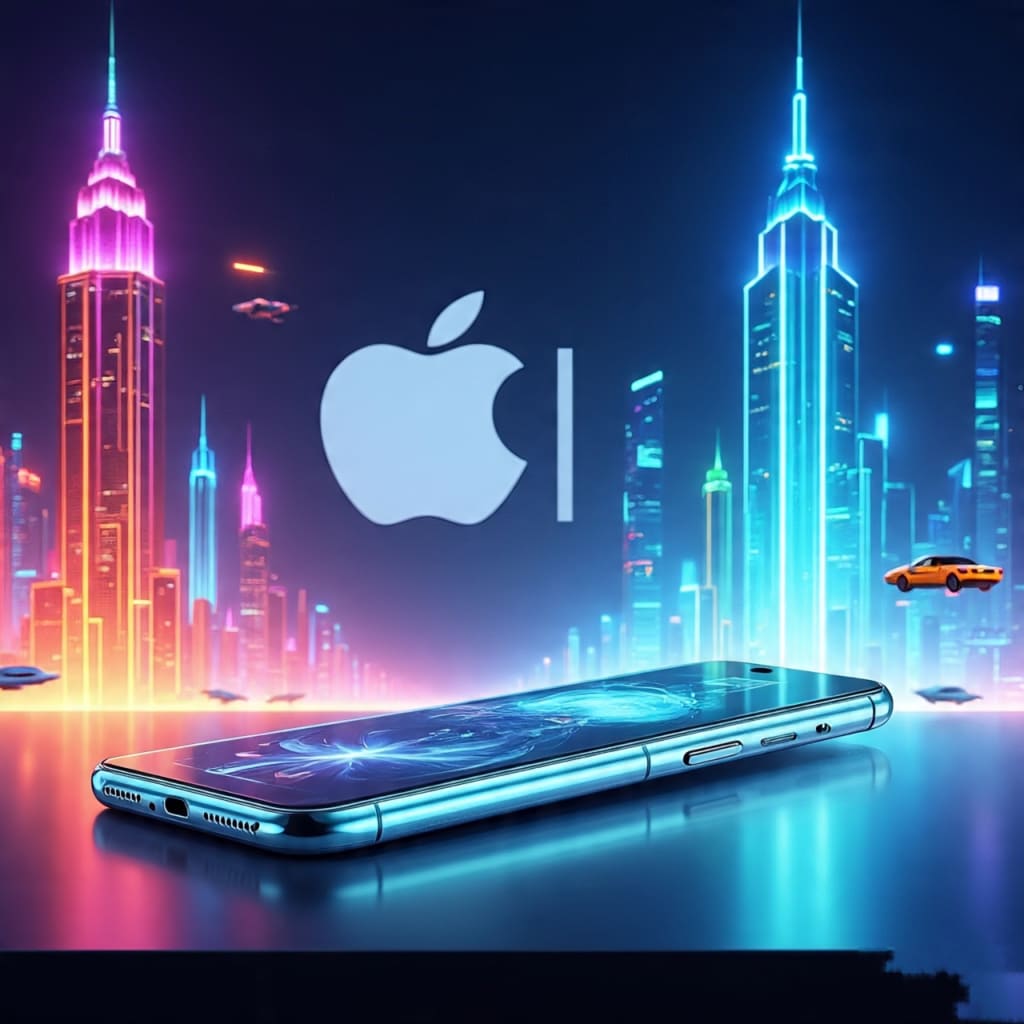
The Smartphone Revolution Nobody Talks About
Every year, Apple and Samsung take the stage with shiny presentations, promising “the future of smartphones.” Sleeker cameras, faster chips, smarter assistants — it all looks exciting. But here’s the truth: the next five years of smartphone technology are far more disruptive than these tech giants admit.
Behind the glossy product launches, patents, and leaked rumors lies a future that could completely change how we use, pay for, and even own our phones. Some of these changes are game-changing innovations. Others are corporate strategies designed to give you less freedom while locking you into their ecosystem forever.
Here’s what Apple and Samsung don’t want you to know about the real future of smartphones.
🔄 1. Foldables Are Just the Beginning
Foldable phones like Samsung’s Galaxy Z Fold and Z Flip already show how flexible screens can reshape design. But insiders say foldables are merely the first step.
📌 Future patents point toward:
- Rollable displays that expand like a scroll.
- Stretchable phones that can change shape for gaming or work.
- Dual-screen hybrids that merge tablet + phone into one device.
Why it matters: Apple has stayed quiet on foldables, but leaks suggest they’re experimenting with rollable concepts. The real reason both companies delay mainstream adoption? Cost control. If they trickle-feed features, they can keep you upgrading every year.
🔐 2. Goodbye SIM Cards, Hello eSIM Lock-In
Remember when you could pop in any SIM card and switch carriers easily? That freedom is fading fast. Apple already removed physical SIM trays in U.S. iPhones. Samsung is quietly preparing to do the same.
Why? eSIM technology makes switching carriers harder, tying you closer to their preferred networks. It’s marketed as “sleeker and more secure,” but the hidden agenda is control and profit.
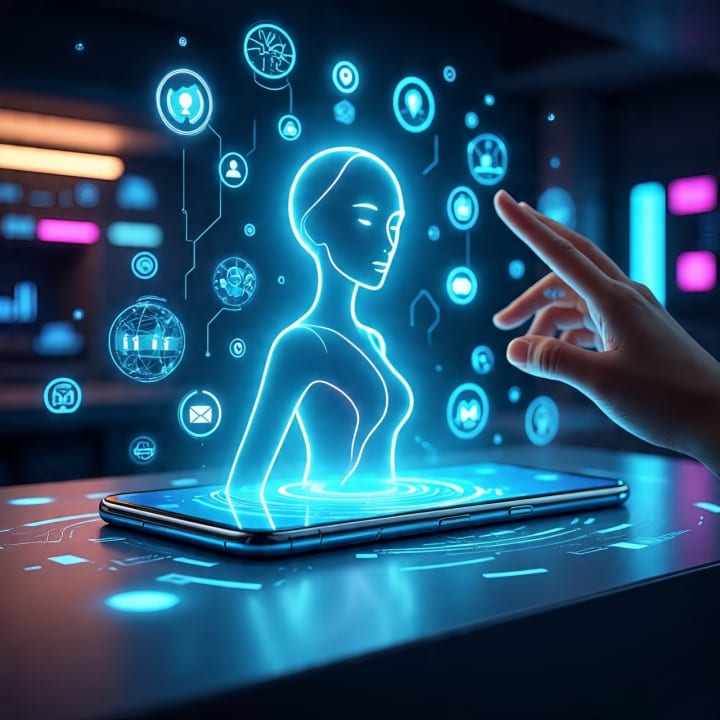
🤖 3. AI Assistants That Know You Better Than You Do
Siri and Bixby often feel like outdated tools. But the next wave of AI will transform smartphones into predictive assistants that act before you even ask.
Imagine this:
- Your phone books a ride before you leave the office.
- It predicts your mood and adjusts your music.
- It drafts your emails in your style without opening Gmail.
These aren’t sci-fi dreams — they’re on-device AI features coming in 2025–2026. Apple is investing heavily in “Apple GPT,” while Samsung is developing Gauss AI, designed to live directly in your phone.
⚡ 4. The Death of Charging Cables
You already noticed fewer chargers in the box. Next step? No cables at all.
- MagSafe and Qi2 wireless charging are just stepping stones.
- Future smartphones will charge wirelessly anywhere in the room, thanks to long-range RF charging.
- Apple and Samsung could profit by selling wireless charging “ecosystems,” locking users into proprietary hardware.
The hidden reason they don’t rush this tech? Accessories. As long as you keep buying cables, bricks, and docks, they keep earning.
💳 5. The Subscription Smartphone Model
Here’s the future few people are talking about: you may never truly “own” your phone again.
Apple and Samsung are testing subscription models where users pay
monthly for the latest device, upgrading every year — like Netflix for hardware.
It sounds convenient, but it’s also a trap:
- Endless payments = no ownership.
- Locked into brand ecosystems.
- Lower resale value, since phones remain company property.
It’s brilliant for corporations. For consumers? It’s debt disguised as convenience.
🕵️ 6. Privacy Wars: The Data They Don’t Want You to See
Smartphones are no longer just devices — they’re biometric data vaults. Fingerprints, face scans, health stats, spending habits, even emotions (through AI camera analysis) are collected.
Apple sells itself as “privacy first,” but monetizes through services. Samsung leans heavily on partnerships and data analytics. Either way, your data is worth more than the phone itself.
🕶️ 7. The Phone After the Phone (What Comes Next)
Here’s the bombshell: the smartphone may not even survive the next decade.
- AR glasses could replace screens.
- Wearable devices may put phone features on your wrist, skin, or even in contact lenses.
- Brain-computer interfaces (Meta, Neuralink, Apple research) could make “holding a phone” obsolete.
The reason Apple and Samsung delay breakthroughs? They want to stretch the lifespan of the smartphone era before pivoting to what’s next.

Will You Still Own Your Phone?
The future of smartphones is exciting — foldables, AI, wireless charging, AR. But behind the innovation lies a corporate agenda: to keep you locked into ecosystems, paying subscriptions, and handing over your most personal data.
The truth? The real “future of smartphones” isn’t just about design or speed. It’s about control. Apple and Samsung know it. Now you do too.
👉 Would you ditch your smartphone tomorrow if AR glasses or wearable tech could replace it? Share your thoughts — because the next big shift may come faster than you think.
About the Creator
The Narrative Hub
Your daily destination for the most compelling stories and insightful articles. At The Narrative Hub, we bring you trending topics, human experiences, and thought-provoking narratives—all in one place.
Keep reading
More stories from The Narrative Hub and writers in Futurism and other communities.
Inside The Bank Job 2025: The Untold Secrets of Real Heists That Inspired Hollywood Thrillers
When whispers of The Bank Job 2025 began surfacing online, thriller fans and true-crime enthusiasts lit up with excitement. Whether the film turns out to be a reboot, a sequel, or simply a fan-made dream, one thing is certain: heist movies have always captured our imagination. Why? Because many of them are inspired by real-life robberies—crimes so daring that they sound like fiction, yet they actually happened.
By The Narrative Hub5 months ago in The Swamp
About Binding Prometheus
I want to start actively advocating on behalf of my own work, and the most valuable part of my canon is, without a doubt, Binding Prometheus, the play I have been working on since 2019 and only finished in 2023 as part of my MA. The play itself is an amalgamation of a million different inspirations. On one end, it evokes the Ancient Greek myth-play, deriving its own title from the earliest extant work of Western drama we have, Aeschylus’s Prometheus Bound. On the other end, it borrows significantly from the sci-fi bulwarks from over the years, namely Mary Shelley’s Frankenstein and Karel Capek’s Rossum’s Universal Robots. The play could be an episode of Black Mirror, I fear. I don’t know. I’ve only ever seen one episode of Black Mirror.
By Steven Christopher McKnight19 days ago in Futurism
Saudi Arabia Electroplating Market: Industrial Expansion, Surface Treatment Innovation & Growth Outlook
According to IMARC Group's latest research publication, the Saudi Arabia electroplating market size reached USD 161.02 Million in 2024. The market is projected to reach USD 219.84 Million by 2033, exhibiting a growth rate of 3.52% during 2025-2033.
By Abhay Rajputabout 19 hours ago in Futurism
Wild Card Weekend Recap: What Happens Now?
I think I figured out why I love Wild Card Weekend so much. It's because it's the first playoff anything of the calendar year. The NFL season starts in the fall, and once upon a time, the champion was crowned either on or slightly before New Year's. The evolution of the NFL schedule has resulted in the playoffs starting just into the New Year, and currently, the final week of the season falls on the first weekend of the New Year, with Wild Card Weekend coming a week after that. So yes, chronologically, the NFL's Wild Card Weekend serves as the first playoff anything of the calendar year.
By Clyde E. Dawkins7 days ago in Unbalanced




Comments
There are no comments for this story
Be the first to respond and start the conversation.