
The Future of Senior Care: How AI and Smart Tech Are Revolutionizing Aging at Home
By Paul Contris

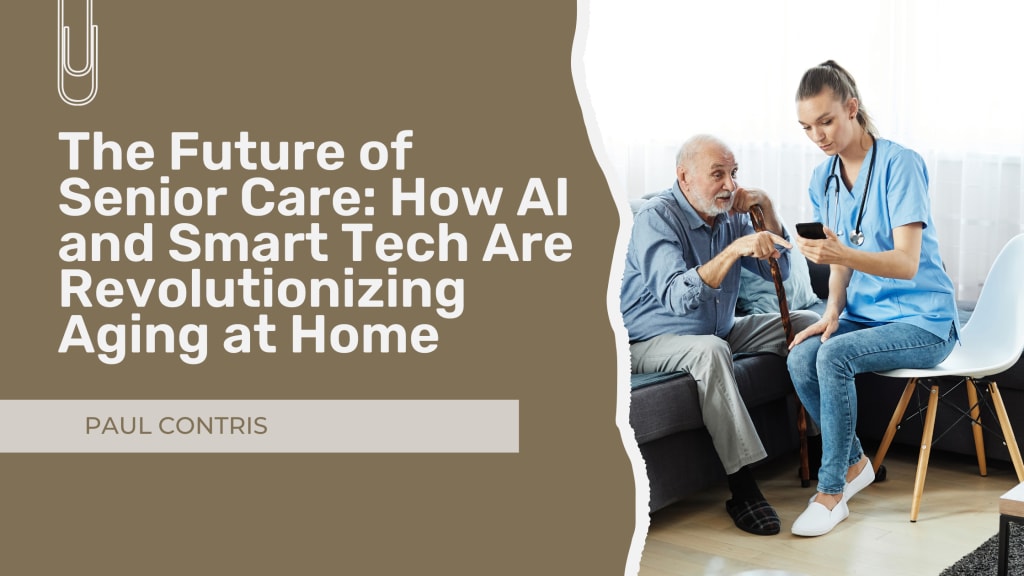
Aging is a natural part of life, and with it comes the need for enhanced care and support. In the past, senior care often meant moving into assisted living facilities or relying on in-home caregivers. However, advancements in artificial intelligence (AI) and smart technology are transforming the way seniors receive care, enabling them to live independently in their own homes for longer. From AI-powered assistants to smart health monitoring devices, technology is playing a pivotal role in shaping the future of senior care.
AI-Powered Personal Assistants
One of the most significant advancements in senior care is the development of AI-powered personal assistants. Devices like Amazon’s Alexa, Google Assistant, and Apple’s Siri are already making life easier for seniors by providing hands-free communication, reminders for medication, and even companionship. More advanced AI-driven systems can analyze a senior’s routine and provide proactive assistance, such as suggesting hydration reminders based on previous drinking habits or alerting caregivers when unusual activity is detected.
AI chatbots and virtual companions are also emerging as solutions to combat loneliness among the elderly. These AI systems can engage in meaningful conversations, read books aloud, or play music tailored to the user’s preferences, improving mental and emotional well-being.
Smart Home Automation for Safety and Convenience
Smart home technology is revolutionizing the way seniors manage their daily lives. Automated systems can now control lighting, temperature, security, and even kitchen appliances, making homes safer and more accessible.
- Voice-activated and motion-sensor lighting: Reduces the risk of falls by ensuring rooms are well-lit as soon as a senior enters.
- Smart thermostats: Help regulate home temperature to ensure comfort without the need for manual adjustments.
- Security systems: Smart locks, video doorbells, and security cameras provide peace of mind by allowing seniors to see and communicate with visitors without opening the door.
- Automated medication dispensers: These devices provide timely medication reminders and prevent overdosing by only dispensing the correct dosage at the right time.
Wearable Health Monitors and Telemedicine
Health monitoring is a crucial aspect of senior care, and wearable technology has made it easier than ever to track vital signs and detect potential health issues early.
- Smartwatches and fitness trackers: Devices like the Apple Watch and Fitbit can monitor heart rate, oxygen levels, and even detect falls, automatically notifying emergency contacts if needed.
- AI-powered ECG monitors: These devices analyze heart rhythms and can detect atrial fibrillation, a common heart condition in seniors.
- Telemedicine platforms: Virtual doctor consultations have become more accessible, allowing seniors to receive medical care from the comfort of their homes, reducing the need for travel and exposure to illness.
Robotics in Senior Care
Robotic technology is also making waves in senior care by assisting with everyday tasks and providing companionship.
- Robotic caregivers: Robots like ElliQ and Pepper can engage seniors in conversation, play games, and even provide cognitive exercises to keep the mind sharp.
- Automated mobility aids: Smart wheelchairs and robotic exoskeletons assist seniors with mobility challenges, improving independence.
- Robotic pets: For those who cannot care for real pets, robotic pets provide companionship and reduce feelings of isolation.
Ethical Considerations and Challenges
Despite the promising advancements in AI and smart tech for senior care, there are ethical concerns and challenges to consider.
- Privacy concerns: AI systems and smart home devices collect and store sensitive personal data, raising questions about security and data protection.
- Accessibility and affordability: Not all seniors can afford the latest technology, and some may struggle to adapt to digital interfaces.
- Human interaction: While AI and robots can provide companionship, they cannot fully replace the emotional support of human caregivers and family members.
The Road Ahead: Integrating AI and Smart Tech with Traditional Care
The future of senior care lies in a hybrid approach that combines AI and smart technology with traditional caregiving. Rather than replacing human caregivers, these technologies should be seen as tools to enhance their effectiveness and provide seniors with greater independence. Governments, healthcare providers, and tech companies must work together to ensure that these advancements are accessible and affordable for all seniors.
As AI and smart technology continue to evolve, they will play an increasingly important role in improving the quality of life for aging individuals. With the right balance of innovation and human touch, seniors can enjoy a safer, healthier, and more fulfilling aging experience in the comfort of their own homes.
About the Creator
Paul Contris
Based in Arizona and working out of Wyoming, Paul Contris is the CEO of Vetras Healthcare. He is committed to improving senior living, supporting caregivers & advancing healthcare solutions with more than 40 years of experience.
Keep reading
More stories from writers in Futurism and other communities.
Insurance Fraud Detection Market: Predictive Modeling Driving Market Momentum
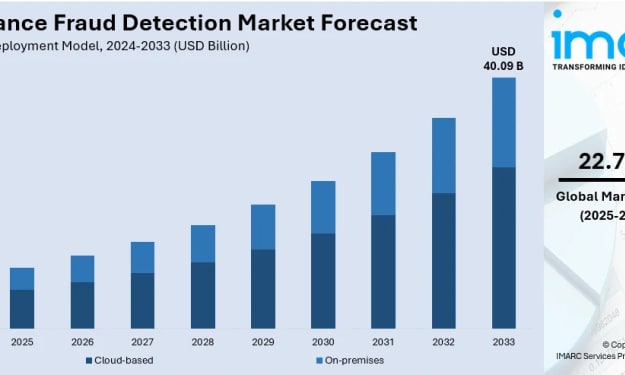
Rising fraudulent claims, expanding digital insurance platforms, stricter regulatory requirements, and growing adoption of AI-driven analytics are accelerating demand for advanced, real-time insurance fraud detection solutions. According to IMARC Group's latest research publication, global insurance fraud detection market size reached USD 5.58 Billion in 2024. Looking forward, IMARC Group expects the market to reach USD 40.09 Billion by 2033, exhibiting a growth rate (CAGR) of 22.70% during 2025-2033.
By Andrew Sullivan4 days ago in Futurism
How to Choose an Ecommerce Web Design Company for BigCommerce Development?
When I first decided to move my business into the world of online selling, I felt like I was standing at the base of a very tall, very steep mountain. I had my products ready, I knew my customers, but the technical side of things? That felt like a foreign language.
By Jane Smitha day ago in Futurism
Self Help: Grifters' Gospel
On Self-Help, Snake Oil, and the Illusion of Change Psychology professionals and students can be imagined on two opposite sides of a line called self-help books: likely a larger group opposes pop-science and step-by-step manuals filled with talk of success, journaling, and not giving a f**k; others love them, but they aren’t many.
By Avocado Nunzella BSc (Psych) -- M.A.P 5 days ago in BookClub


Comments
There are no comments for this story
Be the first to respond and start the conversation.