
The future of human-machine integration is closer than we think.
From Science Fiction to Reality

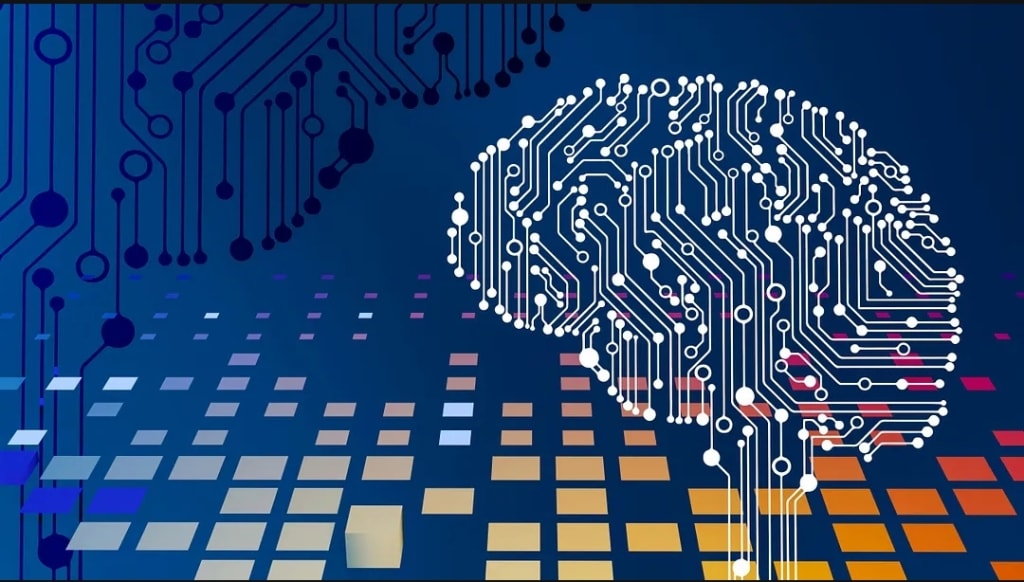
When I was a child, Iron Man amazed me. I would often imagine myself inside that suit, flying high in the sky, controlling machines with just my thoughts. The idea of humans and technology working as one excited me. I dreamed of wearing a powerful suit that made me stronger, faster, and nearly unstoppable. In my mind, nothing was impossible.
But whenever I shared these ideas with others, they would laugh. "That’s just a movie," they would say. "It will never happen in real life." Some thought I was being silly, while others just ignored me. But deep inside, I couldn’t accept that. I believed that if humans could imagine something, they could also make it real.
History proves this.
A long time ago, people dreamed of flying, but they thought it was impossible. Now, airplanes take us across the world in hours. Talking to someone far away once seemed like magic, but today, we can see and hear people through video calls. Even landing on the moon was once just a dream, but it became reality.
If all of this was possible, then why should human-machine integration be impossible?
Today, I see parts of my childhood dreams coming true. Artificial intelligence (AI) is getting smarter. Bionic limbs are helping people walk and move again. Brain-machine interfaces allow people to control computers with their thoughts. Exoskeleton suits are being tested to help people lift heavy objects or walk when they can’t on their own. Smart glasses and augmented reality are making information available right in front of our eyes.
The idea of improving human abilities is no longer just in movies. It’s happening in real life.
But with great power comes great responsibility. It’s not just about what we can do—it’s about what we should do.
Merging humans with machines can change the world for the better. It can help paralyzed people walk again. It can improve memory and thinking speed. It can help people live longer, work better, and communicate faster. Soldiers, doctors, and astronauts could use smart suits that make them stronger and more capable. With brain-computer technology, people could send messages just by thinking.
But there are also big questions to ask.
Who will get access to these technologies? Will only the rich be able to afford them? If brain-computer connections become common, could they be used to control people instead of helping them? Could companies or governments use this technology to watch our thoughts or influence what we do? Will we lose what makes us human as we merge with machines?
The more we connect with technology, the more we must think about its effects.
I believe that technology itself is neither good nor bad—it depends on how we use it. If we use it wisely and fairly, it can be one of the greatest steps in human history. It can help us break limits, explore new possibilities, and create a better world. But if we misuse it, it could increase inequality and give too much power to a few people.
I often wonder—what if we had the chance to upgrade our bodies and minds just like we upgrade our phones? Would we do it? Would it make life better, or would it create new problems?
The dreams I had as a child no longer feel impossible. They feel close—like a future waiting to happen. The question is no longer "Can we do it?" because the answer is yes. The real question is "How should we do it?"
So i think if we choose the right path, human and machine can work together in ways we never imagined. The line between imagination and reality will disappear. And when that happens, the future will be beyond anything we can dream of today.
About the Creator
Mobassher Nahid
I'm a visionary who explores technology and the future, sharing thoughts on innovation and progress through writing.
Keep reading
More stories from writers in Futurism and other communities.
How Tampa Companies Avoid App Downtime During Rapid Growth?
Jonathan Pierce didn’t fear growth. He feared growth without warning. The company’s mobile app was gaining traction faster than forecast. Quarterly active users were up more than 40%. Transaction volume climbed week after week. Marketing campaigns that once felt ambitious now felt dangerous.
By Samantha Blake6 days ago in Futurism
Robotics Solutions Market: Industrial AI, Automation & Efficiency Trends
Rising automation demand, labor shortages, and need for higher productivity are driving growth in the robotics technology market. Advancements in AI, machine vision, and sensor technologies expand applications across manufacturing, healthcare, and logistics. Increasing adoption of collaborative robots improves workplace flexibility and safety. According to IMARC Group's latest research publication, The global robotics technology market size reached USD 108.0 Billion in 2024. Looking forward, IMARC Group expects the market to reach USD 237.0 Billion by 2033, exhibiting a growth rate (CAGR) of 9.13% during 2025-2033
By James Whitman5 days ago in Futurism


Comments (1)
Wow! Sounds like an amazing future! Great work!