
The Future of Digital Transactions: eSignature Facial Recognition in the Philippines
Enhancing Security and Efficiency in Digital Transactions with Biometric Authentication
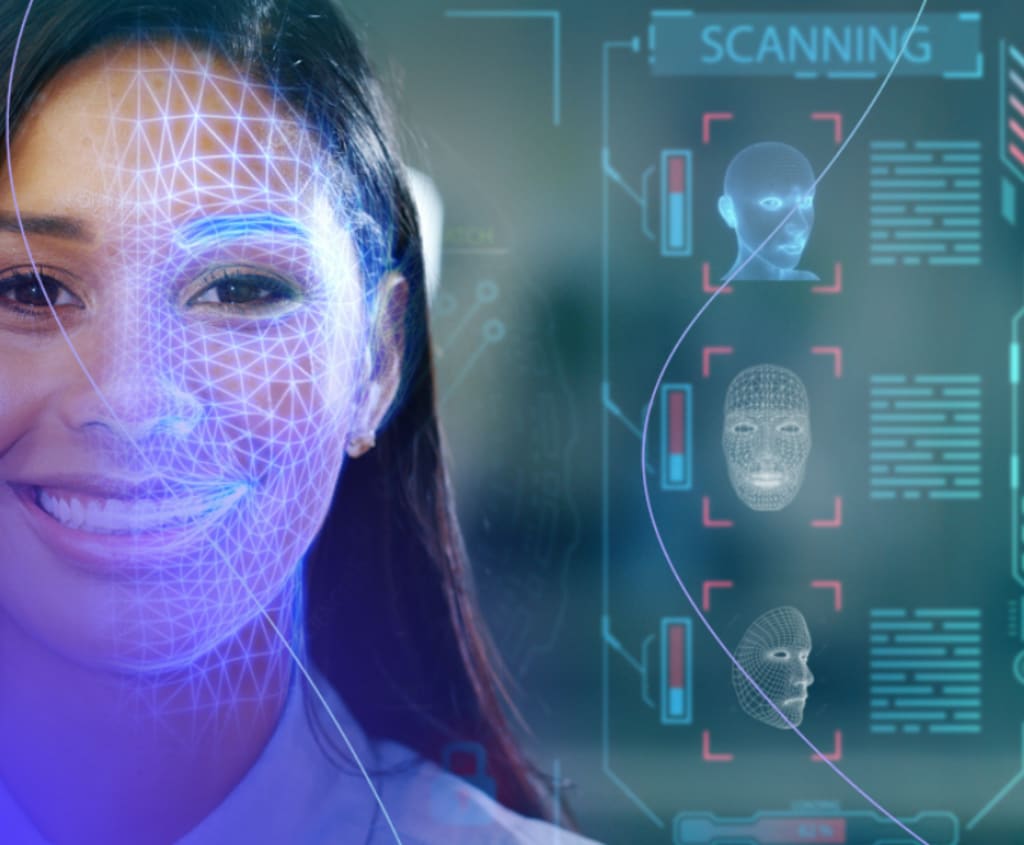
In the digital age, traditional paper-based transactions are rapidly being replaced by electronic signatures (eSignatures). With the increasing need for secure and efficient methods of validation, eSignature facial recognition has emerged as a groundbreaking solution. The legal landscape in the Philippines has adapted to accommodate these advancements, making electronic signatures not only practical but also legally binding.
Understanding eSignature Facial Recognition
eSignature facial recognition combines the convenience of electronic signatures with the robust security of biometric authentication. This technology uses facial recognition software to verify the identity of the signatory, ensuring that the individual signing the document is indeed who they claim to be. By capturing unique facial features, this method significantly reduces the risk of fraud and enhances the overall security of electronic transactions.
The integration of eSignature facial recognition in the Philippines is particularly significant given the country's evolving digital economy. As more businesses and government agencies transition to digital processes, the demand for secure, efficient, and legally recognized methods of signing documents electronically has grown exponentially.
Legal Framework for Electronic Signatures in the Philippines
In the Philippines, electronic signatures are governed by the Electronic Commerce Act of 2000 (Republic Act No. 8792). This legislation provides the legal framework that validates electronic documents and signatures, ensuring they hold the same legal weight as their traditional counterparts. The law defines an electronic signature as any distinctive mark or process logically associated with an electronic document, used to signify the intent to sign.
The act recognizes various forms of electronic signatures, including digital signatures and biometric-based methods like eSignature facial recognition. The legal acceptance of these advanced methods underscores the Philippines' commitment to embracing innovative technologies that enhance transaction security and efficiency.
Advantages of eSignature Facial Recognition
Enhanced Security
One of the primary benefits of eSignature facial recognition is the heightened security it offers. Traditional signatures can be forged, and even simple electronic signatures can be compromised. However, facial recognition technology is incredibly difficult to deceive. By using unique biometric data, this method ensures that only the intended individual can sign the document, thereby significantly reducing the risk of identity theft and fraud.
Convenience and Efficiency
eSignature facial recognition streamlines the signing process, making it quicker and more convenient. Users can sign documents from anywhere, at any time, without the need for physical presence or additional hardware. This convenience is particularly beneficial in remote work environments and for businesses that operate across multiple locations.
Legal Compliance
As previously mentioned, eSignature facial recognition is legally recognized in the Philippines. This compliance with the Electronic Commerce Act ensures that documents signed using this technology are admissible in court and carry the same legal validity as traditional signatures. This legal assurance provides peace of mind to businesses and individuals alike, knowing that their electronic transactions are protected by law.
Implementing eSignature Facial Recognition in Business
Businesses in the Philippines are increasingly adopting eSignature facial recognition to streamline their operations and enhance security. From banking and finance to real estate and healthcare, various industries are leveraging this technology to improve their digital transaction processes.
For instance, banks can use eSignature facial recognition to verify the identity of clients remotely, facilitating the opening of accounts and the approval of loans without the need for physical interaction. Real estate firms can expedite the signing of property documents, reducing the time and effort required to close deals. Similarly, healthcare providers can use this technology to securely sign patient records and consent forms, ensuring compliance with data protection regulations.
The Future of eSignature Technology
The adoption of eSignature facial recognition is expected to grow as more industries recognize its benefits. Continuous advancements in facial recognition technology will further enhance its accuracy and reliability, making it an indispensable tool for digital transactions.
In the Philippines, the government and private sector must collaborate to promote the widespread use of eSignature facial recognition. By investing in this technology and ensuring its accessibility, the country can fully harness the potential of digital transformation and improve the overall efficiency of its economy.
Conclusion
The integration of eSignature facial recognition in the Philippines marks a significant step towards a secure and efficient digital future. As this technology becomes more prevalent, it will play a crucial role in enhancing the security of electronic transactions and ensuring legal compliance. Platforms like UNAWA's SignSecure are at the forefront of this innovation, providing reliable and legally recognized solutions for businesses and individuals alike. With eSignature facial recognition, the Philippines is well-positioned to lead in the digital transformation of transactions.
About the Creator
About Binding Prometheus
I want to start actively advocating on behalf of my own work, and the most valuable part of my canon is, without a doubt, Binding Prometheus, the play I have been working on since 2019 and only finished in 2023 as part of my MA. The play itself is an amalgamation of a million different inspirations. On one end, it evokes the Ancient Greek myth-play, deriving its own title from the earliest extant work of Western drama we have, Aeschylus’s Prometheus Bound. On the other end, it borrows significantly from the sci-fi bulwarks from over the years, namely Mary Shelley’s Frankenstein and Karel Capek’s Rossum’s Universal Robots. The play could be an episode of Black Mirror, I fear. I don’t know. I’ve only ever seen one episode of Black Mirror.
By Steven Christopher McKnight18 days ago in Futurism
United States Residential Remodeling Market Size and Forecast 2025–2033
Introduction The United States residential remodeling market has entered a transformative phase, driven by evolving homeowner lifestyles, rising property values, and an increased emphasis on sustainability and modernization. According to Renub Research, the United States Residential Remodeling Market is expected to reach US$ 804.02 billion by 2033, up from US$ 531.34 billion in 2024, growing at a CAGR of 4.71% between 2025 and 2033. This steady expansion reflects the essential role of remodeling in maintaining and enhancing the nation’s aging housing stock while aligning homes with contemporary living standards.
By Renub Research6 days ago in Futurism


Comments
There are no comments for this story
Be the first to respond and start the conversation.