
The Future in Stories: How Sci-Fi is Shaping Tomorrow’s World
From robots to space travel, these powerful futuristic stories inspire us to imagine, explore, and even invent what comes next.

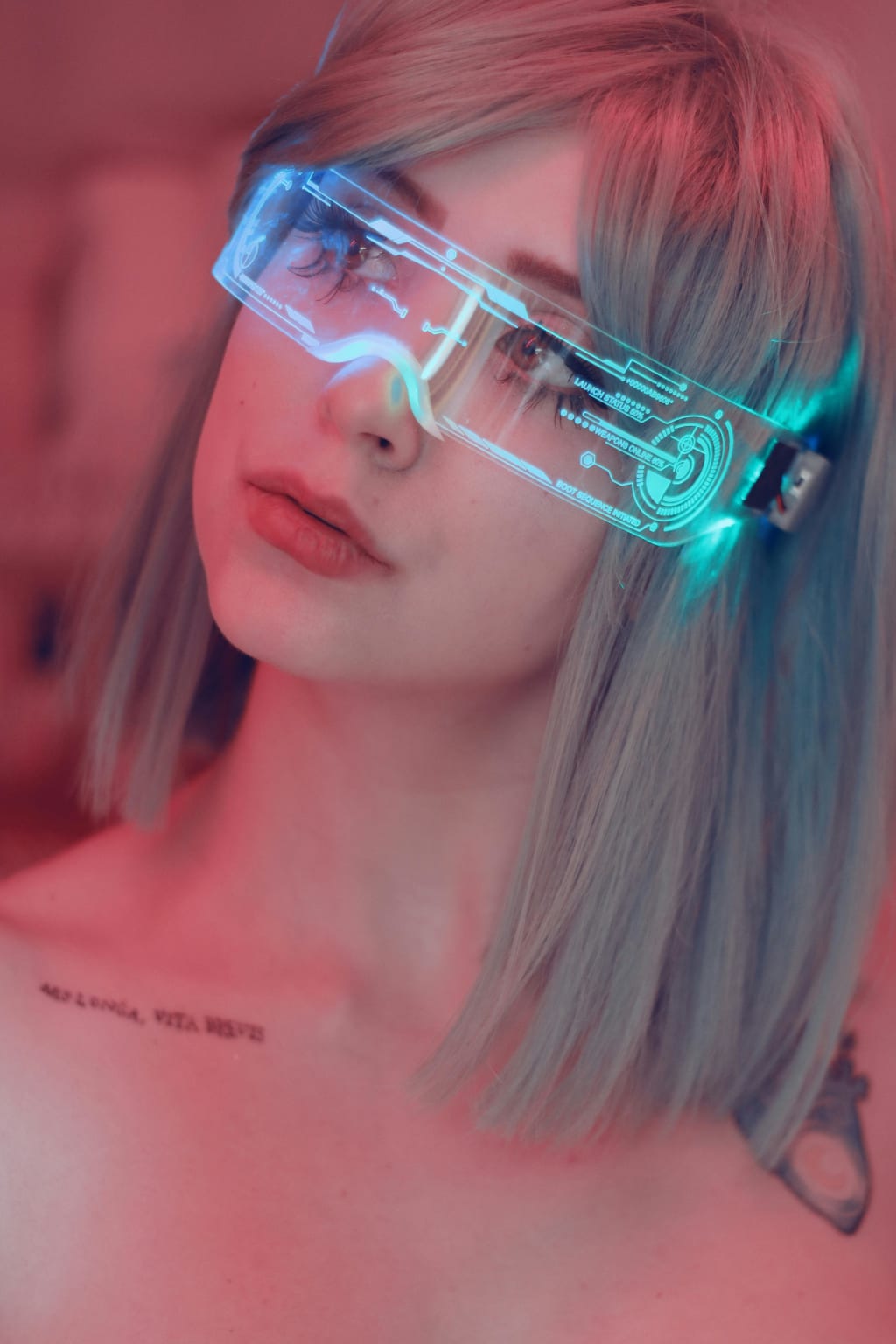
The Future in Stories: How Sci-Fi is Shaping Tomorrow’s World
What will life be like in 50 years? Will we have flying cars, robot teachers, or live on Mars? These are the kinds of questions that science fiction — or sci-fi — has been asking for decades. And while they may seem like fantasy at first, many of today’s real technologies started as ideas in stories.
In the world of futurism, stories aren’t just entertainment. They are windows into possibility.
Let’s explore how futuristic stories inspire us, predict what’s coming, and even push us to build the future we dream about.
Stories That See Ahead of Their Time
Science fiction writers are often dreamers. But they’re also observers — of science, society, and human nature. That’s why some sci-fi stories written long ago feel surprisingly accurate today.
Here are a few examples:
Smartphones: In Star Trek (1960s), characters used handheld “communicators.” Today, we call them smartphones.
Artificial Intelligence: In stories like 2001: A Space Odyssey, AI played a major role. Now, AI is part of our daily lives — in voice assistants, chatbots, and even self-driving cars.
Virtual Reality: Sci-fi imagined immersive virtual worlds long before we had VR headsets like the Oculus.
Writers didn’t just guess — they imagined what could be, and that sparked real curiosity and invention.
Why Futuristic Stories Matter
Some people ask, “Why read made-up stories about space or robots?” But sci-fi is more than space battles. It’s about possibility, challenge, and hope.
Here’s why these stories matter so much:
They make us think bigger.
A story about colonizing Mars makes us wonder — could we really do that? What would it take?
They prepare us.
Stories about climate change, AI ethics, or global pandemics help us explore real-world issues in new ways — before they happen.
They inspire future inventors.
Many scientists, engineers, and astronauts say sci-fi stories sparked their interest in science as kids.
They ask deep questions.
What makes us human? What happens if technology goes too far? Sci-fi explores these questions through exciting worlds and characters.
Some Must-Read Futuristic Stories (Handpicked)
If you’re new to the world of sci-fi or just looking for great stories in futurism, here are some handpicked gems — both classic and modern:
“The Machine Stops” by E.M. Forster
Written in 1909, this short story imagined a world where people live underground, relying completely on machines. It feels strangely close to our digital age.
“Neuromancer” by William Gibson
A cyberpunk classic that helped shape how we imagine virtual worlds and the internet.
“The Martian” by Andy Weir
A thrilling but realistic survival story set on Mars — full of science, hope, and problem-solving.
“Children of Time” by Adrian Tchaikovsky
An epic tale of evolution, survival, and what life could look like on other planets.
Short Stories on Vocal (Futurism)
The Vocal community has amazing writers crafting short fiction about future Earths, AI, space travel, and more. These stories are fresh, smart, and deeply creative.
Writing the Future, One Story at a Time
You don’t need to be a scientist to imagine the future. Every time someone writes a sci-fi story, they’re helping build tomorrow. These stories stretch our minds, challenge our fears, and remind us that anything is possible with curiosity and courage.
If you’ve ever had a wild idea about robots, planets, or time machines — write it down. That spark might just inspire someone to invent the real thing one day.
Final Thoughts
The future isn’t only something we wait for. It’s something we create — through stories, dreams, and imagination. In a world filled with challenges, futurism reminds us that better, brighter worlds are possible.
So next time you read a sci-fi story, remember: it’s not just fiction. It’s a blueprint for what could be.
And who knows? The future might just start with your next story.
About the Creator
Keep reading
More stories from Muhammad Farhad Khan and writers in Futurism and other communities.
Life in 2050: How the Future Will Change Everything
Imagine waking up in the year 2050. Your smart bed gently lifts you from sleep. The lights turn on slowly, your favorite music starts playing, and the smell of fresh coffee fills the air—without you lifting a finger. This isn’t science fiction anymore. It’s the future we’re heading toward.
By Muhammad Farhad Khan8 months ago in Futurism
About Binding Prometheus
I want to start actively advocating on behalf of my own work, and the most valuable part of my canon is, without a doubt, Binding Prometheus, the play I have been working on since 2019 and only finished in 2023 as part of my MA. The play itself is an amalgamation of a million different inspirations. On one end, it evokes the Ancient Greek myth-play, deriving its own title from the earliest extant work of Western drama we have, Aeschylus’s Prometheus Bound. On the other end, it borrows significantly from the sci-fi bulwarks from over the years, namely Mary Shelley’s Frankenstein and Karel Capek’s Rossum’s Universal Robots. The play could be an episode of Black Mirror, I fear. I don’t know. I’ve only ever seen one episode of Black Mirror.
By Steven Christopher McKnight12 days ago in Futurism
South East Asia Toys Market Expands with Rising Investments and Infrastructure Boost
The South East Asia toys market size reached USD 4.3 Billion in 2024. It is forecasted to grow to USD 5.5 Billion by 2033, exhibiting a CAGR of 2.76% during the 2025-2033 period. Growth is driven by the rise of eco-friendly toys, a consumer shift from traditional to advanced electronic toys, and the growing influence of social media and celebrity endorsements. The market reflects the evolving preferences and technological advancements in toys within the region.
By Abhishek Dixitabout 2 hours ago in Futurism


Comments (1)
nice