
The Evolution of Transhumanism:
Are We Redefining Humanity?"


In the ever-evolving landscape of science and technology, few concepts are as provocative or polarizing as transhumanism. This movement, which seeks to enhance human capabilities through advanced technologies, has sparked debates about the future of humanity, ethics, and the very essence of what it means to be human. But as we stand on the brink of a new era, one question looms large: Are we redefining humanity, or are we losing it altogether?
The Roots of Transhumanism
Transhumanism isn’t a new idea. Its philosophical roots can be traced back to the early 20th century when thinkers like J.B.S. Haldane and Julian Huxley began exploring the possibilities of human enhancement. Haldane’s 1923 essay "Daedalus: Science and the Future" speculated about the use of biotechnology to improve human life, while Huxley coined the term "transhumanism" in the 1950s to describe the potential for humans to transcend their biological limitations. Fast forward to the 21st century, and the movement has gained momentum, fueled by breakthroughs in artificial intelligence, biotechnology, and nanotechnology. From brain-computer interfaces to gene editing, the tools to reshape humanity are no longer confined to the realm of science fiction.
The Promise of Enhancement
Proponents of transhumanism argue that these technologies offer unprecedented opportunities to improve the human condition. Imagine a world where diseases are eradicated, aging is reversed, and cognitive abilities are amplified. For many, this vision is not just desirable but inevitable. Technologies like CRISPR, neural implants, and AI-driven prosthetics are already making strides toward these goals, offering hope for a future where human limitations are a thing of the past.
CRISPR and Genetic Engineering: CRISPR-Cas9, a revolutionary gene-editing tool, has opened the door to curing genetic diseases, enhancing physical abilities, and even extending lifespan. Scientists are already experimenting with editing genes to eliminate conditions like sickle cell anemia and Huntington’s disease. But what happens when we start editing genes for intelligence, strength, or beauty? The ethical implications are staggering.
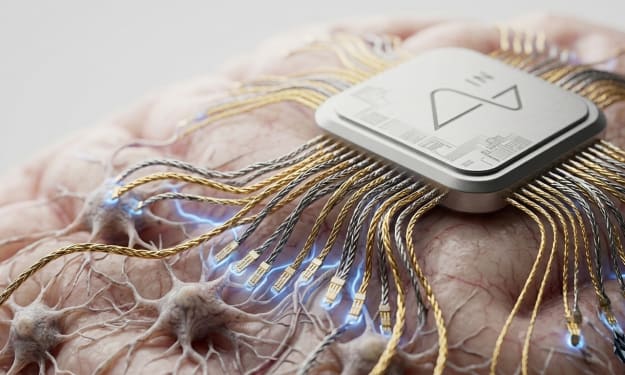
Neural Implants and Brain-Computer Interfaces: Companies like Neuralink, founded by Elon Musk, are developing brain-computer interfaces that could allow humans to communicate directly with machines, restore lost sensory functions, and even enhance memory or cognitive abilities. Imagine downloading a new skill directly into your brain or communicating telepathically through a neural network. The possibilities are both thrilling and unsettling.
AI-Driven Prosthetics and Augmentation: Advances in robotics and AI have led to the development of prosthetics that are not just functional but superior to natural limbs. These devices can be controlled by thought, provide sensory feedback, and even enhance physical performance. For example, the "Hero Arm" is a bionic prosthetic that allows users to perform delicate tasks like playing the piano or holding a glass of water. But as these technologies become more advanced, the line between humans and machines begins to blur.
The Ethical Dilemma
However, with great power comes great responsibility. Critics of transhumanism warn of the ethical pitfalls that accompany such advancements. Who gets access to these technologies? Will they deepen existing inequalities, creating a divide between the enhanced and the unenhanced? And perhaps most importantly, what happens to our sense of identity when we can alter our bodies and minds at will? These questions challenge us to consider not just what we can do, but what we should do.
Access and Inequality: The cost of cutting-edge technologies like gene editing and neural implants is currently prohibitive for most people. This raises the specter of a future where only the wealthy can afford to enhance themselves, creating a new class of "superhumans" who are healthier, smarter, and more capable than the rest of society. This could exacerbate existing social and economic inequalities, leading to a dystopian divide between the enhanced and the unenhanced.
Identity and Authenticity: If we can alter our bodies and minds at will, what does it mean to be human? Will we lose touch with our natural selves, or will we embrace a new, post-human identity? Philosophers and ethicists have long debated the concept of authenticity in the context of transhumanism. If you can upload your consciousness to a computer or replace your biological organs with synthetic ones, are you still you? These questions strike at the heart of what it means to be human.
Unintended Consequences: History is littered with examples of well-intentioned technologies that had unforeseen consequences. What if gene editing leads to unintended mutations or neural implants are hacked, leaving users vulnerable to cyberattacks? The risks of transhumanism are as profound as its promises, and we must tread carefully to avoid catastrophic outcomes.
The Future of Humanity
As we navigate this brave new world, one thing is clear: The evolution of transhumanism is not just about technology—it’s about humanity. It forces us to confront our values, our fears, and our aspirations. Whether we embrace these changes or resist them, the journey ahead will redefine what it means to be human. And in that redefinition, we may discover not just new possibilities for our species, but new responsibilities as well.
A Collaborative Future: The future of transhumanism doesn’t have to be a zero-sum game. By fostering collaboration between scientists, ethicists, policymakers, and the public, we can ensure that these technologies are developed and deployed in a way that benefits all of humanity. Open dialogue and inclusive decision-making will be key to navigating the ethical and social challenges of transhumanism.
The Role of Art and Culture: As we grapple with the implications of transhumanism, art and culture will play a crucial role in shaping our understanding of these changes. Science fiction, for example, has long explored the themes of human enhancement and post-humanity, offering both cautionary tales and hopeful visions. Works like Blade Runner, Ghost in the Shell, and Westworld challenge us to think critically about the future we’re creating.
A New Definition of Humanity: Ultimately, transhumanism invites us to reconsider what it means to be human. Is humanity defined by our biology, or by our capacity for creativity, empathy, and growth? As we push the boundaries of what’s possible, we may discover that the essence of humanity lies not in our limitations, but in our ability to transcend them.
About the Creator
Pure Crown
I am a storyteller blending creativity with analytical thinking to craft compelling narratives. I write about personal development, motivation, science, and technology to inspire, educate, and entertain.
Keep reading
More stories from Pure Crown and writers in Futurism and other communities.
Keep Dreaming Big:
Keep Dreaming Big: Your Ideas Can Light Up 2025 and Beyond Hey, you! Yeah, you—the one with that glimmer in your eye and a mind bubbling with dreams. It’s February 27, 2025, and the world’s practically bursting with wild wonders: sleek robots weaving through crowded parks, picking up trash with a cheerful beep; holograms flickering in classrooms, teaching kids about ancient Rome like they’re strolling the Colosseum; and billboards flashing ads for lunar vacations, promising moon-dust souvenirs. Pretty cool, huh? But here’s the real magic: you’ve got ideas simmering in your head that could shine just as bright—maybe brighter. Don’t let this fast-moving future intimidate you, friend. Your dreams are the fuel for what’s next, and I’m here to cheer you on every step of the way.
By Pure Crownabout a year ago in Futurism
Neuralink: The Dawn of the Connected Mind or the Death of Private Thought?
The Last Frontier of Privacy For centuries, the human mind has been the only truly private place left on Earth. You can hide your browser history, you can encrypt your messages, and you can wear a mask in public. But your thoughts? Those were yours alone. No algorithm could touch them, and no surveillance camera could see them.
By Priyantha Wijethungaabout 6 hours ago in Futurism
Best Email Marketing Strategies for 2026: The Inbox Guide
In the digital landscape of 2026, we are living through the "Great Algorithm Fatigue." Social media platforms have become unpredictable, and AI-powered search engines often summarize website content so effectively that users never actually click through to the source.
By Digistir3602 days ago in Futurism



Comments
There are no comments for this story
Be the first to respond and start the conversation.