
The Environmental Impact of Technology: The Advantages and Drawbacks
Can progress and the planet coexist in a tech-driven world?

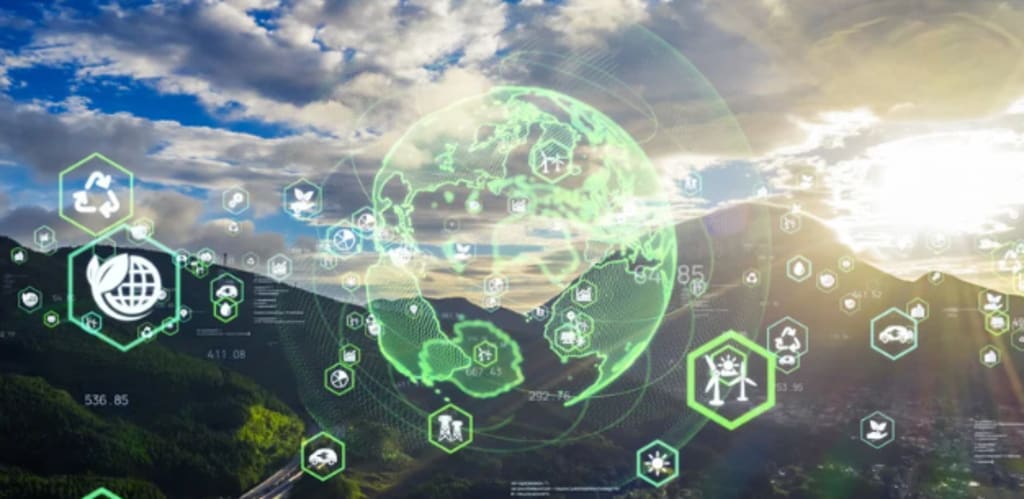
The Environmental Impact of Technology: The Advantages and Drawbacks
By Diamond
Technology has transformed nearly every aspect of modern life — from how we communicate to how we work and tackle global challenges. While it has become a key driver of progress, technology also poses serious threats to the environment. Understanding both the benefits and the drawbacks is essential for building a sustainable future.
Advantages of Technology for the Environment
Though often criticized, technology has contributed significantly to environmental protection and sustainability.
1. Renewable Energy Solutions
Solar, wind, and hydroelectric power are among the clean technologies helping reduce reliance on fossil fuels. Advances in energy storage and smart grid systems have made renewables more reliable, lowering greenhouse gas emissions on a global scale.
2. Environmental Monitoring and Data Analysis
Technologies like satellites, sensors, and artificial intelligence are used to track deforestation, monitor wildlife, and analyze weather patterns. This data helps policymakers respond more effectively to environmental threats and natural disasters.
3. Smart Cities and Sustainable Infrastructure
Smart city innovations — such as energy-efficient lighting, intelligent traffic systems, and waste management solutions — help reduce urban carbon footprints. Green building materials and energy-saving designs also contribute to more eco-friendly living spaces.
4. Modern Waste Management
Technological advancements have improved recycling through automated sorting systems and the development of biodegradable packaging. Waste-to-energy plants further help reduce landfill use and convert waste into useful energy.
5. Sustainable Agriculture
Precision farming tools like GPS mapping, drones, and soil sensors help farmers use water, fertilizer, and pesticides more efficiently. This leads to higher crop yields, reduced environmental impact, and better food security.
Environmental drawback of Technology
Despite the many benefits, technology has also contributed to several environmental issues.
1. E-Waste Crisis
Rapid tech turnover and short device lifespans have led to a surge in electronic waste. Many old gadgets end up in landfills, leaking harmful substances into the soil and water.
2. Energy-Intensive Operations
Data centers, cryptocurrency mining, and electronics manufacturing consume massive amounts of electricity — often powered by fossil fuels. These activities contribute to greenhouse gas emissions and cl
3. Destructive Extraction of Resources
Producing electronics requires rare minerals like lithium and cobalt, often extracted through environmentally destructive methods. These mining activities can harm ecosystems and raise human rights concerns in vulnerable regions.
4. Overconsumption and Planned Obsolescence
Tech companies frequently release new products with limited lifespans, encouraging consumers to upgrade regularly. This "throwaway" culture increases waste and accelerates resource depletion.
5. Pollution and Habitat Disruption
Urban development and transportation technologies can cause noise, light, and chemical pollution. These disruptions affect animal migration, breeding, and natural behaviors.
Moving Toward Sustainable Technology
Balancing the benefits of technology with environmental concerns requires intentional and responsible action.
Design for Longevity: Create devices that are repairable and durable to reduce waste.
Adopt Circular Economy Practices: Encourage recycling, refurbishing, and reselling instead of discarding.
Support Green Innovation: Invest in technologies that minimize environmental harm and use energy efficiently.
Strengthen Regulations: Enforce environmental standards for manufacturers and support ethical e-waste disposal.
Raise Public Awareness: Educate users on how to make environmentally responsible tech choices.
Conclusion
Technology can be a powerful tool for environmental change — for better or worse. While it offers solutions to many ecological challenges, it also contributes to pollution, overconsumption, and resource strain. The goal shouldn’t be to halt innovation, but to guide it with sustainability in mind. By making conscious choices, holding industries accountable, and embracing greener technologies, we can ensure that technology serves both people and the planet.
AI Disclosure
This article was written with the assistance of AI to support research, grammar correction, and editing. All content has been reviewed and finalized by the author, Diamond.
About the Creator
About Binding Prometheus
I want to start actively advocating on behalf of my own work, and the most valuable part of my canon is, without a doubt, Binding Prometheus, the play I have been working on since 2019 and only finished in 2023 as part of my MA. The play itself is an amalgamation of a million different inspirations. On one end, it evokes the Ancient Greek myth-play, deriving its own title from the earliest extant work of Western drama we have, Aeschylus’s Prometheus Bound. On the other end, it borrows significantly from the sci-fi bulwarks from over the years, namely Mary Shelley’s Frankenstein and Karel Capek’s Rossum’s Universal Robots. The play could be an episode of Black Mirror, I fear. I don’t know. I’ve only ever seen one episode of Black Mirror.
By Steven Christopher McKnight25 days ago in Futurism
Saudi Arabia Digital Weighing Scale Market Analysis: Key Players and Market Forecast
According to IMARC Group's latest research publication, Saudi Arabia digital weighing scale market size reached USD 84.37 Million in 2024. The market is projected to reach USD 140.26 Million by 2033, exhibiting a growth rate of 5.81% during 2025-2033.
By Abhay Rajput5 days ago in Futurism



Comments
There are no comments for this story
Be the first to respond and start the conversation.