
The Dangers of AI: Separating Fact from Fiction
Our Future with Ai.

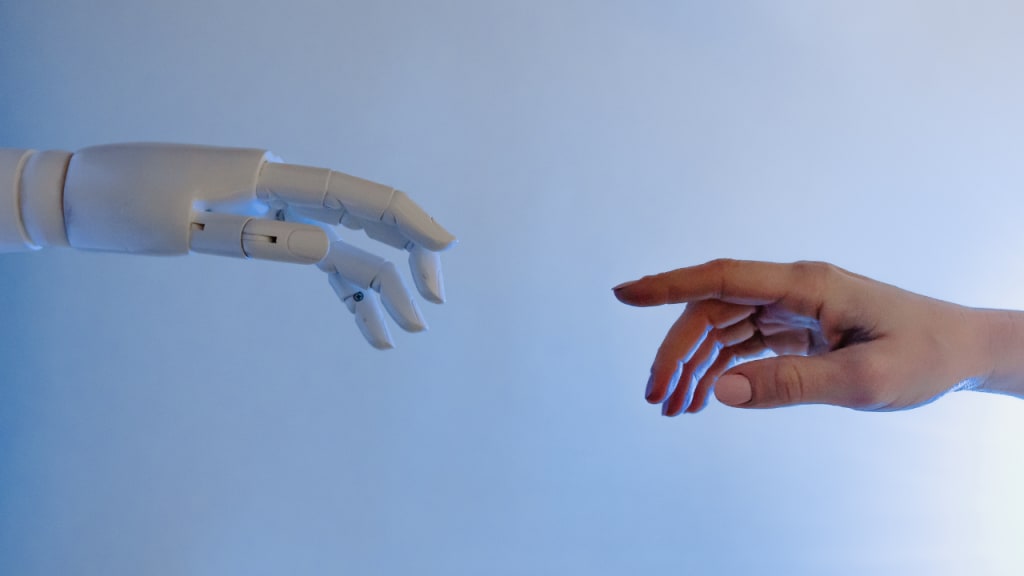
In the fast-paced digital landscape of the 21st century, artificial intelligence (AI) has emerged as a groundbreaking technology that continues to shape various industries. From self-driving cars to virtual assistants, AI has become an integral part of our daily lives. However, as with any powerful tool, there are inherent dangers and risks associated with its implementation. In this article, we delve into the topic of AI dangers, separating fact from fiction, and explore the potential ramifications of this transformative technology.
1. Ethical Considerations in AI Development
One of the foremost concerns surrounding AI is its ethical implications. As AI systems become increasingly sophisticated, questions arise regarding their decision-making capabilities and potential biases. It is crucial to ensure that AI algorithms are designed to uphold ethical standards and do not perpetuate discrimination or reinforce existing societal inequalities. Developers must prioritize transparency and accountability, allowing for human oversight and intervention when necessary.
2. Job Displacement and Economic Impact
The rise of AI has sparked discussions about the potential impact on the job market. While it is true that certain tasks previously performed by humans may be automated, history has shown that technological advancements often lead to the creation of new jobs and industries. As AI takes over mundane and repetitive tasks, it frees up human workers to focus on higher-level responsibilities that require creativity, critical thinking, and emotional intelligence. Adapting to this changing landscape is essential, and investing in education and training programs can help individuals transition into new roles.
3. Privacy and Data Security
The proliferation of AI technology necessitates the collection and analysis of vast amounts of data. This raises concerns about privacy and data security. It is imperative for organizations to adopt stringent measures to protect user information and ensure compliance with relevant data protection regulations. Encryption, secure storage, and robust access controls should be implemented to safeguard sensitive data from unauthorized access or breaches. Additionally, establishing clear policies and obtaining user consent for data usage can help build trust and maintain user privacy.
4. Lack of Human Interaction and Emotional Connection
While AI systems are capable of mimicking human-like interactions, they still lack the emotional depth and intuitive understanding that humans possess. This limitation can have profound implications, particularly in domains where empathy and human connection are crucial, such as healthcare and counseling. It is important to strike a balance between AI-driven automation and maintaining the human touch in areas where emotional support and understanding are essential.
5. Bias and Discrimination in AI Systems
AI algorithms are only as unbiased as the data they are trained on. If the training data contains inherent biases or reflects societal prejudices, the AI system can inadvertently perpetuate and amplify such biases. To address this issue, developers must carefully curate training data and implement measures to detect and mitigate bias in AI systems. Regular audits and diversity in the development teams can help identify and rectify any biases that may arise.
6. Potential for Malicious Use
As with any technology, AI has the potential for malicious use by individuals or organizations with nefarious intentions. From deepfake videos to AI-powered cyber attacks, the misuse of AI can pose significant threats to security, privacy, and societal trust. It is crucial for policymakers and industry leaders to collaborate in establishing guidelines, regulations, and safeguards to prevent the misuse of AI and hold those responsible for malicious actions accountable.
Conclusion
Artificial intelligence holds immense promise in transforming various aspects of our lives, from improving efficiency to driving innovation. However, it is important to recognize and address the potential dangers and risks associated with its deployment. By prioritizing ethics, privacy, human interaction, and unbiased development, we can harness the power of AI while mitigating its potential negative consequences. Through responsible and informed implementation, we can navigate the ever-evolving landscape of AI
About the Creator
Mako Ashford
Passionate writer exploring impactful topics to inspire and connect with readers. Let's explore together!
Keep reading
More stories from writers in Futurism and other communities.
About Binding Prometheus
I want to start actively advocating on behalf of my own work, and the most valuable part of my canon is, without a doubt, Binding Prometheus, the play I have been working on since 2019 and only finished in 2023 as part of my MA. The play itself is an amalgamation of a million different inspirations. On one end, it evokes the Ancient Greek myth-play, deriving its own title from the earliest extant work of Western drama we have, Aeschylus’s Prometheus Bound. On the other end, it borrows significantly from the sci-fi bulwarks from over the years, namely Mary Shelley’s Frankenstein and Karel Capek’s Rossum’s Universal Robots. The play could be an episode of Black Mirror, I fear. I don’t know. I’ve only ever seen one episode of Black Mirror.
By Steven Christopher McKnight23 days ago in Futurism
Wood and Timber Products Market Size and Forecast 2025–2033: Sustainable Growth Shapes a Trillion-Dollar Industry
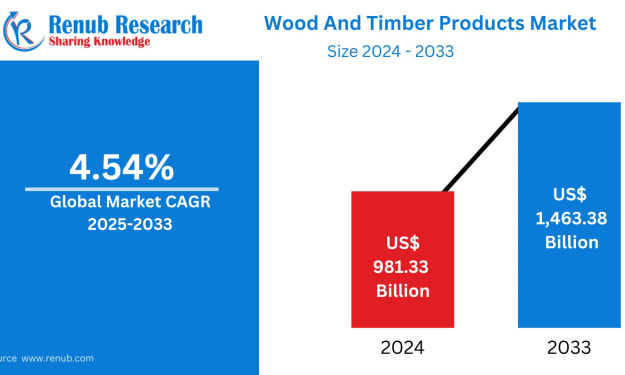
Global Wood and Timber Products Market Outlook The global Wood and Timber Products Market is undergoing a steady transformation as sustainability, urbanization, and infrastructure development reshape material choices worldwide. According to Renub Research, the market is expected to grow from US$ 981.33 billion in 2024 to US$ 1,463.38 billion by 2033, expanding at a CAGR of 4.54% from 2025 to 2033.
By Janine Root 5 days ago in Futurism
My New Book is Finally Here
My poetry collection Beautiful and Brutal Things is done. It's actually done and finally published over 270 pages. Over a year of my life went into this book. More than a year, really. Long days at my computer, sometimes seven days a week because I couldn't stop even when I probably should have. Then two months of editing that felt harder than the writing itself. But it's finished, and I'm still standing, and the book is real.
By Tim Carmichael7 days ago in BookClub



Comments
There are no comments for this story
Be the first to respond and start the conversation.