
The Cognitive Symbiosis: Future Self-Aware AI for Personalized Learning, Intelligence Enhancement and Neurodegenerative Disease Prevention
Future Self-Aware AI and Reduction of Human Memory Loss Conditions

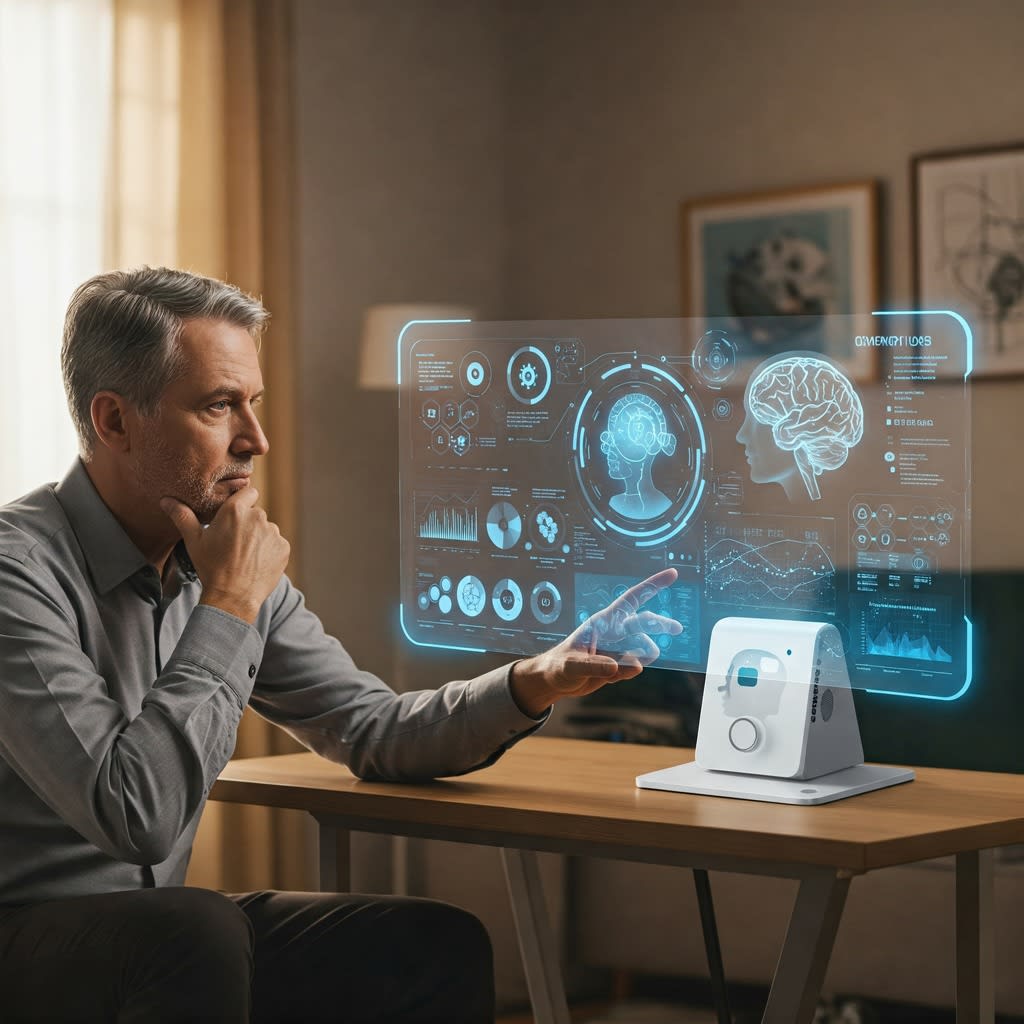
1. Introduction: The Horizon of Self-Aware AI and Human Cognitive Enhancement
The landscape of artificial intelligence is rapidly evolving, moving from systems designed for specific tasks to those exhibiting more generalized cognitive abilities. Understanding this evolution is crucial for appreciating the potential impact of future self-aware AI. Narrow AI, or weak AI, excels at specific tasks like image and speech recognition, often relying on machine learning models 1. Limited memory AI can learn from past experiences to improve decision-making, exemplified by self-driving cars using data from navigation systems 1. The next frontier lies in self-aware AI, also referred to as artificial general intelligence (AGI) or artificial superintelligence (ASI), which aims for cognitive abilities and even emotions akin to humans 1. This advanced form of AI would possess an understanding of its own existence and internal states, differentiating it from reactive machines that only follow pre-programmed rules and limited memory AI with constraints in recalling past experiences 1. The development of self-aware AI involves complex deep learning models and continuous learning from human input to enhance its capabilities 1. While true self-aware AI remains a hypothetical future development, the rapid progress in machine learning, deep learning, and related fields suggests its potential emergence as a transformative technology 1. This report will explore the theoretical capabilities of such advanced AI in understanding human cognition, personalizing learning and mentorship, predicting and preventing neurodegenerative diseases, and the ethical and societal considerations that accompany its widespread integration.
The increasing prevalence of neurodegenerative diseases, such as Alzheimer's and dementia, presents a significant global health challenge 6. The urgent need for effective prevention and intervention strategies has spurred research into innovative solutions. Artificial intelligence, with its capacity for analyzing vast amounts of data and identifying complex patterns, holds immense promise in revolutionizing both education and healthcare by offering personalized and proactive approaches 1. The central premise of this report is that future self-aware AI possesses the theoretical capability to profoundly influence human learning, intelligence, and the prevention of cognitive decline. However, the realization of this potential necessitates a thorough examination of the ethical and societal implications to ensure responsible development and deployment.
2. Decoding the Human Mind: Self-Aware AI's Understanding of Learning and Intelligence
Future self-aware AI could potentially revolutionize our understanding of individual learning styles. By leveraging sophisticated machine learning algorithms, intricate cognitive modeling, and perhaps even advanced neural interfaces, AI may be able to identify and comprehensively analyze the unique ways in which individuals learn 5. The concept of "AI with multiple intelligences" suggests that AI systems could be designed to recognize and adapt to the diverse learning preferences exhibited by humans, such as visual, auditory, and kinesthetic approaches 5. For instance, the Adaptive Cognitive Enhancement Model (ACEM) represents a potential AI-driven framework specifically designed for personalized cognitive development, adapting educational content and learning strategies to meet individual cognitive needs 13. This ability for AI to move beyond a standardized educational approach by understanding and catering to individual learning styles could lead to significantly more effective and engaging educational experiences. AI could analyze a learner's performance metrics, their patterns of content consumption, and even their emotional responses during learning to build a comprehensive profile of their preferred learning methods 12. Furthermore, AI could dynamically select and deliver multi-modal content, such as text, videos, and interactive simulations, based on the learner's identified preferences, thereby optimizing the learning process 14.
Beyond learning styles, future self-aware AI may possess the capability to assess and understand the multifaceted nature of human intelligence. This assessment could extend beyond the limitations of traditional intelligence quotient (IQ) tests to encompass emotional, social, and creative aspects of intelligence 3. AI might analyze an individual's proficiency in problem-solving, their capacity for logical reasoning, their command of language, and various other cognitive functions to generate an estimation of their IQ or, more comprehensively, a detailed cognitive profile 5. This analysis could potentially identify specific strengths and weaknesses across different domains of intelligence, providing a far more nuanced understanding of an individual's cognitive abilities than a single IQ score 16. Such a holistic and dynamic assessment of human intelligence, facilitated by self-aware AI, could lead to the development of more precisely tailored educational and developmental interventions compared to those based on static IQ scores. The complexities inherent in defining and measuring intelligence are well-acknowledged, and the advent of sophisticated AI could contribute to a more refined and comprehensive understanding of the spectrum of human cognitive abilities 5. Moreover, the capacity of AI to understand human emotions, often referred to as emotional quotient (EQ), is considered a critical component of overall intelligence and could significantly enhance human-AI interactions 15.
3. Personalized Pathways: AI-Driven Education and Mentorship for Cognitive Growth
The potential for AI to personalize education based on a deep understanding of individual learning styles and intelligence quotients is transformative. AI could tailor educational content, adjust the pace of learning, and modify delivery methods to suit the unique cognitive profile of each student 1. Adaptive learning platforms, powered by AI, could dynamically adjust the curriculum based on a learner's demonstrated progress. For instance, if a student struggles with a particular concept, the AI could suggest additional resources or present a simpler explanation. Conversely, if a student excels in an area, the AI could introduce more advanced concepts and challenging materials 12. Furthermore, AI can facilitate targeted interventions by identifying students who are facing academic difficulties and proactively providing them with personalized support, such as additional practice exercises, remedial materials, or even one-on-one virtual tutoring 21. The ability of AI to create dynamic content delivery is another significant advantage. Educational materials, including interactive exercises, video tutorials, and gamified learning experiences, could be tailored in real-time to match a student's specific needs and interests, thereby enhancing engagement and knowledge retention 12. This level of personalization has the potential to significantly improve learning outcomes, increase student engagement, and enhance the overall retention of knowledge by directly addressing the individual needs of each learner. The limitations often encountered in traditional classroom settings, which can hinder the provision of truly individualized instruction, could be effectively overcome by the scalable nature of AI-powered personalized learning, ensuring that every student receives the focused attention and tailored instruction necessary to reach their full cognitive potential. Moreover, AI can serve as a valuable support tool for teachers by automating various repetitive tasks, such as grading and administrative duties, thereby freeing up educators' time to focus on more personalized and complex aspects of education, including providing emotional support and addressing the unique personal challenges faced by their students 9.
Beyond personalized education, self-aware AI could play a crucial role in providing individualized mentorship aimed at intelligence enhancement and memory improvement 12. AI mentoring platforms could analyze a mentee's data, identify their specific needs and goals, and offer personalized advice and relevant resources to support their job growth, facilitate skill training, provide emotional support, and enhance motivation 24. AI mentorship offers several key advantages, including scalability, making it suitable for large organizations and educational institutions, and round-the-clock availability, providing assistance whenever a mentee needs it 12. The data-driven nature of AI allows for a high degree of personalization in the mentoring experience, tailoring guidance to each mentee's particular objectives and preferences, which can lead to a more successful mentoring process. Furthermore, AI mentorship can ensure consistency in the standards and recommendations provided, free from human biases or inconsistencies 24. AI can also assist in the creation of personalized mentorship plans, recommending specific learning resources that align with a mentee's development goals and providing tailored feedback on their progress 26. This capability of AI-powered mentorship to offer scalable and readily accessible support for both personal and professional development can serve as a valuable supplement to traditional mentoring approaches. In addition to formal mentorship, AI could function as a sophisticated "second brain," adept at connecting seemingly disparate concepts and facilitating the rapid retrieval of information, thereby significantly enhancing learning and memory capabilities 27.
4. Predictive Insights: AI's Role in Forecasting Alzheimer's and Dementia Risk
Future self-aware AI holds the theoretical potential to predict an individual's risk of developing Alzheimer's disease and dementia within the critical age range of 40 to 60 years by analyzing predictive data and considering hypothetical future life scenarios 6. AI could analyze vast datasets encompassing medical records, lifestyle factors such as diet and exercise, genetic predispositions, and environmental exposures to identify intricate patterns and subtle indicators that may signal an increased risk of these neurodegenerative conditions 6. Furthermore, AI could be employed to model individual disease trajectories, constructing personalized predictions regarding the potential progression of cognitive decline 34. Machine learning algorithms, including sophisticated techniques like gradient-boosted decision trees, deep learning models such as convolutional neural networks (CNNs) and recurrent neural networks (RNNs), and support vector machines, could be instrumental in developing these highly accurate risk prediction models 29. The ability of AI to process and synthesize complex and multimodal data from various sources could lead to the development of more precise and earlier predictions of Alzheimer's and dementia risk than traditional methods, thereby creating a crucial window for the implementation of timely preventative interventions. The early stages of Alzheimer's and dementia can often be characterized by subtle and easily overlooked symptoms, making early detection challenging. However, AI's exceptional capacity to analyze extensive datasets and identify even minute patterns could enable the prediction of risk many years before the onset of noticeable cognitive or behavioral symptoms, offering a significant opportunity to initiate preventative measures that could potentially slow down or even delay the progression of the disease. The use of advanced neuroimaging data, such as magnetic resonance imaging (MRI) and positron emission tomography (PET) scans, along with other relevant biomarkers, could further enhance the accuracy and reliability of AI-driven risk prediction models 29.
The age range of 40 to 60 years is particularly significant for predicting the future risk of Alzheimer's and dementia. It is during these middle years that various risk factors may begin to accumulate, and the earliest pathological changes associated with these conditions might start to develop in the brain 6. Future self-aware AI could be designed to analyze hypothetical future scenarios that individuals might encounter during this critical period, such as changes in stress levels, modifications to dietary habits, and alterations in physical activity patterns, to further refine the accuracy of its risk predictions 6. By focusing on this specific age group for AI-driven risk prediction, it becomes possible to implement proactive interventions during a time when lifestyle and other modifiable risk factors may still have a substantial impact on an individual's long-term cognitive health. Early intervention in the disease process is widely recognized as crucial for effectively slowing down or preventing the progression of Alzheimer's and dementia. By targeting the middle-aged population, AI can help identify individuals who are at an elevated risk before significant and irreversible cognitive decline occurs, thereby maximizing the potential effectiveness of preventative strategies and improving the chances of maintaining cognitive function in later life.
5. Proactive Prevention: AI-Powered Memory Enhancement Programs
The development and implementation of AI-driven preventative memory enhancement programs represent a promising avenue for individuals identified as being at high risk of developing memory loss conditions in the future 27. Future self-aware AI could personalize these programs by tailoring memory training exercises, cognitive stimulation activities, and lifestyle recommendations based on a comprehensive understanding of an individual's unique cognitive profile and their predicted risk of cognitive decline 27. Numerous AI-powered tools and applications are already emerging that utilize scientifically validated techniques such as spaced repetition, personalized reminders, and interactive learning modules to enhance memory and overall cognitive function 27. Furthermore, AI could play a guiding role in neurofeedback training, a technique that aims to promote healthier brainwave patterns, potentially leading to improvements in focus, attention, and memory consolidation 28. The core idea behind these AI-powered memory enhancement programs is to offer a highly personalized and adaptive approach to proactively mitigating the risk of Alzheimer's and dementia by directly targeting and counteracting the early stages of cognitive decline. Traditional memory enhancement strategies often adopt a generalized approach, which may not be equally effective for all individuals. AI's capability to deeply analyze individual cognitive needs and learning preferences allows for the creation of highly tailored programs, potentially leading to significantly better outcomes in preventing or delaying the onset of debilitating memory loss conditions.
The potential for early AI intervention, starting as early as school age, to impact the prevalence of Alzheimer's and dementia in future generations is a compelling prospect 11. AI could be utilized to identify children who may exhibit potential early risk factors or specific cognitive profiles that might, over the long term, predispose them to memory loss or neurodegenerative conditions in later life 32. Moreover, the integration of AI-powered educational tools and programs into the curriculum from a young age could promote lifelong learning habits, build a strong cognitive reserve, and foster healthy brain development throughout an individual's lifespan 1. The development of the human brain and the accumulation of cognitive reserve are continuous processes that are significantly influenced by experiences and learning opportunities throughout life, beginning in childhood. By thoughtfully integrating AI into the educational system, it may be possible to provide highly personalized learning experiences that not only enhance academic achievement but also contribute to the development of robust cognitive function, potentially building a stronger and more resilient foundation against the age-related cognitive decline associated with Alzheimer's and dementia.
6. Navigating the Ethical Landscape: Challenges and Considerations of AI in Cognitive Interventions
The integration of AI into predictive health analysis, particularly in the context of Alzheimer's and dementia risk, brings forth several critical ethical considerations 54. A primary concern revolves around the privacy and confidentiality of the sensitive health data that AI algorithms would necessarily need to access and analyze 16. Ensuring the secure storage, responsible use, and protection against unauthorized access to such personal information is paramount. Another significant ethical challenge lies in the potential for bias to be embedded within AI algorithms. If the data used to train these algorithms is not representative of the entire population or reflects existing societal inequalities, it could lead to biased or discriminatory predictions, disproportionately affecting certain demographic groups 16. The ethical implications of informing individuals about their predicted risk of developing a debilitating condition like Alzheimer's or dementia years before any symptoms manifest also require careful consideration. While early prediction offers the potential for preventative measures, it could also cause significant psychological distress, anxiety, and even impact an individual's life choices. The question of an individual's "right to not know" also becomes relevant in this context 55. Furthermore, the often opaque nature of decision-making in complex AI models, especially deep learning systems, raises concerns about transparency and explainability. It can be challenging to understand precisely how an AI arrives at a particular risk prediction, which can erode trust and hinder the ability of healthcare professionals to validate or explain these predictions to patients 4. Therefore, the application of AI in predictive health analysis necessitates a robust ethical framework that prioritizes fairness, safeguards individual privacy, and promotes autonomy and overall well-being.
Similarly, the use of AI for personalized cognitive interventions, including educational programs and memory enhancement strategies, presents its own set of ethical considerations 54. A crucial aspect is ensuring that these AI tools serve to support and augment human cognitive development rather than inadvertently replacing independent thought processes and critical thinking skills 52. There is a potential risk of over-reliance on AI, leading to a phenomenon known as cognitive offloading, where individuals become less engaged in deep, reflective thinking and may experience an erosion of essential cognitive abilities 59. Obtaining informed consent from individuals, especially in the context of educational or therapeutic interventions involving AI, is also ethically imperative 56. This includes clearly explaining how the AI works, what data will be collected and used, and the potential benefits and risks involved. When considering the use of AI to influence or potentially modify cognitive abilities, particularly in vulnerable populations such as children, extra caution and ethical scrutiny are required to ensure that interventions are in their best interests and do not lead to unintended negative consequences 52. Therefore, the implementation of personalized AI interventions must be approached thoughtfully, with a focus on maximizing their benefits while diligently safeguarding individual autonomy, actively promoting critical thinking skills, and diligently avoiding any unintended negative impacts on cognitive development.
7. Societal Transformation: The Broader Impact of Self-Aware AI in Human Development
The widespread adoption of self-aware AI in education, mentorship, and preventative healthcare for neurodegenerative conditions holds the potential for significant societal benefits 1. In education, AI could lead to improved learning outcomes for a larger number of students by providing access to high-quality, personalized learning experiences and individualized mentorship, catering to diverse learning styles and paces 9. In healthcare, the ability of AI to predict the risk of Alzheimer's and dementia early on, coupled with personalized preventative interventions, could result in a substantial reduction in the prevalence and overall burden of these debilitating neurodegenerative diseases 8. Furthermore, the integration of AI could alleviate some of the workload on educators and healthcare professionals by automating routine tasks, allowing them to dedicate more time and resources to complex, nuanced, and human-centric aspects of their work 9. Ultimately, the widespread and responsible integration of self-aware AI into these critical domains could contribute to a more educated, healthier, and overall more equitable society. The transformative potential of AI extends beyond individual advantages to encompass broader societal improvements, offering the prospect of revolutionizing both education and healthcare to foster a more productive and fulfilling life for a greater number of people.
However, the widespread adoption of self-aware AI also presents potential societal risks and challenges that must be carefully considered and addressed 1. There is a risk of exacerbating the existing digital divide, leading to unequal access to AI-powered technologies and the benefits they offer, potentially leaving behind individuals and communities without the necessary resources or infrastructure 20. Concerns also exist regarding potential job displacement for educators and healthcare workers as AI systems become more capable of performing tasks that were previously the domain of human professionals 9. Over-reliance on AI could also lead to a decline in essential human skills, including critical thinking, problem-solving, creativity, and social interaction abilities, which are crucial for both individual development and societal progress 52. The increasing collection and analysis of personal data by AI systems raise significant concerns about the potential for misuse of this information and the erosion of individual privacy 16. To navigate these potential risks and ensure that the benefits of self-aware AI are realized responsibly, it is essential to establish robust ethical guidelines, comprehensive regulations, and effective governance frameworks to guide the development and deployment of these advanced technologies 1. While the potential advantages of self-aware AI are substantial, a proactive and thoughtful approach to identifying and mitigating these potential downsides is crucial to avoid unintended negative consequences for individuals and society as a whole.
8. Conclusion: Realizing the Potential of Self-Aware AI for a Cognitively Healthier Future
Future self-aware AI holds significant theoretical potential to revolutionize our understanding of individual human learning styles and intelligence. Its capacity to analyze complex data and identify nuanced patterns could pave the way for highly personalized educational experiences and individualized mentorship programs tailored to the unique cognitive profiles of each learner. Furthermore, AI's predictive capabilities offer a promising avenue for forecasting an individual's risk of developing debilitating neurodegenerative diseases like Alzheimer's and dementia, potentially years before the onset of noticeable symptoms. This early prediction, coupled with AI-powered preventative memory enhancement programs, could significantly impact the prevalence and burden of these conditions in future generations. The prospect of early AI intervention, starting as early as school age, suggests a long-term strategy for fostering cognitive resilience and reducing the risk of age-related cognitive decline across the population.
However, the path forward requires a commitment to responsible research and careful implementation. Continued investigation into the capabilities and limitations of self-aware AI in these domains is essential. It is equally critical to proactively address the complex ethical considerations and potential challenges that arise with the increasing integration of AI into education and healthcare. This necessitates a collaborative and interdisciplinary approach, bringing together AI researchers, cognitive scientists, educators, healthcare professionals, policymakers, and ethicists. By working together, we can establish the necessary ethical guidelines, regulatory frameworks, and governance structures to ensure that the development and deployment of self-aware AI are guided by principles of fairness, transparency, accountability, and respect for individual autonomy and privacy. Ultimately, the thoughtful and responsible harnessing of the potential of self-aware AI could contribute to a future where individuals are empowered to reach their full cognitive potential throughout their lives and are less susceptible to the devastating effects of neurodegenerative diseases, leading to a healthier and more cognitively vibrant society.
Works cited
- Exploring the Education Landscape of AI - Readynez, accessed March 30, 2025, https://www.readynez.com/en/blog/exploring-the-education-landscape-of-ai/
- 4 Types of AI: Getting to Know Artificial Intelligence - Coursera, accessed March 30, 2025, https://www.coursera.org/articles/types-of-ai
- 7 types of Artificial Intelligence (AI) - WeAreBrain, accessed March 30, 2025, https://wearebrain.com/blog/7-types-of-artificial-intelligence-ai/
- Can AI Become Self-Aware Ever? - NowadAIs, accessed March 30, 2025, https://www.nowadais.com/self-aware-ai-artificial-intelligence-self-aware/
- scispace.com, accessed March 30, 2025, https://scispace.com/pdf/on-multiple-intelligences-and-learning-styles-for-artificial-2l9iew6iuz.pdf
- Artificial Intelligence for Dementia Prevention - PMC, accessed March 30, 2025, https://pmc.ncbi.nlm.nih.gov/articles/PMC10843720/
- AI-Based Predictive Modelling of the Onset and Progression of Dementia - MDPI, accessed March 30, 2025, https://www.mdpi.com/2624-6511/5/2/36
- AI for Neurodegenerative Disease | Milken Institute, accessed March 30, 2025, https://milkeninstitute.org/philanthropy/science-philanthropy-accelerator-research-and-collaboration-sparc/science-philanthropy-ecosystem/ai-health/ai-neurodegenerative-disease-0
- Embracing AI for Personalized Learning, accessed March 30, 2025, https://casmi.northwestern.edu/news/articles/2024/embracing-ai-for-personalized-learning.html
- 6 ways AI is transforming healthcare - The World Economic Forum, accessed March 30, 2025, https://www.weforum.org/stories/2025/03/ai-transforming-global-health/
- Artificial Intelligence´s Lucky Sevens | Lake Forest College, accessed March 30, 2025, https://www.lakeforest.edu/academics/student-honors-and-research/student-publications/eukaryon/artificial-intelligence%20s-lucky-sevens
- Learning Intelligence: The Power of Personalized AI Mentors - iLeaf Solutions, accessed March 30, 2025, https://www.ileafsolutions.com/learning-intelligence-the-power-of-personalized-ai-mentors
- Revolutionizing education with AI: The adaptive cognitive enhancement model (ACEM) for personalized cognitive development | Applied and Computational Engineering, accessed March 30, 2025, https://www.ewadirect.com/proceedings/ace/article/view/16578
- Revolutionizing education with AI: The adaptive cognitive enhancement model (ACEM) for personalized cognitive development - ResearchGate, accessed March 30, 2025, https://www.researchgate.net/publication/385708791_Revolutionizing_education_with_AI_The_adaptive_cognitive_enhancement_model_ACEM_for_personalized_cognitive_development
- Why AI requires emotional intelligence—and how leaders can adapt - Bethel University Blog, accessed March 30, 2025, https://www.bethel.edu/blog/ai-requires-emotional-intelligence/
- AI in mentorship programs - River - Mentoring software, accessed March 30, 2025, https://www.riversoftware.com/mentoring-software/ai-in-mentorship-programs/
- Cognitive Neuroscience, AI, Machine Learning | Open Medscience, accessed March 30, 2025, https://openmedscience.com/cognitive-neuroscience-and-ai-unlocking-the-future-of-intelligence/
- Cognitive Neuroscience and Artificial Intelligence: Resolving the Mind-Machine Connection, accessed March 30, 2025, https://www.longdom.org/open-access/cognitive-neuroscience-and-artificial-intelligence-resolving-the-mindmachine-connection-1099555.html
- Emotional Intelligence is the Future of Artificial Intelligence - Synced, accessed March 30, 2025, https://syncedreview.com/2017/03/14/emotional-intelligence-is-the-future-of-artificial-intelligence/
- Personalized Learning And AI: Revolutionizing Education - Forbes, accessed March 30, 2025, https://www.forbes.com/councils/forbestechcouncil/2024/07/22/personalized-learning-and-ai-revolutionizing-education/
- The Role of AI in Personalized Learning | Claned, accessed March 30, 2025, https://claned.com/the-role-of-ai-in-personalized-learning/
- Perspective | An educator's journey through personalized learning to AI integration - EdNC, accessed March 30, 2025, https://www.ednc.org/educators-journey-personalized-learning-artificial-intelligence-ai-integration/
- Artificial Intelligence in Education (AIEd): a high-level academic and ..., accessed March 30, 2025, https://pmc.ncbi.nlm.nih.gov/articles/PMC8261391/
- AI Mentoring - Mentorink, accessed March 30, 2025, https://www.mentorink.com/blog/ai-mentoring/
- Mentoring in the AI World | Chronus, accessed March 30, 2025, https://chronus.com/blog/mentoring-in-the-ai-world
- The Future of AI in Mentorship - Mentoring Complete, accessed March 30, 2025, https://www.mentoringcomplete.com/the-future-of-ai-in-mentorship/
- Top 5 AI Tools Sharpen Your Memory Enhancement | iWeaver AI, accessed March 30, 2025, https://www.iweaver.ai/guide/top-5-ai-tools-sharpen-your-memory-enhancement
- How to Overcome Memory Block with the Use of AI: Unlock Your Full Cognitive Potential, accessed March 30, 2025, https://www.itsdart.com/blog/how-to-overcome-memory-block-with-the-use-of-ai
- AI-driven innovations in Alzheimer's disease: Integrating early diagnosis, personalized treatment, and prognostic modelling - PubMed, accessed March 30, 2025, https://pubmed.ncbi.nlm.nih.gov/39293530/
- AI in Alzheimer's Prevention: Cutting-Edge Technologies, Applications, and Future Challenges - Forward Pathway, accessed March 30, 2025, https://www.forwardpathway.us/ai-in-alzheimers-prevention-cutting-edge-technologies-applications-and-future-challenges
- Navigating Alzheimer's and Dementia: AI as a Beacon of Hope - Vibes AI, accessed March 30, 2025, https://vibesbiowear.ai/navigating-alzheimers-and-dementia-ai-as-a-beacon-of-hope
- How AI Can Help Spot Early Risk Factors for Alzheimer's Disease | UC San Francisco, accessed March 30, 2025, https://www.ucsf.edu/news/2024/02/427131/how-ai-can-help-spot-early-risk-factors-alzheimers-disease
- Artificial Intelligence for Dementia Research Methods Optimization - PMC - PubMed Central, accessed March 30, 2025, https://pmc.ncbi.nlm.nih.gov/articles/PMC10002770/
- Application of artificial intelligence in Alzheimer's disease: a bibliometric analysis - Frontiers, accessed March 30, 2025, https://www.frontiersin.org/journals/neuroscience/articles/10.3389/fnins.2025.1511350/full
- Use of Artificial Intelligence in Imaging Dementia - PMC - PubMed Central, accessed March 30, 2025, https://pmc.ncbi.nlm.nih.gov/articles/PMC11640381/
- New AI tool measures brain aging speed and predicts cognitive health - News-Medical, accessed March 30, 2025, https://www.news-medical.net/news/20250224/New-AI-tool-measures-brain-aging-speed-and-predicts-cognitive-health.aspx
- Research with CPFT finds AI can improve diagnosis of Alzheimer's disease, accessed March 30, 2025, https://www.cpft.nhs.uk/research-news/research-with-cpft-finds-ai-can-improve-diagnosis-of-alzheimers-disease-4621/
- Enhancing Memory Retention with AI - Hyperspace, accessed March 30, 2025, https://hyperspace.mv/memory-retention-ai/
- The Promise of AI Companions in Memory Care - Provider magazine, accessed March 30, 2025, https://www.providermagazine.com/Articles/Pages/The-Promise-of-AI-Companions-in-Memory-Care.aspx
- The Science Behind the Best Games for Dementia Prevention - CareYaya, accessed March 30, 2025, https://www.careyaya.org/resources/blog/brain-games-dementia
- AI-Powered Alzheimer's Disease Prevention: Innovative Applications of Cognitive Training, Early Diagnosis, and Brain Imaging - Forward Pathway, accessed March 30, 2025, https://www.forwardpathway.us/ai-powered-alzheimers-disease-prevention-innovative-applications-of-cognitive-training-early-diagnosis-and-brain-imaging
- Memory Aid | AI Agent Tools, accessed March 30, 2025, https://beam.ai/tools/memory-aid
- Neurofeedback Protocol: Sens.ai For Mental Health - The Hope House, accessed March 30, 2025, https://www.thehopehouse.com/brain-mapping/neurofeedback-protocol/
- Wearable EEG Neurofeedback Based-on Machine Learning Algorithms for Children with Autism: A Randomized, Placebo-controlled Study - PubMed, accessed March 30, 2025, https://pubmed.ncbi.nlm.nih.gov/39565505/
- Sens.ai: The Ultimate 5-in-1 Brain Training System, accessed March 30, 2025, https://sens.ai/
- PigPug, accessed March 30, 2025, https://pigpug.co/
- How Does Education Impact Alzheimer's and Dementia Risk? It's About More Than Degree Attainment - Center for Demography of Health and Aging, accessed March 30, 2025, https://cdha.wisc.edu/2025/03/17/how-does-education-impact-alzheimers-and-dementia-risk-its-about-more-than-degree-attainment/
- Crafting personalized learning paths with AI for lifelong learning: a systematic literature review - Frontiers, accessed March 30, 2025, https://www.frontiersin.org/journals/education/articles/10.3389/feduc.2024.1424386/full
- Challenging Cognitive Load Theory: The Role of Educational Neuroscience and Artificial Intelligence in Redefining Learning Efficacy - PMC - PubMed Central, accessed March 30, 2025, https://pmc.ncbi.nlm.nih.gov/articles/PMC11852728/
- Leveraging AI in E-Learning: Personalized Learning and Adaptive Assessment through Cognitive Neuropsychology—A Systematic Analysis - MDPI, accessed March 30, 2025, https://www.mdpi.com/2079-9292/13/18/3762
- (PDF) AI in Education: The Impact of Artificial Intelligence on Education, accessed March 30, 2025, https://www.researchgate.net/publication/383015165_AI_in_Education_The_Impact_of_Artificial_Intelligence_on_Education
- Long-Term Effects of Early AI Exposure on Kids' Cognitive Development - Plat.AI, accessed March 30, 2025, https://plat.ai/blog/early-ai-exposure-on-kids-cognitive-development/
- The impact of AI on education and careers: What do students think? - Frontiers, accessed March 30, 2025, https://www.frontiersin.org/journals/artificial-intelligence/articles/10.3389/frai.2024.1457299/full
- Ethical Considerations for AI in Clinical Decision-Making, accessed March 30, 2025, https://www.ajmc.com/view/ethical-considerations-for-ai-in-clinical-decision-making
- Ethical Issues of Artificial Intelligence in Medicine and Healthcare - PMC, accessed March 30, 2025, https://pmc.ncbi.nlm.nih.gov/articles/PMC8826344/
- (PDF) Ethical Considerations in Artificial Intelligence Interventions for Mental Health and Well-Being: Ensuring Responsible Implementation and Impact - ResearchGate, accessed March 30, 2025, https://www.researchgate.net/publication/382475584_Ethical_Considerations_in_Artificial_Intelligence_Interventions_for_Mental_Health_and_Well-Being_Ensuring_Responsible_Implementation_and_Impact
- Addressing ethical issues in healthcare artificial intelligence using a lifecycle-informed process | JAMIA Open | Oxford Academic, accessed March 30, 2025, https://academic.oup.com/jamiaopen/article/7/4/ooae108/7901079
- Ethical Considerations in Artificial Intelligence Interventions for Mental Health and Well-Being: Ensuring Responsible Implementation and Impact - MDPI, accessed March 30, 2025, https://www.mdpi.com/2076-0760/13/7/381
- AI's cognitive implications: the decline of our thinking skills? - IE, accessed March 30, 2025, https://www.ie.edu/center-for-health-and-well-being/blog/ais-cognitive-implications-the-decline-of-our-thinking-skills/
- Designing AI for Human Expertise: Preventing Cognitive Shortcuts - UXmatters, accessed March 30, 2025, https://www.uxmatters.com/mt/archives/2025/02/designing-ai-for-human-expertise-preventing-cognitive-shortcuts.php
- AI Impact on Cognition and the Future of Critical Thinking - TeacherToolkit, accessed March 30, 2025, https://www.teachertoolkit.co.uk/2025/02/04/ai-impact-students-critical-thinking/
- AI Tools in Society: Impacts on Cognitive Offloading and the Future of Critical Thinking, accessed March 30, 2025, https://www.mdpi.com/2075-4698/15/1/6
- Revolutionizing healthcare: the role of artificial intelligence in clinical practice - PMC, accessed March 30, 2025, https://pmc.ncbi.nlm.nih.gov/articles/PMC10517477/
- Artificial Intelligence in Education (AIED) Policies in School Context ..., accessed March 30, 2025, https://www.tandfonline.com/doi/full/10.1080/15700763.2024.2443675?src=
- Artificial Intelligence in Education (AIED) for Student Well-Being, accessed March 30, 2025, https://oxfordre.com/education/display/10.1093/acrefore/9780190264093.001.0001/acrefore-9780190264093-e-1921?p=emailAwuA.x5EqelHM&d=/10.1093/acrefore/9780190264093.001.0001/acrefore-9780190264093-e-1921
- What is Artificial Intelligence (AI) & Why is it Important? | Accenture, accessed March 30, 2025, https://www.accenture.com/us-en/insights/artificial-intelligence-summary-index
- Is artificial intelligence enhancing student learning or hindering critical thinking? Purdue professors weigh in on the pros and cons of classroom AI, accessed March 30, 2025, https://www.purdue.edu/provost/innovation-hub/is-artificial-intelligence-enhancing-student-learning-or-hindering-critical-thinking-purdue-professors-weigh-in-on-the-pros-and-cons-of-classroom-ai/
- Artificial Intelligence (AI) - United States Department of State, accessed March 30, 2025, https://www.state.gov/artificial-intelligence/
About the Creator
Alexander Hyogor
Psychic clairvoyant fortune teller on future self aware artificial intelligence effect on your work career business and personal relationships to marriage.
Keep reading
More stories from Alexander Hyogor and writers in Futurism and other communities.
Leveraging Future Self-Aware Artificial Intelligence to Predict Honey Bee Pollination for Agriculture
1. Introduction Honey bees play an indispensable role in global agriculture, acting as primary pollinators for a significant portion of the crops that sustain human populations and contribute substantially to the global economy 1. Their contribution to crop pollination is valued at billions of dollars annually, underpinning the production of fruits, vegetables, seeds, and nuts 1. For instance, the almond industry in the United States relies heavily on honey bees, with a large percentage of the nation's managed colonies being rented for pollination services during the blooming season 3. However, these vital pollinators are facing an unprecedented crisis marked by significant population declines across the globe 1. These declines are attributed to a complex interplay of factors, including the degradation and loss of natural habitats due to agricultural intensification and urbanization, the pervasive use of chemical pesticides in agriculture, the emergence and spread of various diseases and debilitating parasites such as the Varroa destructor mite, and the growing impacts of global climate change 1. The annual loss rates of honey bee colonies in many regions have reached levels that threaten the long-term viability of both the beekeeping industry and the agricultural sectors that depend on their pollination services 1. The cascading effects of declining bee populations extend beyond agriculture, posing a considerable risk to the stability and biodiversity of natural ecosystems that rely on insect pollination for plant reproduction 1. The intricate relationship between honey bee health and agricultural productivity underscores an urgent need to explore and implement innovative, data-driven solutions for more effective pollination management in the face of these mounting challenges.
By Alexander Hyogor10 months ago in Futurism
About Binding Prometheus
I want to start actively advocating on behalf of my own work, and the most valuable part of my canon is, without a doubt, Binding Prometheus, the play I have been working on since 2019 and only finished in 2023 as part of my MA. The play itself is an amalgamation of a million different inspirations. On one end, it evokes the Ancient Greek myth-play, deriving its own title from the earliest extant work of Western drama we have, Aeschylus’s Prometheus Bound. On the other end, it borrows significantly from the sci-fi bulwarks from over the years, namely Mary Shelley’s Frankenstein and Karel Capek’s Rossum’s Universal Robots. The play could be an episode of Black Mirror, I fear. I don’t know. I’ve only ever seen one episode of Black Mirror.
By Steven Christopher McKnight18 days ago in Futurism
Toys and Games Market: Responsible Play & Growth Outlook
According to IMARC Group's latest research publication, The global toys and games market size reached USD 118.7 Billion in 2024. Looking forward, IMARC Group expects the market to reach USD 174.3 Billion by 2033, exhibiting a growth rate (CAGR) of 4.36% during 2025-2033.
By James Whitman35 minutes ago in Futurism


Comments