
The AI Music Partner That Actually Feels Human
A New Kind of AI Music Tool

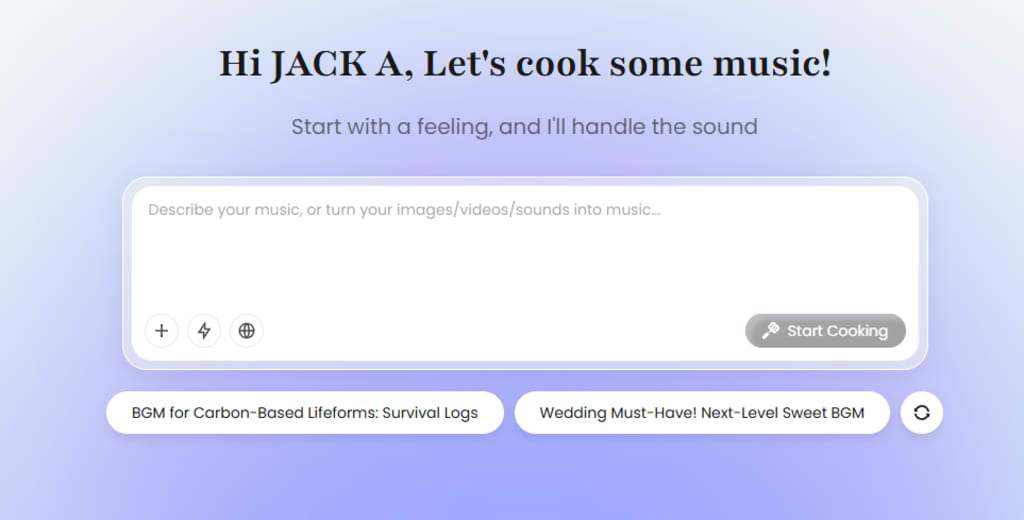
I’ve played around with many AI music tools before — Suno, Udio, even early prompt-based systems. They’re powerful, but often feel like “machines spitting out tracks.” Tunee is different. It feels less like a tool, and more like a creative partner.
Instead of just throwing prompts into a black box, you interact with an AI agent step by step. Every time you input an idea, Tunee generates three possible results for you to choose from. You, the creator, stay in charge of the core creative decisions, while the AI takes care of the heavy lifting.
This mirrors the way real songwriting works: you experiment, refine, and build — not just type a single command and hope for the best.
What Stood Out
- Conversational creation: Writing music by simply “talking” to the AI feels way more natural than crafting long prompts. A marketing professional said it gave them precise control when making ad background music — something Suno often struggles with.
- Cross-genre & cross-language power: I tested Japanese, Korean, Hindi lyrics, and Tunee delivered perfectly grammatical, professional-sounding results. Other users have noted how well it adapts to diverse styles, from horror game soundtracks to upbeat pop.
- Full workflow in one place: Beyond music generation, Tunee handles mastering and even MV creation. One user said uploading their Tunee-generated video to TikTok didn’t get suppressed, meaning the tool supports not just production but also distribution.
- AI as a partner, not a shortcut: The experience feels collaborative. One creator compared it to “chatting with AI to co-create a song,” not just auto-generating a track.
Real User Stories
I recently tried creating my own track on Tunee, and here’s how it went:
I gave the prompt — “A pop song that blends electronic music and R&B styles, sung in English and Japanese.”
Tunee’s response blew me away:
“That sounds like such a fresh and vibrant mix—your creative vision feels both global and deeply expressive. Let me suggest some ideas for your pop song blending electronic and R&B styles...”
It then offered me three creative directions:
1. Upbeat Fusion Anthem – high-energy synths, groovy bass, and alternating English/Japanese vocals for a true party vibe.
2. Smooth Electronic Ballad – mellow, atmospheric layers with soulful R&B melodies and heartfelt bilingual lyrics.
3. Dancefloor Romance – punchy beats, sultry harmonies, and a chorus that switches languages mid-song.
Honestly, I was impressed. The track didn’t just meet my expectations — it felt polished, expressive, and exactly in line with the vibe I had in mind.
And it’s not just me saying this. Other creators have also shared similar stories
- A lifelong music enthusiast said Tunee finally let them enter the field after years of giving up on FL Studio. For them, AI lowered the barrier so creativity could flow.
- A game developer highlighted how Tunee saved hours by generating scene-specific background tracks, avoiding endless library browsing.
- A film producer reported a 50% increase in production efficiency, with AI handling music like a true co-producer.
Where It Could Improve
No AI is perfect. Sometimes the output still needs polishing. If you’re looking for raw emotional imperfection — the kind only human musicians capture — Tunee can’t replace that. Also, like most advanced AI tools, there’s still sensitivity to how you guide it. Small changes in direction can lead to very different results.
My Verdict
If Suno and Udio opened the door to AI music, Tunee feels like stepping into the room itself. It’s not just about pressing a button and hoping for magic. It’s about partnership, iteration, and creativity with AI at your side.
And honestly? That’s the future. AI won’t erase human creativity — it will amplify it. With tools like Tunee, music stops being something reserved for trained musicians and becomes an accessible form of self-expression for everyone.
About the Creator
JACK A
Hi, I’m a content creator with about 2 years of experience—and a curious mind that can’t stop experimenting with AI tools.
Power Rental Solutions Market Saudi Arabia: Temporary Power, Digital Monitoring & Competitive Landscape
According to IMARC Group's latest research publication, the Saudi Arabia power rental market size was valued at USD 213.5 Million in 2025. The market is projected to reach USD 351.6 Million by 2034, exhibiting a growth rate (CAGR) of 5.70% during 2026-2034.
By Faisal Al-Harbi8 days ago in Futurism
Wearable Medical Devices Market Trends: Remote Patient Monitoring, AI Integration & Forecast to 2033
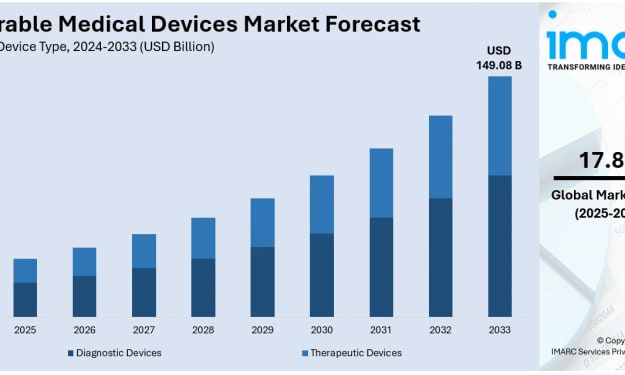
Rising prevalence of chronic diseases, accelerating shift toward remote patient monitoring and telehealth services, and rapid advances in sensor technology, wireless connectivity, and AI-driven analytics are driving explosive growth in wearable medical devices, supported by expanded reimbursement policies and increasing consumer health awareness. According to IMARC Group's latest data, the global wearable medical devices market size was valued at USD 33.58 Billion in 2024. Looking forward, IMARC Group estimates the market to reach USD 149.08 Billion by 2033.
By Andrew Sullivana day ago in Futurism


Comments
There are no comments for this story
Be the first to respond and start the conversation.