
The Aesthetic Revolution of Futurism
Analyzing the Dynamic Principles, Artistic Innovations, and Lasting Impact of the Futurist Movement


Futurism, an avant-garde movement that originated in Italy in the early 20th century, sought to revolutionize the arts and culture by embracing the dynamism, speed, and technology of the modern world. This article examines the aesthetic principles of futurism, its impact on various artistic disciplines, and the movement's enduring influence on contemporary art and culture.
The Aesthetic Principles of Futurism
Futurism was characterized by a radical departure from traditional artistic forms and a celebration of modernity. The movement's aesthetics were rooted in several key principles:
Dynamism and Movement: Futurist artists aimed to capture the energy and motion of the modern world. This emphasis on movement was a response to the rapid technological advancements and the fast-paced nature of contemporary life. Futurist works often depicted dynamic scenes of urban environments, industrial landscapes, and mechanized forms (Smithsonian Magazine) (Khan Academy).
Simultaneity and Multiple Perspectives: Futurism rejected the static, singular viewpoint of traditional art. Instead, futurist artists sought to represent multiple perspectives simultaneously, conveying the complexity and interconnectedness of modern experience. This approach was influenced by developments in photography and film, which allowed for the depiction of movement and multiple angles (Khan Academy) (Routledge Encyclopedia).
Abolition of Traditional Forms: The futurists called for the destruction of museums, libraries, and academies, which they saw as symbols of a stagnant past. They believed that art should be free from historical constraints and should embrace the new possibilities offered by technology and industry. This iconoclastic stance was a central tenet of the Futurist Manifesto and was reflected in the bold, experimental nature of futurist works (Smithsonian Magazine) (Khan Academy).
Impact on Visual Arts
Futurism had a profound impact on visual arts, leading to the creation of innovative and groundbreaking works.
Painting and Sculpture: Futurist painters and sculptors, such as Umberto Boccioni, Giacomo Balla, and Gino Severini, sought to depict the dynamism and energy of modern life. Boccioni’s sculpture Unique Forms of Continuity in Space and Balla’s painting Dynamism of a Dog on a Leash are iconic examples of futurist art, characterized by their depiction of movement and the use of fragmented, abstract forms (Khan Academy) (Routledge Encyclopedia).
Typography and Graphic Design: Futurist artists also experimented with typography and graphic design, using bold, unconventional layouts to convey the movement and energy of their works. Filippo Tommaso Marinetti’s Zang Tumb Tumb is a notable example, featuring a chaotic arrangement of text that reflects the tumultuous nature of modern warfare (Khan Academy) (Routledge Encyclopedia).
Influence on Literature and Poetry
Futurism had a significant impact on literature and poetry, leading to the development of new forms and styles.
Poetic Innovation: Futurist poets, including Marinetti, sought to break free from traditional poetic structures and explore new ways of expressing ideas. They employed techniques such as free verse, onomatopoeia, and typographical experimentation to create works that were dynamic and evocative. Marinetti’s Words in Freedom exemplifies this approach, using fragmented text and unconventional layout to convey the chaotic energy of modern life (Khan Academy) (Routledge Encyclopedia).
Narrative Experimentation: Futurist writers also experimented with narrative form, creating works that rejected linear storytelling in favor of fragmented, multi-perspective narratives. This approach was influenced by the movement’s emphasis on simultaneity and the interconnectedness of modern experience. The works of futurist writers such as Vladimir Mayakovsky and Velimir Khlebnikov exemplify this narrative experimentation (Khan Academy) (Routledge Encyclopedia).
Theatrical Innovation
Futurism brought significant changes to the realm of theater, leading to the development of new performance techniques and styles.
Synthetic Theater: Futurist theater, also known as synthetic theater, sought to break down the barriers between audience and performer and create immersive, dynamic experiences. This approach involved the use of unconventional staging, rapid scene changes, and multimedia elements such as film and projected images. The aim was to create a theatrical experience that reflected the energy and chaos of modern life (Khan Academy) (Routledge Encyclopedia).
Provocative Performances: Futurist performances were often provocative and confrontational, designed to shock and challenge the audience. This approach was in line with the movement’s iconoclastic principles and its desire to disrupt traditional forms and conventions. Futurist theater pieces often featured outrageous costumes, absurdist dialogue, and unexpected interactions with the audience (Khan Academy) (Routledge Encyclopedia).
Futurism’s Enduring Influence
Although the futurist movement itself was short-lived, its influence continues to resonate in contemporary art and culture.
Contemporary Art: Elements of futurist aesthetics, such as the emphasis on movement, dynamism, and the integration of technology, can be seen in the works of contemporary artists. The use of multimedia, digital technology, and interactive elements in modern art reflects the futurist vision of a technologically integrated artistic experience (Khan Academy) (Routledge Encyclopedia).
Design and Architecture: Futurist principles have also influenced contemporary design and architecture. The use of bold, geometric forms, dynamic layouts, and innovative materials in modern architecture and design can be traced back to the visionary ideas of futurist architects such as Antonio Sant'Elia. Contemporary urban design concepts, such as smart cities and sustainable infrastructure, reflect the futurist vision of a technologically advanced and efficient urban environment (Khan Academy) (Routledge Encyclopedia).
Cultural Narratives: Futurism’s exploration of the relationship between humanity and technology continues to inform cultural narratives in literature, film, and other media. Science fiction, in particular, often grapples with the themes of technological advancement and its impact on society, reflecting the ongoing relevance of futurist ideas (Khan Academy) (Routledge Encyclopedia).
Conclusion
Futurism was a revolutionary movement that sought to redefine the arts and culture in the context of a rapidly changing world. Its radical principles and innovative techniques challenged traditional forms and inspired a wide range of subsequent movements and developments. While the movement itself eventually declined, its impact and legacy continue to resonate, offering valuable insights into the relationship between art, technology, and society.
About the Creator
Keep reading
More stories from bachir boukhalfa and writers in Futurism and other communities.
The Technological Dreams of Futurism: Impact and Innovation
Futurism, a revolutionary artistic and social movement that emerged in the early 20th century, was characterized by its enthusiastic embrace of technology and the future. This article explores the profound impact of futurism on technology, its key figures, the futuristic concepts they proposed, and the lasting legacy of their innovative ideas.
By bachir boukhalfa 2 years ago in Futurism
RegTech Market Insights: AI Compliance Solutions, Risk Analytics & Forecast Outlook 2034
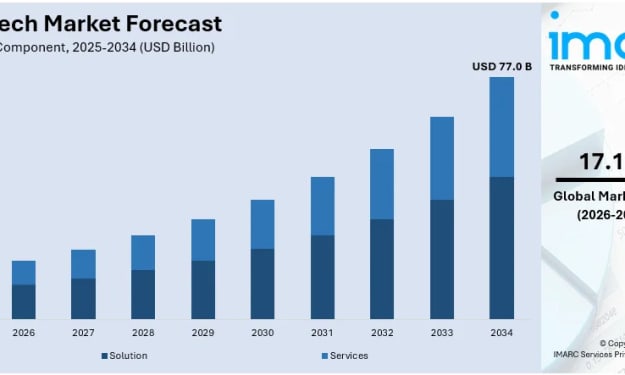
Rising regulatory complexities, the surge in digital transactions, and the need for cost-efficient compliance solutions are driving the RegTech demand, supported by advancements in AI, machine learning, and cloud computing. According to IMARC Group’s latest data, the global RegTech market size was valued at USD 18.6 Billion in 2025. Looking forward, IMARC Group estimates the market to reach USD 77.0 Billion by 2034, exhibiting a CAGR of 17.10% from 2026-2034.
By Andrew Sullivan6 days ago in Futurism
The Forsyth House Fire
Since 1851, Forsyth House has stood on the corner of Union Street and Gordon Street in the heart of Glasgow. Its iconic, or was... because on Sunday 8th of March, 2026, a fire broke out in a small, seemingly un-named shop in the building and tore all that history down. As I write, the rubble is still unsettled and the street is still blocked off. Central Station is quiet on the upper level, and around 30 small businesses have quite literally gone up in smoke.
By S. A. Crawford3 days ago in The Swamp



Comments
There are no comments for this story
Be the first to respond and start the conversation.