
Technology In Every Day Life
You check your phone 96 times a day without thinking. Here's how technology rewired your brain—and your world—when you weren't looking.


"Technology In Every Day Life"
By; Abdur-Rahman
Technology has become an inseparable part of our lives, shaping the way we communicate, work, learn, and even entertain ourselves. From smartphones to artificial intelligence, technological advancements have revolutionized every aspect of human existence. In today’s fast-paced world, the importance of technology cannot be overstated—it drives innovation, enhances productivity, and connects people across the globe.
## **1. Communication Made Easier**
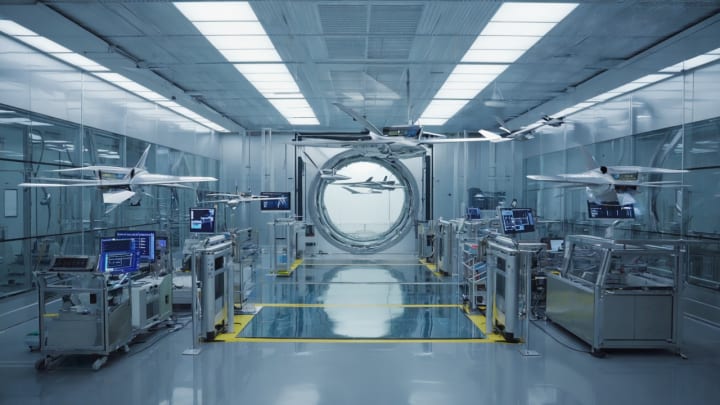
One of the most significant impacts of technology is on communication. Gone are the days of waiting weeks for a letter to arrive. Today, we can instantly connect with anyone, anywhere, through emails, social media, video calls, and messaging apps. Platforms like WhatsApp, Zoom, and Facebook have bridged distances, allowing families, friends, and businesses to stay in touch effortlessly.
Moreover, technology has transformed business communication. Companies now rely on tools like Slack, Microsoft Teams, and email to collaborate in real-time, regardless of geographical barriers. This has led to faster decision-making, improved teamwork, and increased efficiency in workplaces worldwide.
## **2. Education and E-Learning**

Technology has revolutionized education, making learning more accessible and interactive. Traditional classrooms are no longer the only option—students can now access online courses, virtual classrooms, and educational apps from anywhere. Platforms like Coursera, Khan Academy, and Udemy offer courses on diverse subjects, allowing people to learn new skills at their own pace.
During the COVID-19 pandemic, e-learning became a necessity. Schools and universities adopted digital tools like Google Classroom and Zoom to continue education remotely. This shift highlighted the importance of technology in ensuring uninterrupted learning, even in challenging times.
Additionally, AI-powered tools and virtual reality (VR) are enhancing the learning experience. Students can now explore historical events through VR simulations or receive personalized tutoring from AI-driven programs, making education more engaging and effective.
## **3. Healthcare Advancements**

Technology has transformed healthcare, improving diagnosis, treatment, and patient care. Advanced medical equipment, such as MRI machines and robotic surgery systems, enables doctors to perform complex procedures with precision. Telemedicine has also gained popularity, allowing patients to consult doctors online, reducing the need for physical visits.
Wearable devices like smartwatches and fitness trackers monitor health metrics such as heart rate, sleep patterns, and physical activity. These innovations empower individuals to take control of their health and detect potential issues early.
Artificial intelligence is another game-changer in healthcare. AI algorithms analyze medical data to predict diseases, recommend treatments, and even assist in drug discovery. With these advancements, technology is saving lives and improving the quality of healthcare worldwide.
## **4. Business and Economic Growth**

Technology plays a crucial role in boosting business efficiency and economic growth. Automation tools streamline repetitive tasks, reducing human error and increasing productivity. Businesses use customer relationship management (CRM) software, data analytics, and cloud computing to enhance operations and make data-driven decisions.
E-commerce platforms like Amazon, Alibaba, and Shopify have revolutionized the way we shop. Consumers can now purchase products with a single click, while businesses reach global markets without physical stores. Digital payment systems like PayPal, Google Pay, and cryptocurrencies have also made transactions faster and more secure.
Moreover, startups and entrepreneurs leverage technology to innovate and disrupt industries. From fintech to edtech, technology-driven solutions are creating new opportunities and driving economic progress.
## **5. Entertainment and Lifestyle**
Entertainment has evolved dramatically with technology. Streaming services like Netflix, Spotify, and YouTube provide endless content at our fingertips. Video games have become more immersive with virtual reality and augmented reality (AR) experiences. Social media platforms like Instagram and TikTok allow users to create and share content, shaping modern culture.
Smart home devices, such as voice assistants (Alexa, Google Home) and automated lighting systems, make daily life more convenient. Even transportation has been transformed with ride-sharing apps (Uber, Lyft) and electric vehicles (Tesla), reducing environmental impact.
## **6. Solving Global Challenges**

Technology is a powerful tool in addressing global issues such as climate change, poverty, and food security. Renewable energy technologies, like solar panels and wind turbines, help reduce carbon emissions. AI and big data analyze environmental patterns to predict natural disasters and optimize resource management.
In agriculture, precision farming uses drones and IoT sensors to monitor crops, increasing yields and sustainability. Blockchain technology ensures transparency in supply chains, reducing fraud and waste. These innovations demonstrate how technology can create a better future for humanity.
What’s your take on the role of technology in modern life? Share your thoughts in the comments! 🚀
About the Creator
Keep reading
More stories from Abdur-rahman and writers in Futurism and other communities.
The Day the Sky Burned
The Day the Sky Burned By; Abdur-Rahman The morning of August 6, 1945, dawned like any other in Hiroshima. The sun rose over the bustling city, casting golden hues over the streets where children played, vendors set up their stalls, and workers hurried to their jobs. No one could have imagined that within hours, their world would be reduced to ashes.
By Abdur-rahman6 months ago in History
About Binding Prometheus
I want to start actively advocating on behalf of my own work, and the most valuable part of my canon is, without a doubt, Binding Prometheus, the play I have been working on since 2019 and only finished in 2023 as part of my MA. The play itself is an amalgamation of a million different inspirations. On one end, it evokes the Ancient Greek myth-play, deriving its own title from the earliest extant work of Western drama we have, Aeschylus’s Prometheus Bound. On the other end, it borrows significantly from the sci-fi bulwarks from over the years, namely Mary Shelley’s Frankenstein and Karel Capek’s Rossum’s Universal Robots. The play could be an episode of Black Mirror, I fear. I don’t know. I’ve only ever seen one episode of Black Mirror.
By Steven Christopher McKnight15 days ago in Futurism
Data Center Market: Cloud Service Expansion and Regional Investment Trends
According to IMARC Group's latest research publication, global data center market size reached USD 213.6 Billion in 2024. Looking forward, IMARC Group expects the market to reach USD 494.5 Billion by 2033, exhibiting a growth rate (CAGR) of 9.29% during 2025-2033.
By Andrew Sullivan7 days ago in Futurism


Comments
There are no comments for this story
Be the first to respond and start the conversation.