
Technology & society.
Navigating the Digital Revolution's Impact on Humanity.
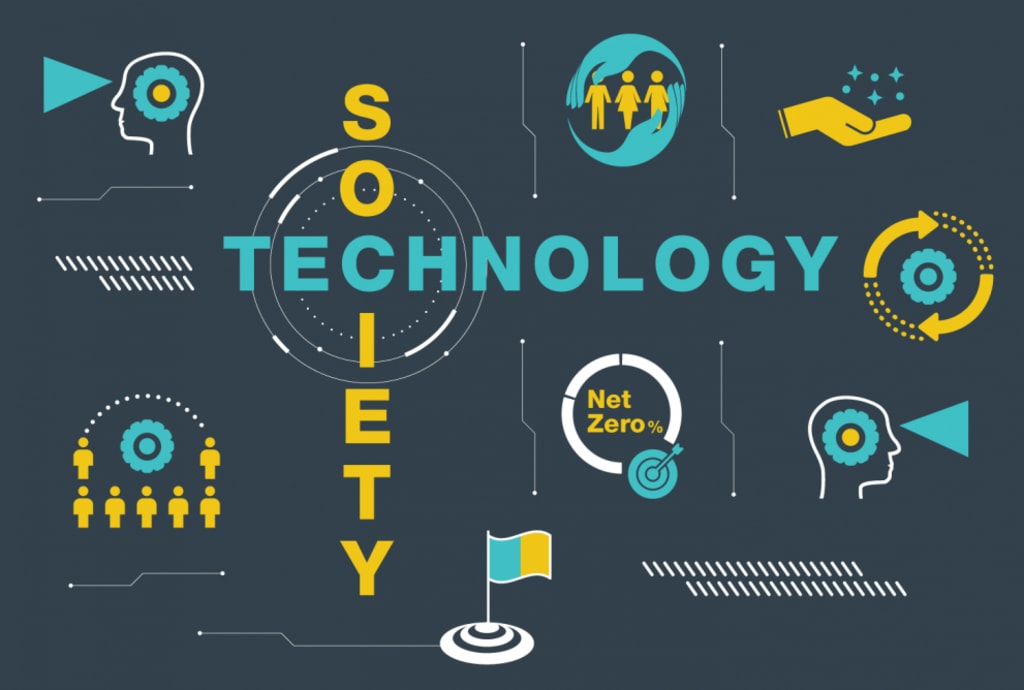
SThe digital revolution has fundamentally reshaped every aspect of human life, ushering in an era of unprecedented connectivity, innovation, and transformation. From how we communicate and work to how we access information and entertain ourselves, digital technology has become integral to modern society. However, alongside its numerous benefits, the digital revolution has also brought forth complex challenges and ethical considerations that warrant careful examination. Empowering Connectivity At the heart of the digital revolution lies its ability to connect people across the globe instantaneously. Social media platforms, messaging apps, and video conferencing tools have revolutionized communication, enabling individuals to maintain relationships, collaborate on projects, and share ideas regardless of geographical barriers. This interconnectedness has not only strengthened personal and professional networks but has also facilitated global cooperation in fields ranging from healthcare and education to business and research. The COVID-19 pandemic starkly underscored the importance of digital connectivity, as remote work and virtual communication became essential tools for maintaining continuity in a physically distanced world. Organizations rapidly adopted digital technologies to adapt their operations, highlighting both the resilience of digital infrastructure and the disparities in digital access among different populations. Challenges of the Digital Divide Despite the advancements in connectivity, a significant challenge of the digital revolution remains the digital divided the gap between those who have access to digital technologies and those who do not. This divide is often influenced by socioeconomic factors, geographic location, and infrastructure limitations. In underserved communities and developing regions, lack of access to reliable internet connectivity and digital tools restricts opportunities for education, economic participation, and civic engagement.Closing the digital divide requires concerted efforts from governments, private sector entities, and civil society organizations to expand broadband infrastructure, improve digital literacy programs, and provide affordable access to technology. Bridging this gap is essential to ensuring that all individuals can benefit from the opportunities offered by the digital age and participate fully in the global digital economy.Ethical ConsiderationsThe rapid proliferation of digital technologies has raised profound ethical concerns regarding privacy, cybersecurity, and the ethical use of artificial intelligence (AI). In an increasingly interconnected world, personal data has become a valuable commodity, with tech companies collecting and monetizing vast amounts of user information. This has sparked debates about data privacy rights, consent, and the need for robust regulations to safeguard individuals' digital identities.Cybersecurity threats, including data breaches and ransomware attacks, pose significant risks to individuals, businesses, and governments alike. As organizations rely more heavily on digital infrastructure, ensuring the security and integrity of data becomes paramount. Addressing these challenges requires implementing rigorous cybersecurity measures, fostering a culture of digital hygiene, and developing resilient cybersecurity frameworks that adapt to evolving threats.The ethical implications of AI and machine learning technologies also loom large. While AI holds promise in revolutionizing industries such as healthcare, finance, and transportation, concerns persist about algorithmic bias, transparency in decision-making processes, and the potential for AI systems to perpetuate social inequalities. Striking a balance between innovation and ethical considerations is essential to harnessing the full potential of AI while ensuring it serves the collective good and upholds fundamental human values.Impact on Work and EconomyIn the realm of work and the economy, the digital revolution has reshaped industries, transformed business models, and redefined employment dynamics. Automation and digital technologies have streamlined processes, increased productivity, and opened new avenues for innovation. However, they have also led to concerns about job displacement, skills mismatch, and the future of work in an increasingly automated world.The rise of the gig economy, facilitated by digital platforms, has revolutionized traditional employment structures, offering flexibility and entrepreneurial opportunities to workers while challenging conventional notions of employment relationships and labor rights. The gig economy's rapid growth has prompted debates about worker protections, benefits, and the need for regulatory frameworks that ensure fair treatment and economic security for gig workers.Adapting to these changes requires proactive policies that support workforce reskilling and upskilling initiatives, promote lifelong learning, and foster inclusive economic growth. By investing in human capital and equipping individuals with the skills needed to thrive in a digital economy, societies can mitigate the negative impacts of technological disruption and create pathways to economic opportunity for all.Cultural and Social ShiftsCulturally and socially, the digital revolution has profoundly influenced how individuals interact, consume information, and participate in public discourse. Social media platforms have emerged as powerful tools for mobilizing social movements, raising awareness about global issues, and amplifying diverse voices. They have facilitated unprecedented levels of civic engagement and political activism, empowering individuals to organize, protest, and advocate for social change on a global scale.However, the proliferation of digital technologies has also given rise to concerns about the spread of misinformation, echo chambers, and online harassment. The viral nature of information on social media platforms can amplify divisive narratives and polarize societies, undermining social cohesion and fostering distrust in traditional institutions.Navigating these cultural and social shifts requires promoting digital literacy, critical thinking skills, and media literacy among individuals of all ages. Educating users about responsible digital citizenship, ethical online behavior, and the importance of verifying information can help mitigate the negative effects of digital technologies and promote a more informed, tolerant, and resilient society.Looking AheadAs we navigate the complexities of the digital revolution, it is imperative to adopt a forward-thinking approach that prioritizes innovation, inclusivity, and ethical considerations. Policymakers, industry leaders, and civil society must collaborate to develop regulatory frameworks that promote responsible innovation, protect individuals' rights in the digital sphere, and ensure that technological advancements benefit society as a whole.Investing in digital infrastructure, expanding access to broadband internet, and promoting digital literacy are critical steps toward bridging the digital divide and fostering inclusive economic growth. Embracing emerging technologies such as AI and blockchain while safeguarding privacy rights and ethical principles will be essential to harnessing their transformative potential and addressing global challenges such as climate change, healthcare disparities, and economic inequality.In conclusion, the digital revolution represents a paradigm shift with profound implications for humanity's future. By addressing the challenges posed by digital transformation proactively and collaboratively, we can harness the power of technology to create a more equitable, sustainable, and prosperous world for generations to come.
About the Creator
Christiano Ronaldo's origins
Cristiano Ronaldo, one of the most iconic and successful footballers of all time, has captivated fans worldwide with his exceptional talent, dedication, and relentless pursuit of excellence. His journey from humble beginnings on the island of Madeira to global stardom with clubs like Manchester United, Real Madrid, and Juventus is a testament to his unwavering determination and unparalleled work ethic. Early Life on Madeira cristiano Ronaldo dos Santos Aveiro was born on February 5, 1985, in Funchal, the capital city of Madeira, a Portuguese archipelago in the Atlantic Ocean. Raised in a working class family, Ronaldo's childhood was marked by both hardship and passion for football. From a young age, he displayed extraordinary athletic abilities and a fierce competitive spirit, which would later define his illustrious career.Growing up in Santo António, a neighborhood known for its rugged terrain and narrow streets, Ronaldo honed his skills playing street football with friends and competing in local youth leagues. His father, José Dinis Aveiro, a municipal gardener, played a pivotal role in nurturing Ronaldo's talent and instilling in him the values of hard work and perseverance.Rise to Prominence: Sporting CP and Manchester UnitedRonaldo's talent quickly caught the attention of scouts, and at the age of 12, he joined the youth academy of Sporting Clube de Portugal, commonly known as Sporting CP, in Lisbon. His rapid progression through the ranks of Sporting's youth teams culminated in his first-team debut in 2002 at just 17 years old. Ronaldo's electrifying performances for Sporting CP attracted interest from several European clubs, leading to his transfer to Manchester United in 2003.Under the guidance of Sir Alex Ferguson, then-manager of Manchester United, Ronaldo flourished into a global superstar. His six-year tenure with the Red Devils was marked by numerous individual accolades, including three Premier League titles, a UEFA Champions League trophy, and his first FIFA World Player of the Year award in 2008. Ronaldo's unparalleled speed, technical prowess, and goal-scoring ability made him a fan favorite at Old Trafford and solidified his reputation as one of the best players in the world.Real Madrid Era: Breaking Records and Achieving GreatnessIn 2009, Ronaldo made a then-world record transfer to Real Madrid, signing a contract worth €94 million. His arrival at the Spanish capital marked the beginning of an unprecedented era of success and dominance. Ronaldo's tenure at Real Madrid spanned nine seasons, during which he shattered numerous records, including becoming the club's all-time top scorer with 451 goals in 438 appearances.With Real Madrid, Ronaldo won four UEFA Champions League titles, two La Liga titles, and four FIFA Club World Cups. His rivalry with Lionel Messi for the title of the world's best player captivated football enthusiasts globally, with Ronaldo winning four Ballon d'Or awards during his time in Madrid. His tenure with Los Blancos cemented his legacy as one of the greatest players in football history.Return to the Premier League and BeyondIn 2018, Ronaldo made a surprising move back to the Premier League, joining Juventus in a €100 million transfer. His impact at Juventus was immediate, leading the team to consecutive Serie A titles and continuing to set new records in goal-scoring and individual achievements. Ronaldo's ability to maintain peak performance well into his thirties underscores his dedication to fitness, nutrition, and mental fortitude.Off the pitch, Ronaldo has leveraged his global fame and success to become a philanthropist and entrepreneur. He supports various charitable initiatives, including funding hospitals, donating to disaster relief efforts, and advocating for children's health and education. Ronaldo's entrepreneurial ventures include his own fashion line, fragrance brand, and CR7-branded hotels, showcasing his business acumen and ambition beyond football.Legacy and ImpactAs Ronaldo continues to excel on the football field, his impact extends far beyond the pitch. He inspires millions of fans worldwide with his relentless pursuit of excellence, discipline, and commitment to achieving greatness. Ronaldo's journey from a small island in the Atlantic to becoming a global sporting icon epitomizes the power of dreams, hard work, and unwavering determination.In conclusion, Cristiano Ronaldo's journey from Madeira to Madrid is a testament to his unparalleled talent, resilience, and determination to succeed against all odds. His remarkable career achievements and philanthropic efforts have solidified his legacy as not only one of football's greatest players but also a role model for aspiring athletes and individuals striving for excellence in their respective fields
By Evan2 years ago in Motivation
More Electric Aircraft Market: Next-Gen Aircraft Design, Electrical Systems & Growth Outlook
According to IMARC Group's latest research publication, The global more electric aircraft market size was valued at USD 2.45 Billion in 2024. Looking forward, IMARC Group estimates the market to reach USD 7.8 Billion by 2033, exhibiting a CAGR of 13.7% from 2025-2033.
By James Whitman5 days ago in Futurism




Comments
There are no comments for this story
Be the first to respond and start the conversation.