science fiction
The bridge between imagination and technological advancement, where the dreamer’s vision predicts change, and foreshadows a futuristic reality. Science fiction has the ability to become “science reality”.
Seeing Through Doors
Sometimes when the door opened, it coincided with another door at the end of the hall opening. When that happened, if Desset pressed himself against the far wall, he could see outside. The glimpse never lasted more than a couple of seconds, but even the briefest image of yellow sunlight on white pavement and neatly trimmed green grass lingered in his mind for days. At night, when he was locked in place, he dreamed of wind in his hair and warmth on his face. He always woke from these dreams in tears, gnashing his teeth to keep from wailing.
By Jeffrey Aaron Miller9 years ago in Futurism
Robo and the Little Door
Robo snagged a corner of the quilt in his claws and began the arduous climb to the top of the bed. Timmy heard the plastic clanking of tiny limbs but paid him little mind, gaze fixed through the misty window glass. A low fog hung over the backyard, moving like ghost hands through the maze of toys and swings and trees.
By Jeffrey Aaron Miller9 years ago in Futurism
Eating the Sickness
Mort was hunched over in the pit, grinding his face into the dirt and mewling. He had lost most of the hair on his head, and the exposed skin was covered in ugly red knots as big as chicken eggs. The rags hanging from his shoulders did little to hide protruding ribs and papery skin.
By Jeffrey Aaron Miller9 years ago in Futurism
Asimov 101: Your Ultimate Guide to the 'Foundation' Series
Long before the incessant arguments among Star Wars fans were heard all over the galaxy about when to watch which episode, Isaac Asimov had his fans up in arms about which books of the Foundation series should—no, must—be read before the others. And rest assured that the Asimov-split had far more to contemplate given the complicated timeline of the seven books' releases; prequels and sequels were added to the original Foundation trilogy over a real-time span of 42 years from 1951 (the release of the original Foundation trilogy) to 1993 (the posthumous release of Asimov's second prequel Forward the Foundation).
By Deniz Galip Oygür9 years ago in Futurism
The Philosophy of Westworld
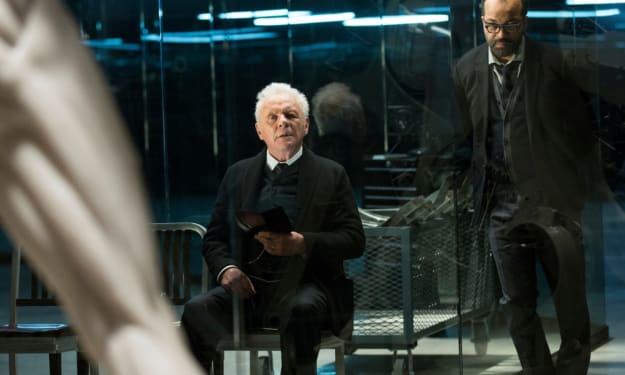
Michael Crichton wrote and directed Westworld for the big screen in 1973. That same decade, in 1976, an adjunct professor named Julian Jaynes made the bestseller list with a surprising title: The Origins of Consciousness in the Breakdown of the Bicameral Mind. You wouldn’t think that a book with a name like that would become such a popular success. Yet, there it was. In 2016, when Westworld came to the small screen in the re-imagined HBO series, you wouldn’t imagine Jaynes getting heard from again. Especially since bicameralism wasn’t even mentioned in the Michael Crichton’s original film. Yet, there he was. Early on in Westworld’s first season Dr. Ford, one of the creators of the park, explains how he and his co-founder Arnold used a “debunked” theory about the origins of consciousness to bootstrap A.I. The scientific community didn’t recognize bicameralism as an explanation for the origins of the human mind, but, as Dr. Ford suggests, it could be useful for building an artificial one. Thousands of people—perhaps more—started Googling for “bicameral mind.” Bloggers and YouTube channels capitalized on the sudden interest by writing articles and introductory videos about this weird, arguably psychedelic theory of consciousness. Suddenly everyone was interested.
By Jeremy Johnson9 years ago in Futurism
Iconic Sci-Fi Film Directors
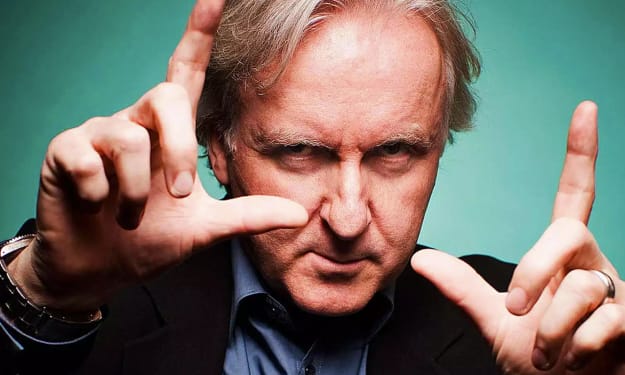
The best sci-fi film directors are experts in visual storytelling. Regardless of how crazy and seemingly improbable it is to realize a sci-fi story onto the big screen, they will strive to make things work. From fearsome aliens and desolate planets to time-traveling shenanigans, these people know how to deliver the most imaginative thrills. While superhero films are currently dominating the box office, sci-fi has its fair share of monster hits. It’s about time that the top sci-fi film directors get the recognition they deserve.
By Eddie Wong9 years ago in Futurism
A Clockwork Orange Can Teach Us Something About Partisan Politics In America
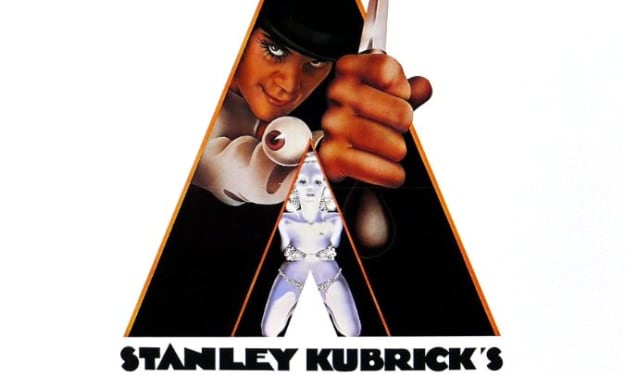
My first viewing of A Clockwork Orange 30 years ago left me lost on the message. A hardened criminal receives the opportunity for a quick, psychologically based reform, but the dehumanizing treatment endured almost makes his crimes seem forgivable. Not sure who to side with and put off by the chaotic presentation, I was indifferent. Nonetheless, a later more open-minded viewing got my nod, but the ideological mish-mash remained, and a meaningful critique here, would require the insight of others.
By Rich Monetti9 years ago in Futurism