extraterrestrial
Speculation, theory, UFOs and Aliens. Are we alone in this universe or is there life outside Earth?
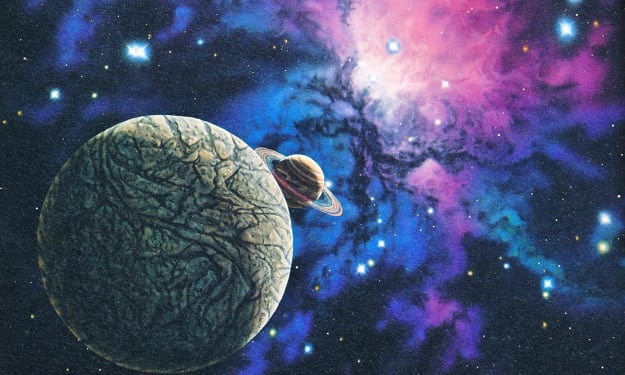
Franz von Paula Gruithuisen's Venus Science Fiction
The fascinating story of Franz von Paula Gruithuisen, a German astronomer who became prominent early in the nineteenth century, has inspired sci-fi writers to ponder exploring distant worlds like Mars and Venus. His attempts at explaining the wonders of space were filled with promise of mystery and awe. He was a fairly good observer who concentrated on the moon and the planets, but his imagination was, somewhat vivid. For instance, he discovered what he believed to be an artificial structure on the moon and described it as a collection of dark, gigantic artistic ramparts.
By Izzy Erlich9 years ago in Futurism
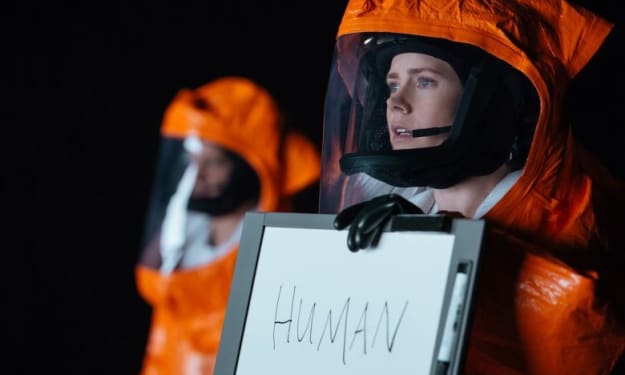
Mental Time Travel: Is the Plot of Arrival Coherent?
Time travel is a bit of a trope in sci fi. The device has been used in literature since ancient times, with Hindu mythology portraying people going far into the future. This kind of travel isn’t logically impossible – in fact, with Einstein’s discovery of relativity, we must accept this discrepancy between personal and external time as a necessary feature of reality. The faster an object travels, the slower its time moves: ISS astronauts returning from missions have aged slightly less than had they remained on earth (due to different accelerations).
By Ed Venables9 years ago in Futurism
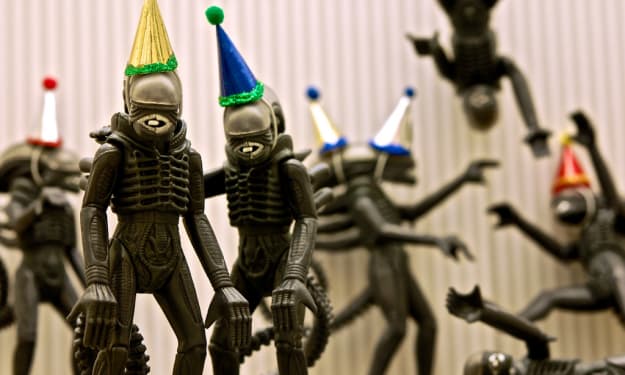
5 Science Fiction Heroes Who Hate Science
What's a hero supposed to do when they are written into a story they don't seem to want to even be in? When they're rudely stuffed into a space ship and launched to Alpha Centauri...but they really only want to chill at a backyard BBQ?
By Matt Cates9 years ago in Futurism
The Science Fiction of Music
My first novel, Big in Japan, is about a neurotic American prog-rocker coming of age in Japan. My second, Jellyfish Dreams, is about a biologist’s quest to reanimate his dead fiancée at the instigation of a black hole beneath his sofa. Readers who’ve read both books usually remark on how different they are, but I don’t see it that way. For one thing: crazy artist, mad scientist—same difference. For another, even if you agree with (a quote I’ve seen attributed to) sf comics genius Warren Ellis that “Prog rock was sick and wrong then and it is sick and wrong now,” one can’t deny that prog drinks as liberally from the sf well as it does from the epic and fantasy ones. And so, a primer on some of history’s more salient prog-sf conjunctions:
By M. Thomas Gammarino9 years ago in Futurism
Sci-Fi's Obsession with the American West
I was once in Big Bend National Park and thought I’d stepped onto another planet. If you’ve had the misfortune never to have visited, it’s a mostly parched desert wonderland with the strangest flowers, succulents, and eerie hills that you can imagine. Toss in the sexy wild lawlessness of the historical American West and you can see why science fiction would create some of its most memorable works against such an awe-inspiring backdrop. From cartoons like Cowboy Bebop and Trigun to animated shows like Galaxy Rangers and Bravestarr, science fiction clearly has a great big ol’ crush on the American West. There’s DC Comics’ Jonah Hex, a whole slew of terrible B-movies, and then there are the great ones: films like Westworld and Back to the Future Part III, books like The Gunslinger, and shows like Firefly (*sniff*). If you haven’t seen them yet, check out these incredible tributes to science fiction and the West all in one beautiful biomechanical horse meets pony-express package.
By Sarah Quinn9 years ago in Futurism
Sci-Fi's Obsession with Ancient Greece and Rome
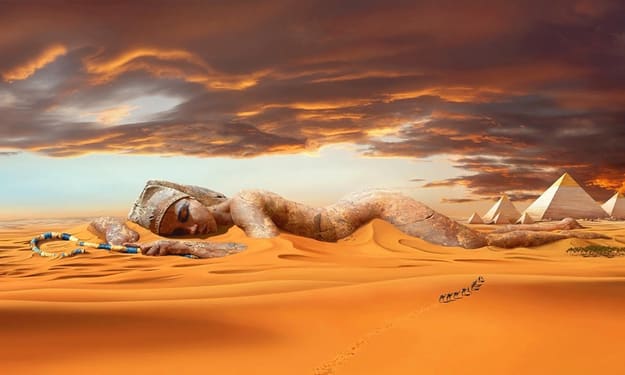
Sometimes science fiction returns to the past for places, people, and themes to enrich its mind-journeys into the future. Such is the case with these sci-fi movies, TV episodes, and works of fiction, each one drawing from the ancient worlds of Greece or Rome to dress its story. Brit Marling, a screenplay co-writer of Another Earth, says that this isn’t really surprising. “We’re retelling the same dramas from Ancient Greece,” Marling said. “These stories are so fundamentally old, the mythology that they come from, the hero’s journey — the way a narrative works. Science allows you to take the same story and see it from a new perspective because the science is always new and fresh.” Science fiction’s interest in the ancient world goes beyond mere allusion, as in the middle name of Captain James Tiberius Kirk (Tiberius, in case you’re wondering, was a somber, reclusive Roman ruler who nevertheless left the empire in a better state than he found it). If you’re deeply interested in how the speculative worlds of the future and the worlds of ancient Rome and Greece intersect, you may be interested in a serious paper by academic Tony Keen, “The 'T' stands for Tiberius: models and methodologies of classical reception in science fiction.” If that sounds a little heavy, enjoy the following summary of a few times when togas, laurel wreaths, aliens, and spaceships partied it up in one crazy combination.
By Sarah Quinn9 years ago in Futurism
Hollywood Halloween Hijinks - Count Dracula As An Extraterrestrial?
“Listen to them, the children of the night. What sweet music they make!” Count Dracula in "Dracula" - by Bram Stoker Loyal fans of the insidious exploits of the king of the vampires have been listening to haunting music played as a foreboding symphony from the bloodthirsty undead for decades. Ever since actor Bela Lugosi first put on the iconic cape in director Tod Browning’s 1931 landmark film, Dracula, movie audiences have lovingly embraced the coolest blood sucker of them all - Count Dracula. Before the Hollywood classic flick from Universal studios, readers immersed themselves in the bleak world of author Bram Stoker’s breakthrough novel, chronicling the wild adventures of the world’s most infamous vampire. Once Hollywood got a hold of Stoker's creation, the nefarious prince of darkness went through innumerable permutations, and Tinseltown is still morphing the world's favorite fang master.
By Will Stape9 years ago in Futurism