
Sustainability in Tech: The Green Revolution of Electronics
The Concept of Safe and Secure Environment in Electronics!
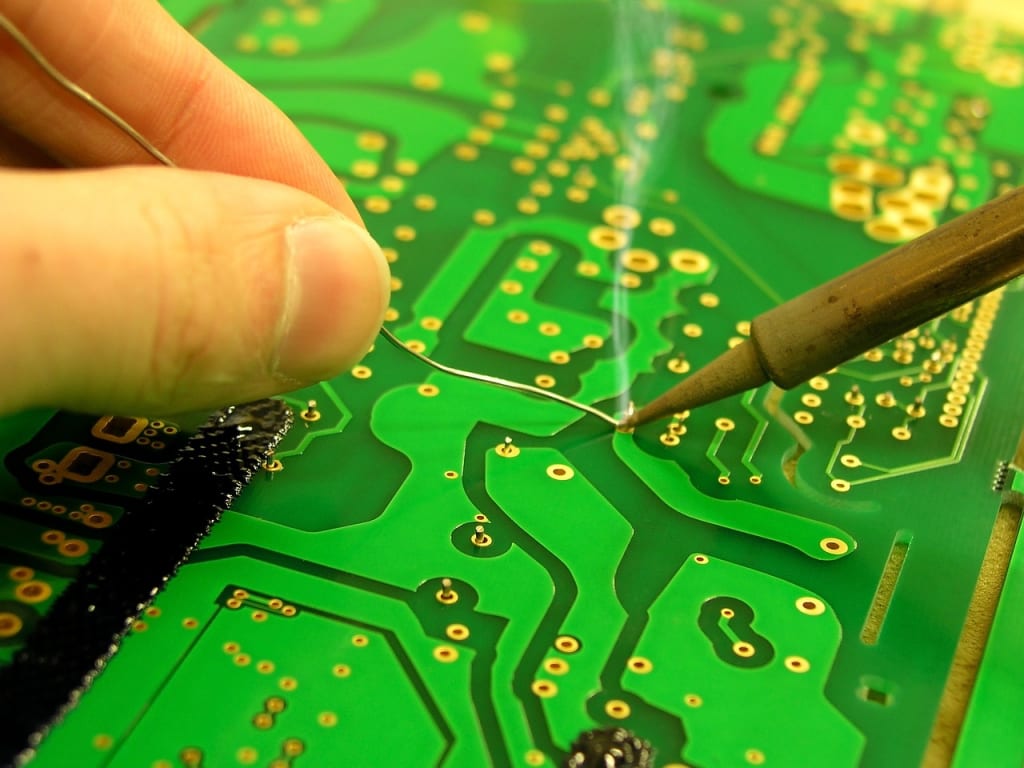
The technology industry is undergoing a significant transformation, shifting toward more sustainable practices to address the growing concerns about environmental impact. From energy-efficient products to eco-friendly materials, many companies are integrating green practices into their designs and operations.
Energy Efficiency
Modern gadgets, from smartphones to smart homes, are becoming increasingly energy-efficient. Devices now consume less power, thanks to the development of low-energy chips and optimized software. This not only helps reduce electricity usage but also extends the lifespan of products, contributing to longer-term sustainability.
Recycled and Sustainable Materials
The use of recyclable materials is on the rise. Manufacturers are exploring sustainable alternatives for everything from device casings to internal components. Many electronics now feature plastics made from recycled materials, reducing the reliance on virgin resources and lowering carbon footprints. Metals like aluminum are also being used more frequently because of their recyclability and light weight.
E-Waste and Recycling Programs
Electronic waste (e-waste) is one of the fastest-growing waste streams globally. Fortunately, innovations in recycling are helping to manage this issue. Many companies now offer take-back programs to recycle old devices, ensuring that valuable materials like gold, silver, and copper are recovered. These programs aim to reduce the environmental impact of discarded electronics and encourage more responsible consumption.
Sustainable Manufacturing Practices
Tech companies are rethinking their manufacturing processes, reducing energy consumption in factories and adopting cleaner production methods. Some are moving towards greener energy sources, such as wind and solar power, to run their operations. Additionally, companies are optimizing production techniques to reduce waste and emissions.
PCB Desgin
Even in the realm of complex components, thick copper PCBs are being developed with a focus on sustainability, ensuring that they are both efficient and recyclable. This shift represents a broader industry trend toward cleaner, greener tech solutions.
Why Limiting the Electronic Industry is Important for Greener Future?
Sustainability in electronic engineering isn’t just a buzzword anymore—it’s becoming a professional responsibility. The decisions engineers make don’t just affect product performance; they directly influence how much energy we consume, how much waste we generate, and how long our devices stay useful. In short, electronic engineering sits at the center of the sustainability conversation in tech.
1. Designing for the Long Term
In the past, speed and cost were the top priorities. Now, longevity is just as important. Engineers are designing systems that can last longer, be repaired more easily, and upgraded without needing full replacements. This shift reduces the demand for raw materials and cuts down on the waste that comes from constantly tossing out obsolete gadgets.
Instead of locking users into closed systems, modularity is gaining ground. Devices built with swappable components mean fewer devices end up in landfills when just one part breaks.
2. Smarter Use of Materials
Material selection is another area where engineering choices matter. There’s a growing shift toward using safer, more recyclable materials, especially in consumer electronics. Plastics made from recycled sources, responsibly sourced metals, and safer alternatives to hazardous chemicals are now part of the design conversation.
- Recyclable aluminum instead of coated plastics
- Lead-free soldering and safer finishe
- Avoiding conflict minerals through vetted suppliers
These choices might not be obvious to users, but they play a big role behind the scenes in making devices more sustainable.
3. Energy Efficiency Is Everything
Every watt counts. Whether it’s a smartphone or a server rack, making systems that use less power is one of the most effective ways engineers can reduce environmental impact. This comes down to designing efficient power circuits, managing thermal loads, and finding clever ways to do more with less.
Engineers are also adopting smarter power management techniques—systems that shut down idle components or reduce performance when full power isn’t needed. These micro-adjustments add up in a big way over time, especially in devices used 24/7.
4. Regulations That Actually Drive Innovation
Sustainability isn’t only about good intentions—it's often about staying compliant. Engineers are working under increasingly strict environmental regulations, from the Restriction of Hazardous Substances (RoHS) to Waste from Electrical and Electronic Equipment (WEEE) directives.
Instead of treating these rules as limitations, many teams see them as a push to innovate. Finding alternatives to banned substances or figuring out how to design with recyclability in mind has led to smarter, more efficient products.
5. Thinking Beyond the Device
The idea of “designing for disassembly” is gaining traction. Engineers are thinking not just about how products function, but how they come apart. If a product can be easily taken apart, it’s easier to repair, reuse, or recycle. That’s a big shift from the glue-and-seal approach many devices used to follow.
Even in advanced components, sustainability is starting to influence choices. For example, thick copper PCBs—once selected mainly for performance—are now being evaluated for their recyclability and durability over time.
About the Creator
Keep reading
More stories from writers in Futurism and other communities.
About Binding Prometheus
I want to start actively advocating on behalf of my own work, and the most valuable part of my canon is, without a doubt, Binding Prometheus, the play I have been working on since 2019 and only finished in 2023 as part of my MA. The play itself is an amalgamation of a million different inspirations. On one end, it evokes the Ancient Greek myth-play, deriving its own title from the earliest extant work of Western drama we have, Aeschylus’s Prometheus Bound. On the other end, it borrows significantly from the sci-fi bulwarks from over the years, namely Mary Shelley’s Frankenstein and Karel Capek’s Rossum’s Universal Robots. The play could be an episode of Black Mirror, I fear. I don’t know. I’ve only ever seen one episode of Black Mirror.
By Steven Christopher McKnight28 days ago in Futurism
Men Formal Shoe Market: Office Wear Demand, Leather Craftsmanship & Market Forecast
According to IMARC Group's latest research publication, global men formal shoe market size reached USD 10.86 Billion in 2024. Looking forward, IMARC Group expects the market to reach USD 17.51 Billion by 2033, exhibiting a growth rate (CAGR) of 5.18% during 2025-2033.
By sujeet. imarcgroupabout 14 hours ago in Futurism




Comments
There are no comments for this story
Be the first to respond and start the conversation.