
Stopping Skimmers in Their Tracks: How Anti-Skimming Technology Protects Your Money
The Importance of Anti-Skimming

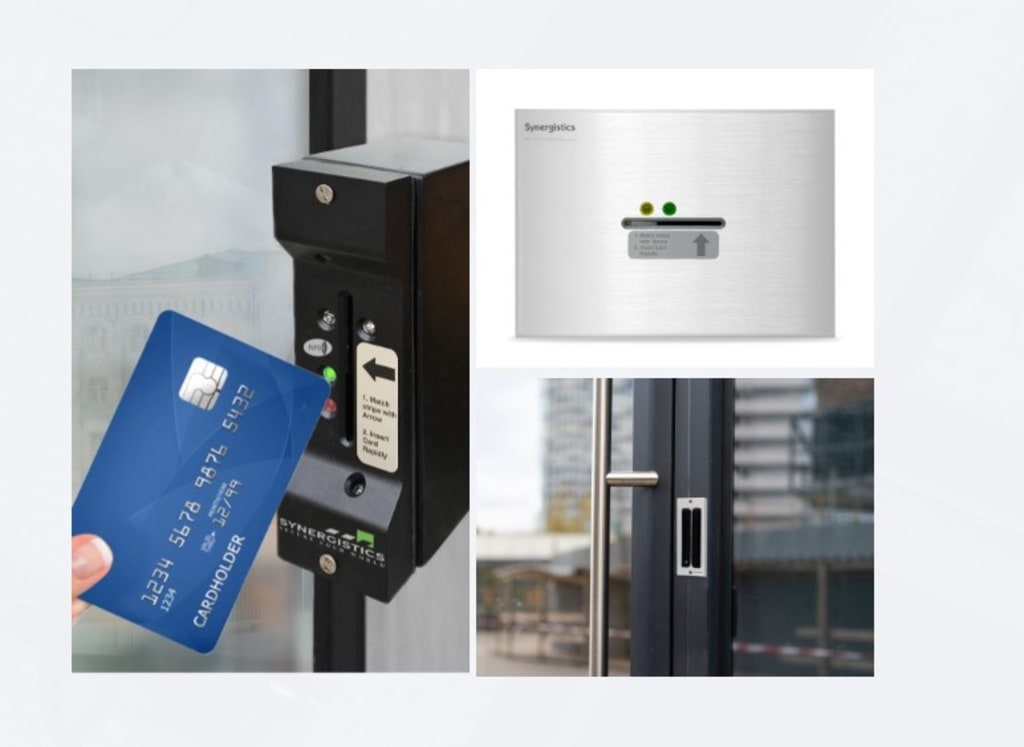
In today’s increasingly digital financial world, card-based transactions remain one of the most common ways people access their money. Whether it's at ATMs, point-of-sale (POS) terminals, or gas pumps, payment cards are everywhere. But with this convenience comes a dangerous threat: skimming.
Skimming is a form of fraud where criminals use hidden devices to illegally copy data from the magnetic stripe on your debit or credit card. Once that data is captured, it can be used to clone your card and drain your bank account. To combat this ever-evolving threat, banks and financial service providers have implemented a range of anti-skimming technologies.
Let’s dive deeper into what anti-skimming technology is, how it works, and why it’s becoming a critical line of defence in the modern banking landscape.
What is Skimming and How Does It Work?
Before we can understand the solution, we need to grasp the problem.
Skimming typically involves the installation of an unauthorized device—called a skimmer—over or inside a legitimate card reader. When you insert your card into what appears to be a normal ATM or gas pump slot, the skimmer reads and copies your card’s data from the magnetic stripe. Often, these attacks are paired with small hidden cameras or fake keypads to capture your PIN as well.
The stolen data is then used to create counterfeit cards or make unauthorized online purchases, often without the victim realizing until their money is gone.
The Rise of Anti-Skimming Technology
As skimming devices have grown more sophisticated and harder to detect, so too have the tools designed to fight them. Anti-skimming technology refers to a suite of hardware and software solutions designed to detect, prevent, or disable skimming devices.
Banks, ATM manufacturers, and technology companies now deploy a combination of proactive and reactive anti-skimming tools that work in several different ways:
Types of Anti-Skimming Technologies
1. Skimmer Detection Sensors
These are physical sensors embedded inside ATMs or POS terminals. They detect the presence of foreign devices that don’t belong in the card reader. Once detected, the machine can shut down, trigger an alarm, or alert the bank or service provider in real-time.
2. Jamming Technologies
Some devices use electromagnetic jamming to block the ability of skimming devices to read magnetic stripe data. These work by emitting random signals that interfere with the functioning of any unauthorized hardware.
3. Encryption at the Source
Instead of relying on the security of transmission networks alone, some card readers now encrypt data the moment it's read—so even if a skimmer captures it, the data is unusable without the decryption key.
4. Anti-Skimming Card Reader Designs
ATM and POS manufacturers are developing smarter hardware with tamper-proof features. For instance, card slots that retract into the machine or change shape randomly, making it harder to attach a skimmer.
5. Machine Learning and AI Monitoring
Financial institutions are using advanced algorithms to monitor transaction patterns and ATM behavior. If a machine suddenly starts behaving abnormally—processing more swipes than usual or slowing down—it may indicate tampering.
6. Contactless Payments and Chip Cards
While not anti-skimming in the traditional sense, EMV chip cards and contactless payments (NFC) are much harder to skim than traditional magnetic stripe cards. As more users switch to these technologies, skimming becomes less effective.
Why Anti-Skimming Technology Matters
With billions of dollars lost globally to card fraud every year, investing in anti-skimming technologies is both a security necessity and a business priority. Here's why it's so important:
• Customer Trust: Nothing damages a bank’s reputation faster than fraud. Strong security measures reassure customers and help retain loyalty.
• Regulatory Compliance: Many regions now require financial institutions to meet strict data security standards, including fraud prevention.
• Cost Savings: Preventing fraud is far less expensive than compensating for stolen funds or dealing with legal fallout.
Tips for Consumers to Stay Safe
While banks are ramping up their defences, consumers can also take simple steps to protect themselves:
• Inspect ATMs or terminals: If the card slot looks unusual, misaligned, or bulky, don’t use it.
• Cover your PIN: Shield the keypad when entering your PIN in case of hidden cameras.
• Use chip or contactless options: Avoid swiping your magnetic stripe if other options are available.
• Monitor account activity: Set up transaction alerts to detect suspicious activity quickly.
Looking Ahead: The Future of Anti-Skimming
As card fraud continues to evolve, anti-skimming technologies will also advance. We can expect greater integration with artificial intelligence, biometric verification (such as fingerprint or facial recognition), and real-time fraud analytics.
There’s also a growing shift toward mobile payments and digital wallets, which eliminate physical cards altogether. As these technologies become more mainstream, the relevance of magnetic stripe skimming may eventually fade—but until then, robust anti-skimming systems remain essential.
Conclusion
Skimming may be invisible to the naked eye, but the financial damage it causes is very real. Anti-skimming technology is a critical weapon in the fight against card fraud, offering peace of mind to consumers and financial institutions alike.
As attackers get smarter, so must our defences—and anti-skimming is a perfect example of how technology can be used to stay one step ahead.
About the Creator
Synergistics Banking
Offering robust ATM vestibule access control, Synergistics Banking provides solutions that meet stringent security standards, protecting against unauthorized entry and potential threats.
Keep reading
More stories from writers in Futurism and other communities.
Cloud Storage Market Analysis: Pricing Models & Revenue Forecast
Rising data volumes, accelerating digital transformation, and widespread remote work adoption are fueling cloud storage demand, backed by innovative technologies like AI and machine learning, hybrid cloud deployments, and expanding security features. According to IMARC Group's latest data, the global cloud storage market size was valued at USD 117.59 Billion in 2024. Looking forward, IMARC Group estimates the market to reach USD 490.56 Billion by 2033, exhibiting a CAGR of 16.34% from 2025-2033. North America currently dominates the market, holding a market share of over 47.5% in 2024.
By sujeet. imarcgroup4 days ago in Futurism
The Angry Man in Your House
"If you grow up with an angry man in your house, there will always be an angry man in your house" This statement has caused plenty of controversy online, people say its a statement that blames victims while also undermining those who break traumatic cycles to form health relationships... but if I'm honest now that I'm in my 30s it makes more sense to me than ever, and I'd argue that its not just about fathers and uncles.
By S. A. Crawforda day ago in Humans
Writing About Writing: The Rainbow Trap
The good thing about living in modern times is that LGBTQ representation in media is increasing. Not just in niche and Independant media, either, but also in mainstream media. Books, movies, TV shows, comics... they're finally catching on that LGBTQ+ people form a significant part of their audience, and deserve to see themselves on screen and in fiction, not just as victims in documentaries and true crime shows.
By Natasja Rose5 days ago in Writers




Comments
There are no comments for this story
Be the first to respond and start the conversation.