
Space X Astronauts Sunita Williams and Barry Wilmore Return to Earth After Nine Months in Space
Sunita Williams and Barry Wilmore


Sunita Williams and Barry Wilmore Return to Earth After Nine Months in Space
A Mission Extended Beyond Expectations
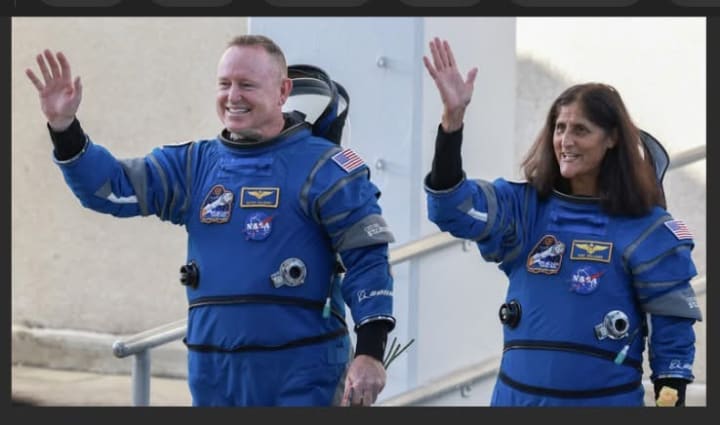
NASA astronauts Barry "Butch" Wilmore and Sunita "Suni" Williams have safely returned to Earth after spending 286 days aboard the International Space Station (ISS). Originally planned as a short mission, their stay was unexpectedly extended due to technical issues with the Boeing Starliner spacecraft, preventing their timely return.
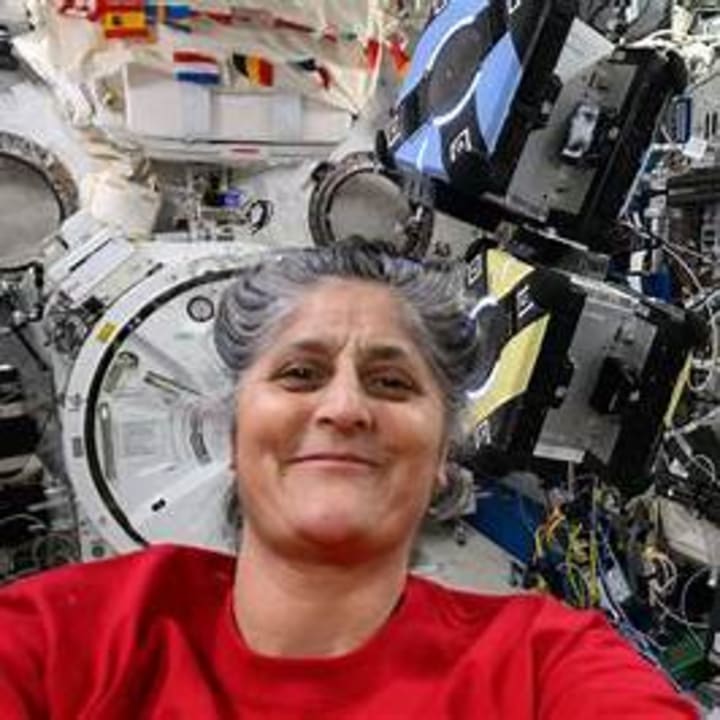
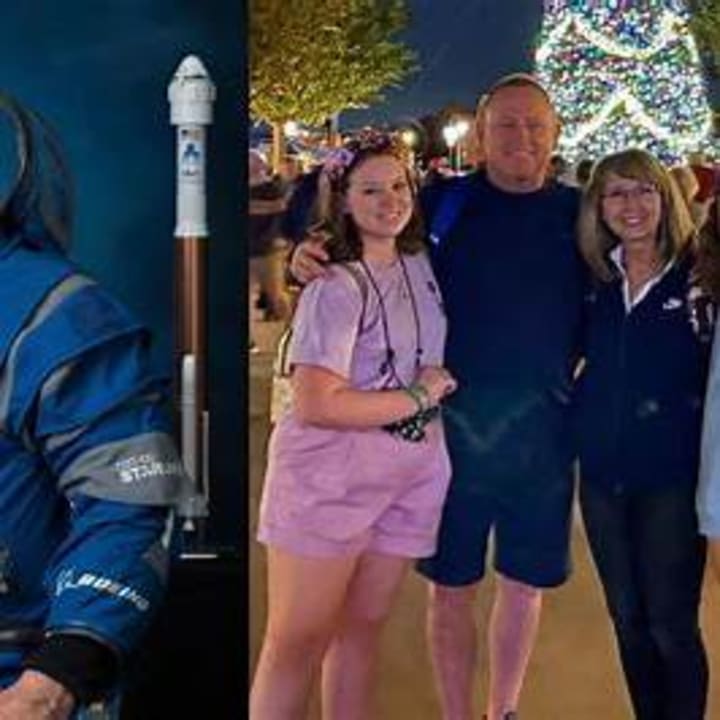
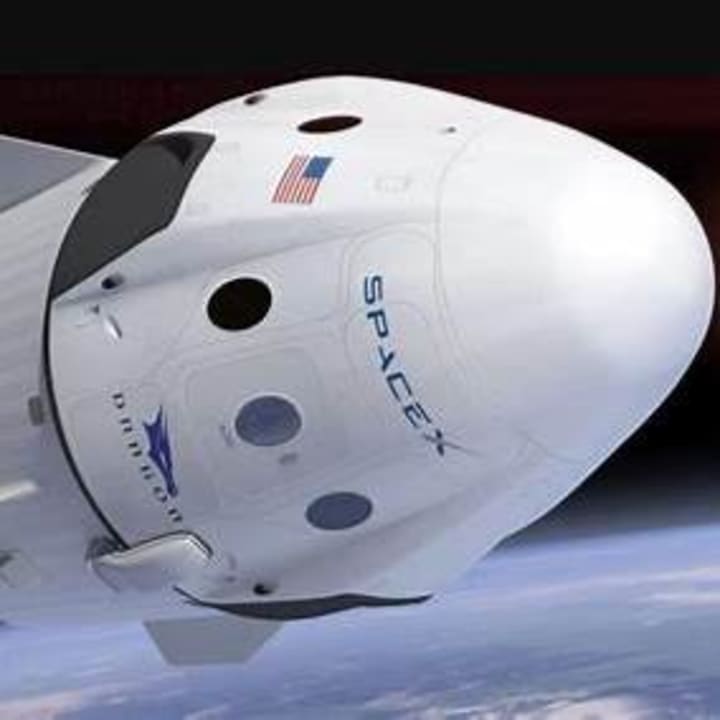
On their way back, the astronauts traveled aboard SpaceX’s Dragon capsule, which successfully splashed down in the Gulf of Mexico, off the coast of Florida. This marks the conclusion of a mission that turned into a test of endurance, patience, and technical problem-solving in space.
The Mission That Didn’t Go as Planned
Wilmore and Williams launched aboard the Starliner spacecraft on June 5, 2024, on what was supposed to be an eight-day experimental flight to the ISS. However, upon docking at the station, engineers discovered multiple malfunctions, including issues with the propulsion system and onboard thrusters. These problems raised safety concerns about whether the spacecraft could safely return to Earth.
Instead of rushing a solution, NASA and Boeing decided to keep the astronauts aboard the ISS until a safer alternative was found. What was supposed to be a week-long mission turned into nine months in space—far beyond their original schedule.
Daily Life in Space: Challenges and Achievements
Despite being stranded in space longer than expected, both astronauts contributed to important scientific research and maintenance work on the ISS. Some of their key activities included:
Conducting experiments in microgravity, including studies on bone density, muscle atrophy, and plant growth.
Assisting with spacewalks and ISS repairs, ensuring the station remained fully operational.
Participating in educational outreach, speaking with students and inspiring future astronauts through live video calls from orbit.
Williams, who previously held records for the most extravehicular activity (EVA) time among female astronauts, added more hours to her record, further solidifying her place in space history.
The Starliner Controversy
The extended delay of Wilmore and Williams has raised concerns about Boeing’s Starliner program, which was designed as a competitor to SpaceX’s Crew Dragon for NASA's Commercial Crew Program. Boeing had already faced numerous technical issues and delays before the Starliner’s first crewed mission. The spacecraft’s propulsion problems made it too risky to use for the astronauts’ return.
As a result, NASA relied on SpaceX’s Crew Dragon capsule, which has proven to be a more reliable option for ferrying astronauts to and from the ISS. This incident has intensified discussions about the need for multiple spacecraft providers to prevent over-reliance on a single company for human spaceflight.
Returning to Earth: The Final Journey
After months of waiting, NASA finally approved SpaceX’s Crew Dragon for Wilmore and Williams’ return to Earth. On March 15, 2025, the capsule undocked from the ISS and began its descent through Earth’s atmosphere, experiencing intense temperatures and g-forces before splashing down safely in the Gulf of Mexico.
Recovery teams were standing by to retrieve the astronauts, who were quickly taken for medical evaluations. After spending nearly a year in microgravity, their bodies will need time to readjust to Earth’s gravity.
What’s Next?
Both astronauts will undergo extensive medical examinations to study the long-term effects of prolonged spaceflight. Their experiences will provide valuable data for future missions to the Moon and Mars, where astronauts may spend even longer periods in space.
Meanwhile, Boeing must address the issues with Starliner before NASA considers using it for future missions. The company is expected to conduct extensive modifications to ensure that the spacecraft meets safety and reliability standards.
For now, Wilmore and Williams will reunite with their families, enjoying their long-awaited return to solid ground. Their unexpected nine-month journey in space has tested their endurance and adaptability, proving once again that astronauts are some of the most resilient individuals on Earth—or beyond.
References
AP News. (2025, March 15). NASA astronauts Butch Wilmore and Suni Williams return to Earth after 9 months in space. Retrieved from https://apnews.com/article/419f98f239a25cfb54f970b8522dc1d2
Cadena SER. (2025, March 18). Los dos astronautas atrapados en el espacio durante nueve meses regresan a la Tierra con éxito. Retrieved from https://cadenaser.com/nacional/2025/03/18/los-dos-astronautas-atrapados-en-el-espacio-durante-nueve-meses-regresan-a-la-tierra-con-exito-cadena-ser/
Infobae. (2025, February 12). La NASA adelanta la vuelta a la Tierra de los astronautas varados en la Estación Espacial Internacional. Retrieved from https://www.infobae.com/america/ciencia-america/2025/02/12/la-nasa-adelanto-la-vuelta-a-la-tierra-de-los-astronautas-varados-en-la-estacion-espacial-internacional/
About the Creator
JONATAN DAVID VEGA
Hello Welcome! I am Jonatan Vega
Iam self-published mexican author living Sacramento,California
My Instagram: @JonatanVega_writesbooks
My published books in lulu.com
www.lulu.com/spotlight/JonatanVega
Amazon: Jonatan Vega
Keep reading
More stories from JONATAN DAVID VEGA and writers in Futurism and other communities.
UFOs Over New Jersey: The Government Knows, But They’re Not Telling Us the Truth
UFOs Over New Jersey: The Government Knows, But They’re Not Telling Us the Truth For decades, whispers of extraterrestrial activity have circulated throughout the United States. But lately, something strange has been happening over New Jersey’s skies, and the government doesn’t want you to know about it.
By JONATAN DAVID VEGA10 months ago in Futurism
About Binding Prometheus
I want to start actively advocating on behalf of my own work, and the most valuable part of my canon is, without a doubt, Binding Prometheus, the play I have been working on since 2019 and only finished in 2023 as part of my MA. The play itself is an amalgamation of a million different inspirations. On one end, it evokes the Ancient Greek myth-play, deriving its own title from the earliest extant work of Western drama we have, Aeschylus’s Prometheus Bound. On the other end, it borrows significantly from the sci-fi bulwarks from over the years, namely Mary Shelley’s Frankenstein and Karel Capek’s Rossum’s Universal Robots. The play could be an episode of Black Mirror, I fear. I don’t know. I’ve only ever seen one episode of Black Mirror.
By Steven Christopher McKnight19 days ago in Futurism
Hospital Information System Market: Electronic Health Records Integration, Workflow Automation & Care Quality
According to IMARC Group's latest research publication, global hospital information system market size reached USD 27.2 Billion in 2024. Looking forward, IMARC Group expects the market to reach USD 58.9 Billion by 2033, exhibiting a growth rate (CAGR) of 9% during 2025-2033.
By sujeet. imarcgroupabout 5 hours ago in Futurism
Miss Persephone's Manual to a Seemingly Ordinary Life
Miss Persephone was found at the dining table, her blue eyes swollen, her tears arriving and retreating like the tides of the ocean. Earlier that day, her family had visited her in the retirement home where she had lived for eight years. It was her eightieth birthday.
By Imola Tóth5 days ago in Fiction




Comments (1)
Fantastic! Next they should send Elon musk and Dump Trump up to space and leave them there. Great work! Very Gazoogabloga!