
Smart Lock Market Analysis: Distribution Channels & Revenue Forecast
Rising demand for smart home automation boosts global smart lock adoption.

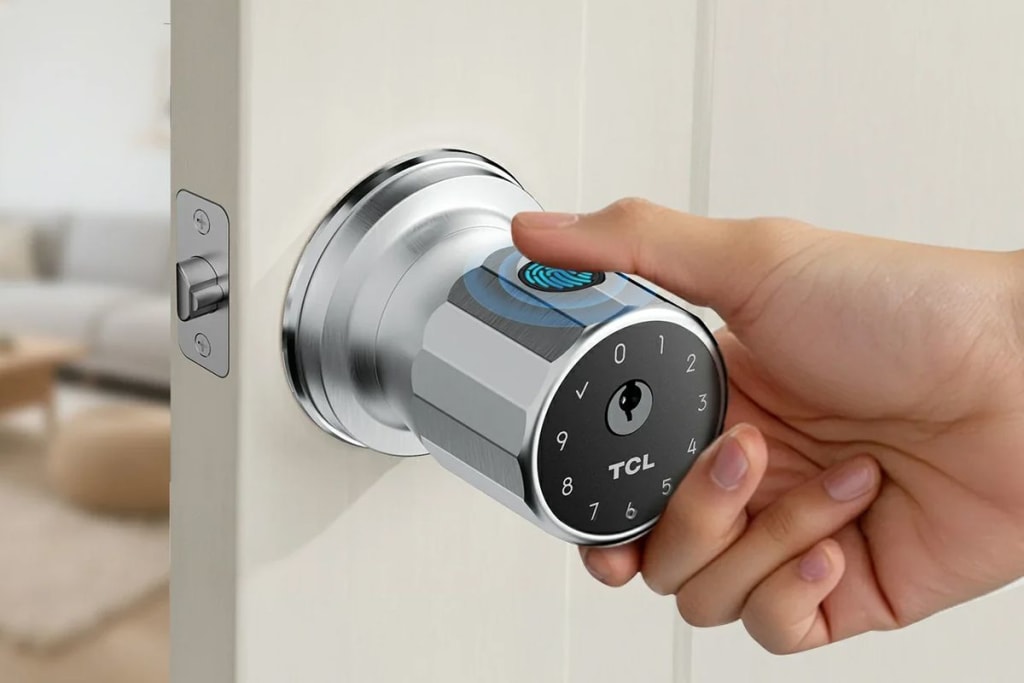
Rising demand for smart home automation, growing security concerns, and the integration with IoT ecosystems are driving smart lock adoption worldwide, supported by technological advancements in biometric authentication, voice control, and wireless connectivity. According to IMARC Group's latest data, the global smart lock market size was valued at USD 2.7 Billion in 2024. Looking forward, IMARC Group estimates the market to reach USD 9.9 Billion by 2033, exhibiting a CAGR of 15.43% from 2026-2033. North America currently dominates the market, holding a market share of over 40.9% in 2024.
Smart locks now represent a rapidly expanding global market that combines security, convenience, and cutting-edge technology. The industry is experiencing strong momentum driven by widespread smartphone adoption, with 4.88 billion users worldwide representing nearly 60% of the global population. This connectivity enables remote access, real-time notifications, and seamless integration with home automation platforms like Amazon Alexa, Google Assistant, and Apple HomeKit.

Smart Lock Market Growth Drivers:
- Rising Security Concerns and Enhanced Protection Features
Security worries are pushing homeowners and businesses toward smarter locking solutions. Traditional mechanical locks remain vulnerable to picking and forced entry, while smart locks offer real-time alerts, access logs, and remote monitoring that give users much greater control over who enters their property. The ability to grant temporary access codes to guests or service providers, then revoke them immediately, addresses a common pain point in property management.
- Smartphone Penetration and Mobile App Integration
The explosion in smartphone ownership has created the perfect foundation for smart lock adoption. With smartphone penetration exceeding 85% in developed markets and 4.88 billion users worldwide, mobile devices have become the universal control interface for home security. The rollout of 5G networks minimizes latency for cloud-managed unlocking, while ultra-wideband chips enable proximity-based doors that automatically unlock for registered users.
- Government Smart City Programs and Building Regulations
Government initiatives are emerging as powerful catalysts for market expansion. Smart city programs worldwide are integrating advanced security technologies as foundational components of connected urban infrastructure. The U.S. invested USD 22 billion in smart city technology in 2018 alone, with USD 80 billion globally driving widespread implementation of access control systems.
Smart Lock Market Trends:
- Biometric Authentication and Advanced Access Methods
Biometric technology is rapidly becoming the preferred authentication method for both residential and commercial smart locks. Fingerprint recognition, facial scanning, and even palm vein scanning are replacing traditional keypads and keys, offering faster and more secure access. The biometric segment is experiencing the fastest growth, projected to expand at a rate exceeding 17% through 2030 as declining sensor prices make these features accessible across price points.
- Matter and Thread Standards Enabling True Interoperability
The introduction of Matter and Thread standards marks a turning point for smart lock compatibility. These protocols guarantee interoperability across different manufacturers, allowing property owners to mix devices while using a single mobile app for control. Matter certification now removes vendor lock-in that previously frustrated consumers, while Thread 1.4 adoption scheduled for 2026 will let new products join existing networks without additional hubs.
- AI-Powered Features and Behavioral Analytics
Artificial intelligence and machine learning are transforming smart locks from passive entry systems into proactive security tools. AI-enhanced locks now offer 3D face recognition with noise-reduction technology, behavioral analytics that detect unusual access patterns, and automated alerts for potential security threats. The integration enables locks to learn user habits, automatically adjust settings based on location through geofencing, and provide predictive maintenance warnings before battery failure.
Recent News and Developments in Smart Lock Market
- June 2025: Yale launched its new Smart Lock with Matter technology designed for seamless integration with Google Home, featuring faster communication, enhanced security, and up to 12 months of battery life. The lock offers remote access and customizable guest profiles, demonstrating the industry's shift toward standardized protocols.
- June 2025: Mygate launched the Lock Pro 2.0, India's first smart lock with a built-in door sensor and support for up to 100 fingerprints. It offers six unlocking methods, real-time notifications, and emergency power options. The lock enhances home security and convenience through the Mygate app and Wi-Fi Gateway for remote access.
Note: If you require specific details, data, or insights that are not currently included in the scope of this report, we are happy to accommodate your request. As part of our customization service, we will gather and provide the additional information you need, tailored to your specific requirements. Please let us know your exact needs, and we will ensure the report is updated accordingly to meet your expectations.
About the Creator
sujeet. imarcgroup
With 2 years of hands-on experience at IMARC Group, I have conducted in-depth market research and analysis across diverse industries including technology, healthcare, agriculture, and consumer goods.
Keep reading
More stories from sujeet. imarcgroup and writers in Futurism and other communities.
Camel Dairy Market Intelligence: Key Producers & Strategic Insights
Rising demand for high-resolution aerial imaging, expanding commercial applications across agriculture and construction, and increasing defense spending on surveillance technologies are driving robust growth in the drone camera market. According to IMARC Group's latest data, the global drone camera market size was valued at USD 10.9 Billion in 2024. Looking forward, IMARC Group estimates the market to reach USD 83.5 Billion by 2033, exhibiting a CAGR of 23.42% from 2025-2033. North America currently dominates the market, holding a market share of over 32.9% in 2024.
By sujeet. imarcgroupa day ago in Futurism
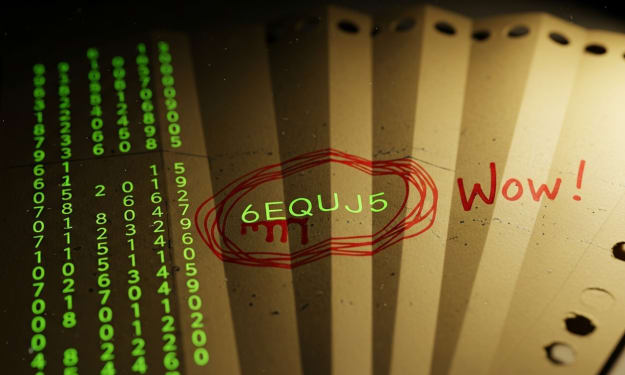
The "Wow!" Signal: The 72 seconds in 1977 when space finally spoke back.
The red ink bled into the grain of the fan-fold paper like a fresh wound. It was August 1977, but the air inside the control room of the "Big Ear" observatory in Ohio smelled of stale percolated coffee and the sharp, metallic tang of an overheated mainframe. Jerry Ehman didn't shout. He didn't gasp. He simply sat there, his eyes fixed on a vertical column of characters that shouldn't have existed.
By The Chaos Cabinet4 days ago in Futurism
The Light Turns
It's Tuesday 7:13 a.m. A cold and clear November morning awaits Ray on his morning commute. Ray rubs his hands together in the front seat of his Subaru. He turns the air temperature up, but keeps the air on low until the air warms up. He looks at the backup camera screen and reverses the Subaru out of his driveway onto Trimble Road.
By John R. Godwinabout 22 hours ago in Fiction



Comments
There are no comments for this story
Be the first to respond and start the conversation.