
Silent Sentinels
Exploring the World of Submarine Ship Classes
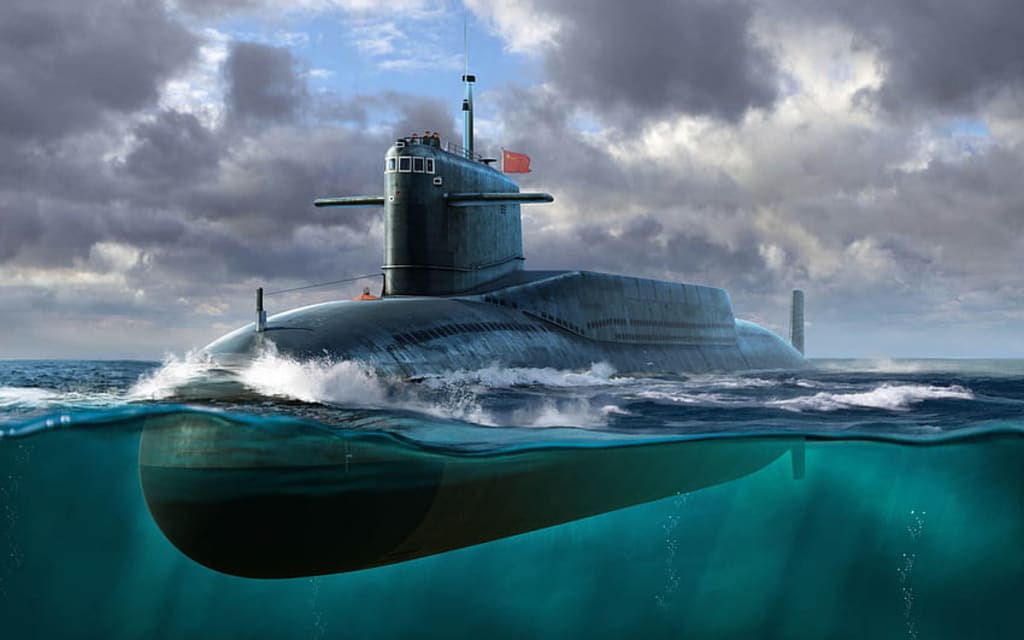
Submarines are a type of naval vessel designed for operations underwater. They come in different classes, each with its own characteristics and capabilities. Here are some notable submarine ship classes:
1. Ohio-class (United States): The Ohio-class submarines are a class of ballistic missile submarines (SSBNs) used by the United States Navy. They are armed with intercontinental ballistic missiles (ICBMs) and are designed for strategic deterrence.
2. Virginia-class (United States): The Virginia-class submarines are fast attack submarines (SSNs) of the United States Navy. They are known for their advanced stealth capabilities, sensor systems, and armament, and they are designed for a variety of missions including anti-submarine warfare, intelligence gathering, and strike missions.
3. Seawolf-class (United States): The Seawolf-class submarines are another class of fast attack submarines used by the United States Navy. They were designed during the Cold War for deep-sea operations and are known for their advanced technology and quietness.
4. Los Angeles-class (United States): The Los Angeles-class submarines are a versatile class of fast attack submarines used by the United States Navy. They have been in service since the 1970s and have undergone various upgrades over the years.
5. Akula-class (Russia): The Akula-class submarines, also known as the Typhoon class, are a class of nuclear-powered ballistic missile submarines (SSBNs) used by the Russian Navy. They are among the largest submarines ever built and carry ballistic missiles for strategic deterrence.
6. Yasen-class (Russia): The Yasen-class submarines are multipurpose nuclear-powered submarines used by the Russian Navy. They are designed for a range of missions, including anti-submarine warfare, land-attack capabilities, and intelligence gathering.
7. Type 212/214 (Germany): The Type 212 and Type 214 submarines are modern diesel-electric submarines used by the German Navy. They are known for their advanced propulsion systems and air-independent propulsion (AIP) technology, which allows them to stay submerged for extended periods.
8. Astute-class (United Kingdom): The Astute-class submarines are nuclear-powered attack submarines used by the Royal Navy of the United Kingdom. They are highly advanced and capable submarines designed for a variety of missions.
These are just a few examples of submarine ship classes, and there are many more classes used by different countries around the world. Each class has its own specific features and capabilities, tailored to meet the operational requirements of the respective navies.Ohio-class (United States):
Pros:
Large and powerful ballistic missile submarines capable of carrying a significant number of intercontinental ballistic missiles.
Provide a key component of the United States' strategic deterrence capabilities.
High endurance and operational range, allowing for extended submerged operations.
Cons:
Limited to the role of strategic deterrence and not as versatile for other mission types.
Expensive to build and maintain.
Wars/Conflicts: The Ohio-class submarines have not been directly involved in any wars, as their primary purpose is strategic deterrence rather than direct engagement.
Virginia-class (United States):
Pros:
Advanced stealth features and sensor systems, making them difficult to detect and enabling effective anti-submarine warfare capabilities.
Versatile platforms capable of conducting various missions, including intelligence gathering, strike missions, and anti-submarine warfare.
Improved operational availability and reduced maintenance requirements compared to previous classes.
Cons:
Reliance on nuclear propulsion limits the number of countries capable of operating these submarines.
Costly to build and maintain.
Wars/Conflicts: Virginia-class submarines have been active in various global conflicts, but specific details on their operational involvement are generally classified.
Akula-class (Russia):
Pros:
Large size and robust construction provide increased survivability and endurance.
Can carry a substantial number of ballistic missiles, contributing to Russia's strategic deterrence capabilities.
Advanced sonar and torpedo systems, making them potent attack submarines.
Cons:
Older designs may lack some of the advanced technologies found in more modern submarine classes.
Limited operational range compared to some other classes.
Wars/Conflicts: Akula-class submarines were not involved in any major wars, but they have participated in exercises and patrols in regions of geopolitical importance.
Type 212/214 (Germany):
Pros:
Advanced air-independent propulsion (AIP) technology allows for longer submerged endurance and reduced acoustic signature.
Stealthy design and low noise levels make them effective in anti-submarine warfare.
Improved safety features, such as non-magnetic construction, reduce the risk of detection.
Cons:
Reliance on diesel-electric propulsion limits their operational range compared to nuclear-powered submarines.
Smaller size and payload capacity compared to larger submarine classes.
Wars/Conflicts: Type 212 submarines have been used by the German Navy for surveillance and reconnaissance missions, but they have not been involved in any major wars.Seawolf-class (United States):
Pros:
Extremely quiet and stealthy submarines, making them difficult to detect and track.
Advanced sensors and weapons systems for effective anti-submarine warfare capabilities.
Capable of conducting a variety of missions, including intelligence gathering and special operations.
Cons:
Limited in production due to high costs, with only three submarines built.
Advanced technology and construction techniques may result in longer maintenance and repair times.
Wars/Conflicts: The Seawolf-class submarines have not been involved in any major wars. However, they have been deployed for intelligence gathering and surveillance operations.
Los Angeles-class (United States):
Pros:
Versatile and widely deployed attack submarines with significant combat capabilities.
Well-established and mature class with a large number of submarines in service.
Can carry a wide range of torpedoes and missiles for various mission profiles.
Cons:
Older submarines may lack some of the advanced technologies found in newer classes.
Increased noise levels compared to more modern designs.
Wars/Conflicts: Los Angeles-class submarines have been actively deployed in numerous conflicts, including the Gulf War, Operation Enduring Freedom, and Operation Iraqi Freedom.
Yasen-class (Russia):
Pros:
Advanced technology and stealth features for improved survivability and reduced detection.
Capable of launching a variety of long-range cruise missiles for land-attack missions.
Designed for both anti-submarine warfare and anti-surface ship warfare.
Cons:
Limited in numbers due to the complexity and cost of construction.
Development and deployment have faced delays and challenges.
Wars/Conflicts: The Yasen-class submarines have been primarily used for training exercises and patrols, and their involvement in specific conflicts is not publicly disclosed.
Astute-class (United Kingdom):
Pros:
Advanced stealth capabilities and quiet operation for enhanced survivability.
Equipped with advanced sensors, communications systems, and weapons for multi-mission capability.
Highly automated and efficient systems reduce crew workload.
Cons:
Relatively high construction and maintenance costs.
Delays and challenges during the construction and commissioning process.
Wars/Conflicts: Astute-class submarines have been deployed for various missions, including intelligence gathering and surveillance, but their direct involvement in specific conflicts remains undisclosed.
It's worth noting that submarine operations are often highly classified, and the full extent of their involvement in wars or conflicts may not be publicly disclosed. The provided information offers a general understanding of the pros and cons of different submarine ship classes and their historical contexts.
About the Creator
Keep reading
More stories from writers in Futurism and other communities.
Offshore Mooring Systems Market: Deepwater Exploration Growth, Marine Anchoring Solutions & Industry Growth Outlook
According to IMARC Group's latest research publication, global offshore mooring systems market size reached USD 1.76 Billion in 2025. Looking forward, IMARC Group expects the market to reach USD 2.43 Billion by 2034, exhibiting a growth rate (CAGR) of 3.47% during 2026-2034.
By sujeet. imarcgroup4 days ago in Futurism
The First Rainbow Baby
Pitter-patter, pitter-patter. The rain fell in rhythmic splatters, slowly slowing, but still constant. Mira rolled onto her side pulling the blanket tight against her ears, but still she could hear chitter-chatter and scurrying feet of the creatures that refused to sleep in the lower decks.
By A. J. Schoenfeldabout 23 hours ago in Fiction



Comments
There are no comments for this story
Be the first to respond and start the conversation.