
Saudi Arabia Meat Market: Rising Protein Demand, Imports & Consumption Growth
How rising protein consumption, evolving dietary preferences, and strengthened supply chains are shaping growth and transforming the Saudi Arabia meat market.

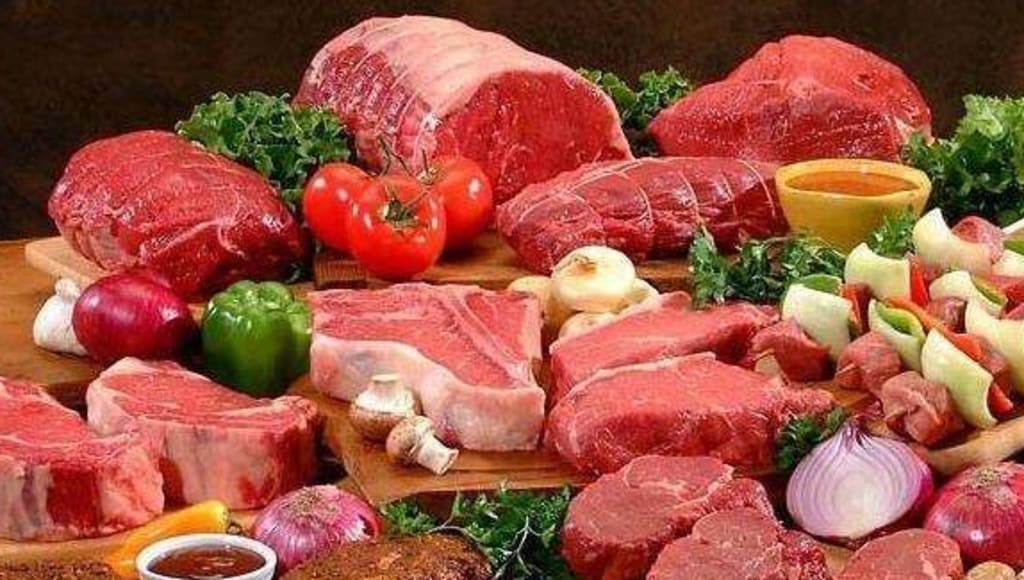
Market Overview
According to the latest report by IMARC Group, the Saudi Arabia meat market was valued at USD 13.99 Billion in 2025. The market is expected to reach USD 21.52 Billion by 2034, expanding at 4.90% annually from 2026 to 2034. Growth is being fueled by steady population increases, urbanization that concentrates consumers in major cities, and evolving dietary preferences that emphasize protein-rich meals. Government efforts under Vision 2030 to boost local meat production—particularly in poultry and red meat—through subsidized feed programs, interest-free loans, and modern slaughterhouse investments are reducing reliance on imports. At the same time, rising disposable incomes are driving demand for premium, organic, and halal-certified products. The market also benefits from expanding retail formats like hypermarkets and online platforms, which make diverse meat options more accessible across the Kingdom.
How AI is Reshaping the Future of Saudi Arabia Meat Market
- Smart sensors and predictive analytics monitor livestock health in real-time, detecting disease early and optimizing feed efficiency to improve meat yield per animal.
- AI-powered quality control systems scan meat products during processing, identifying defects and ensuring halal compliance while reducing waste and maintaining strict safety standards.
- Machine learning algorithms forecast demand patterns based on seasonal trends and religious events, helping processors optimize inventory levels and minimize spoilage across cold chains.
- Automated climate control systems in livestock facilities adjust temperature and humidity to reduce heat stress, particularly important in desert conditions exceeding 50 degrees Celsius.
Get a Sample Report Covering Market Size, Share, and Outlook
How Vision 2030 is Revolutionizing Saudi Arabia Meat Industry
Vision 2030 is driving the meat sector toward greater self-reliance and sustainability through targeted government support and infrastructure development. The Kingdom aims to localize 85% of food production by 2030, with major investments flowing into livestock facilities, feed production, and modern processing plants. The Agricultural Development Fund now finances up to 70% of qualified projects, encouraging private sector participation in large-scale farms and slaughterhouses. Red meat self-sufficiency has climbed from around 30% in 2020 to approximately 60% today, while poultry self-sufficiency reached 71% as of recent reports. Initiatives like the USD 2 billion Livestock City in Hafar Al-Batin and partnerships between SALIC and international meat suppliers are building integrated supply chains that connect local producers, processors, and distributors. These efforts are creating jobs, stabilizing prices, and reducing vulnerability to global supply disruptions.
Market Trends & Drivers
Population Growth and Demographic Expansion: Saudi Arabia's population hit 35.3 million by mid-2024, with over 55% being Saudi citizens and a youthful demographic profile that fuels steady demand for staple proteins. Urban migration patterns concentrate populations in metropolitan centers with established retail infrastructure, facilitating market penetration for modern distribution formats and processed meat categories. The Kingdom's expanding middle class, supported by economic diversification initiatives, is increasing household purchasing power and enabling dietary upgrades toward premium meat products. Government housing initiatives and household formation rates among young Saudi nationals create new consumption units with distinct preferences for convenience and quality, driving sustained demand growth across all meat segments.
Rising Disposable Incomes and Economic Prosperity: GDP growth projected at 3.7% in 2025 is outpacing global averages and lifting consumer spending, which is expected to grow by 4.5% as inflation remains moderate at 2%. Economic development under Vision 2030 is creating employment opportunities across non-oil sectors, elevating household incomes and expanding the middle-class consumer segment with enhanced purchasing power for protein products. Income growth enables dietary upgrading from lower-cost protein sources toward premium meat categories including imported cuts, organic products, and specialty items previously considered discretionary purchases. The prosperity effect manifests through higher per capita meat consumption rates as households allocate larger budget shares to food categories emphasizing nutritional quality and variety, supporting consistent demand patterns that encourage supply chain investments.
Premiumization and Quality-Conscious Purchasing: Saudi consumers increasingly focus on quality, traceability, and ethical sourcing when making meat purchases, moving away from purely price-based decision-making and embracing value-based buying. In 2025, BRF launched its first line of chilled chicken products produced in Saudi Arabia, reducing reliance on export sales by improving local supplies in this key market. Retailers respond by allocating shelf space to premium product lines, forging direct links with certified farms, and introducing blockchain-enabled monitoring systems that enable customers to verify product origin via smartphone apps. This shift particularly resonates with younger, urban consumers who value transparency, commanding higher margins while fostering brand loyalty among more affluent consumer groups seeking organic certifications, antibiotic-free labeling, and transparently documented supply chains.
Market Segmentation
The report has segmented the market into the following categories:
By Type:
- Raw
- Processed
By Product:
- Chicken
- Beef
- Mutton
- Others
By Distribution Channel:
- Supermarkets and Hypermarkets
- Departmental Stores
- Specialty Stores
- Online Stores
- Others
By Region:
- Northern and Central Region
- Western Region
- Eastern Region
- Southern Region
Recent News and Developments
- December 2025: Waleem Meat Factory, the biggest and most modern meat processing plant in Saudi Arabia, officially opened in Buraidah, Al-Qassim. This cutting-edge facility, boasting a production capacity of 60 tons daily, represents an important achievement in the Kingdom's pursuit of food security and economic diversification, aligned with Saudi Vision 2030.
- October 2025: Marfrig Global Foods and BRF finalized terms with Halal Products Development Company (HPDC) to expand a joint venture in Saudi Arabia. BRF transferred its distribution operations in Kuwait, Oman, Qatar, Saudi Arabia, and the UAE into the joint venture named BRF Arabia Holding, which is owned by Saudi Arabia's sovereign wealth fund, the Public Investment Fund.
- July 2025: BRF, a prominent Brazilian meat processor, announced the launch of its first line of chilled chicken products produced locally in Saudi Arabia. This initiative represents a strategic effort by BRF to enhance its presence in Saudi Arabia, aiming to capture a 10% market share within 18 months as Saudi Arabia's chilled chicken demand reached 300,000+ metric tons.
- April 2025: BRF and Halal Products Development Company (HPDC) announced a new food processing facility in Jeddah, Saudi Arabia. The USD 160 million investment in the unit strengthens BRF Arabia's position in the Saudi market and reinforces the food safety partnership with the Kingdom, focusing on processed poultry- and beef-based products with an annual production capacity of 40,000 tons.
- March 2025: Hilton Foods formed a long-term partnership with The National Agricultural Development Company (NADEC) in Saudi Arabia, extending the company's presence in the Middle East. Hilton Foods will own a 49% share in the joint venture and invest £6.5 million in an initial total of SAR 60 million for the facility, planned to continue for a decade, merging Hilton Foods' skills in meat processing and packaging with NADEC's established cattle operations.
Note: If you require specific details, data, or insights that are not currently included in the scope of this report, we are happy to accommodate your request. As part of our customization service, we will gather and provide the additional information you need, tailored to your specific requirements. Please let us know your exact needs, and we will ensure the report is updated accordingly to meet your expectations.
About the Creator
Jeffrey Wilson
Hello, I’m Jeffrey Wilson, a market research specialist with over 9 years of experience in uncovering consumer insights and driving data-backed strategies.
Keep reading
More stories from Jeffrey Wilson and writers in Futurism and other communities.
Saudi Arabia EV Battery Cooling Systems Market: Thermal Management Innovation & EV Expansion
Market Overview According to the latest report by IMARC Group, the Saudi Arabia EV battery cooling systems market was valued at USD 36.2 Million in 2025. The market is expected to reach USD 123.8 Million by 2034, expanding at 14.64% annually from 2026 to 2034. This growth is being fueled by government-backed EV initiatives under Vision 2030, the harsh desert climate where surface temperatures frequently exceed 50 degrees Celsius, and strategic partnerships between local entities and global automotive manufacturers establishing production facilities throughout the Kingdom.
By Jeffrey Wilsonabout 11 hours ago in Futurism
About Binding Prometheus
I want to start actively advocating on behalf of my own work, and the most valuable part of my canon is, without a doubt, Binding Prometheus, the play I have been working on since 2019 and only finished in 2023 as part of my MA. The play itself is an amalgamation of a million different inspirations. On one end, it evokes the Ancient Greek myth-play, deriving its own title from the earliest extant work of Western drama we have, Aeschylus’s Prometheus Bound. On the other end, it borrows significantly from the sci-fi bulwarks from over the years, namely Mary Shelley’s Frankenstein and Karel Capek’s Rossum’s Universal Robots. The play could be an episode of Black Mirror, I fear. I don’t know. I’ve only ever seen one episode of Black Mirror.
By Steven Christopher McKnight28 days ago in Futurism
How a Personal Injury Lawyer Protects You from Common Legal Traps
Introduction An accident, whether a fender-bender in traffic or a slip-and-fall in a grocery store—can seem straightforward at first. However, dealing with insurance forms, deadlines, and legal requirements quickly becomes stressful and complicated. Navigating these challenges alone leaves many people vulnerable to mistakes that harm their ability to recover compensation.
By Zair Fateh Alia day ago in Futurism




Comments
There are no comments for this story
Be the first to respond and start the conversation.