
Saudi Arabia Dust Control Solutions Market: Industrial Demand, Environmental Compliance & Growth Outlook
How advanced suppression technologies, stricter environmental regulations, and rising infrastructure and mining activity are improving air quality, operational safety, and compliance across the Saudi Arabia dust control solutions ma

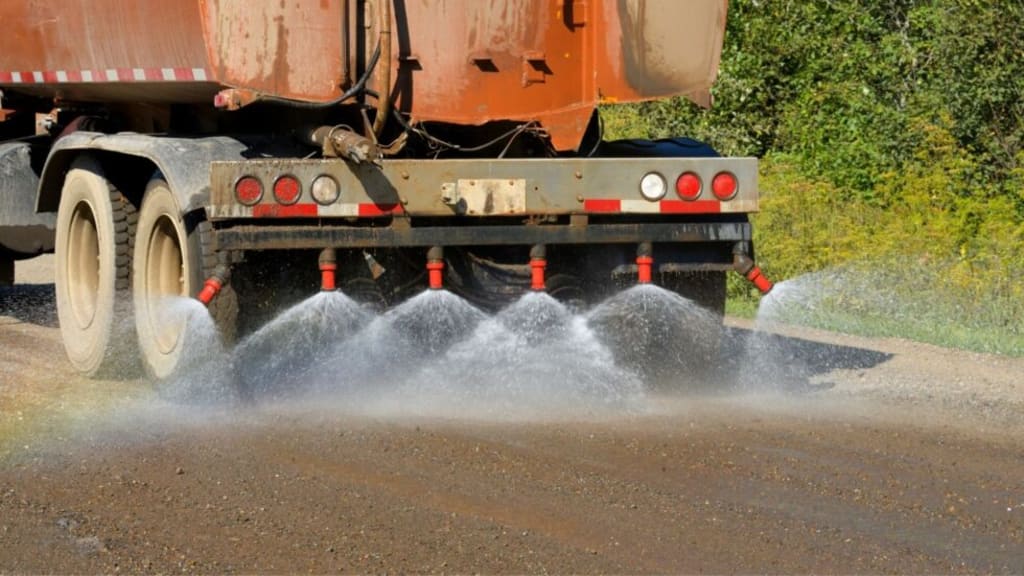
Rising construction activity driven by Vision 2030 mega-projects, expanding mining operations, and growing awareness about worker health and safety are fueling demand for dust suppression systems in Saudi Arabia. According to IMARC Group’s latest research, the The Saudi Arabia dust control solutions market size reached USD 167.1 Million in 2025. Looking forward, IMARC Group expects the market to reach USD 238.7 Million by 2034, exhibiting a growth rate (CAGR) of 4.04% during 2026-2034.
Dust control solutions have become critical infrastructure across Saudi Arabia’s expanding industrial landscape. The Kingdom’s extensive construction boom, mining sector expansion, and oil and gas operations all generate substantial dust emissions that require sophisticated suppression technologies. These solutions range from wet scrubbers and electrostatic precipitators to advanced cyclone collectors and vacuum dust systems, each engineered to tackle specific operational challenges. The market encompasses both temporary mobile units for construction sites and permanent installations for mining and industrial facilities, reflecting the diverse needs across different sectors.
Get a Complimentary Sample Report with the Latest Market Intelligence
Saudi Arabia Dust Control Solutions Market Growth Drivers:
- Mega-Project Construction Boom Under Vision 2030
The Kingdom’s giga-projects are generating unprecedented construction activity that demands sophisticated dust control infrastructure. Knight Frank reports that Saudi Arabia awarded construction contracts worth $196 billion across Vision 2030 projects in 2025, representing a 20% jump from the previous year. Massive developments including NEOM ($24 billion in contracts to date), Qiddiya, and the Diriyah Gate project require comprehensive dust management systems to protect workers and nearby communities. With more than 382,500 new homes, 3 million square meters of office space, and extensive infrastructure under construction simultaneously, dust suppression has become essential for maintaining safe work environments and meeting regulatory requirements across hundreds of active construction sites.
- Accelerating Mining Sector Expansion
Saudi Arabia’s mining industry is experiencing explosive growth that directly drives dust control equipment demand. The Ministry of Industry and Mineral Resources reports that exploration spending surged to $280.5 million in 2024, up from just $55 million in 2020. The number of active exploration companies jumped from 6 in 2020 to 226 in 2024, a remarkable 38-fold increase. In the first half of 2025 alone, the Kingdom issued 22 new mining exploitation licenses representing over $35.7 million in investment. With 160 drilling projects completed in 2024 compared to 58 in 2023, and 72% of exploration budgets directed toward gold and 23% toward copper, mining operations across the Kingdom require robust dust suppression systems to protect workers and comply with environmental standards.
- Environmental Protection Commitments and Dust Storm Reduction
The Saudi Green Initiative is driving substantial investment in dust control as part of broader environmental goals. The Ministry of Environment, Water and Agriculture reports that dust storm occurrences dropped by 63% between 2020 and 2024, thanks to comprehensive tree-planting programs and dust mitigation efforts. Saudi Arabia has planted 137 million trees to date as part of its target to plant 10 billion trees by 2030, with over 600 million trees expected by 2030. The Air Quality Improvement Initiative allocates $2.1 billion toward pollution monitoring networks and dust storm reduction projects, targeting a 70% reduction in air pollution levels across major cities including Riyadh, Jeddah, and Dammam. These commitments create strong regulatory drivers for industrial dust control adoption.
Saudi Arabia Dust Control Solutions Market Trends:
- Integration of AI and IoT for Real-Time Monitoring
Advanced sensor networks and artificial intelligence are transforming how dust control systems operate across Saudi construction and mining sites. AI-powered monitoring enables automated response mechanisms that adjust suppression system activation based on real-time dust concentration levels, wind conditions, and operational activity. IoT-enabled devices provide continuous data streams that optimize water usage in wet suppression systems and predict maintenance needs before equipment failures occur. Smart city initiatives in Riyadh, Jeddah, and planned developments like The Line utilize these technologies to reduce environmental impacts by 40% compared to conventional approaches. This trend toward intelligent, data-driven dust management allows operators to minimize water consumption while maximizing suppression effectiveness.
- Advanced Cooling Technologies Addressing Dual Heat and Dust Challenges
Innovative solutions combining dust control with temperature reduction are gaining traction in Saudi Arabia’s extreme climate. Researchers from UNSW Sydney proposed advanced cooling technologies and reflective materials that could reduce temperatures in Riyadh by up to 4.5°C while simultaneously addressing dust storm impacts. These integrated systems tackle both urban heat island effects and airborne particulate matter, offering compound benefits for quality of life and environmental sustainability. The technologies reduce energy consumption in cooling systems, a critical consideration given Saudi Arabia’s climate. As mega-projects progress across the western corridor and Riyadh, developers increasingly specify dual-purpose systems that manage both thermal comfort and dust suppression in a single integrated solution.
- Regional Collaboration on Sand and Dust Storm Prediction
Saudi Arabia is leading international efforts to enhance dust storm monitoring and early warning capabilities. In December 2024, the Kingdom’s UNCCD COP16 Presidency launched an international initiative for sand and dust storm monitoring, committing $10 million over five years to expand global prediction capabilities. This builds on the World Meteorological Organization’s Sand and Dust Storm Warning Advisory and Assessment System based in Jeddah. The initiative aims to improve monitoring in countries lacking resources, helping industries across the region anticipate major dust events and activate suppression systems preemptively. Enhanced forecasting allows mining operations, construction sites, and industrial facilities to implement protective measures before dust storms arrive, reducing equipment damage and health risks.
Recent News and Developments in Saudi Arabia Dust Control Solutions Market
- December 2024: Saudi Arabia’s UNCCD COP16 Presidency launched an international initiative for sand and dust storm monitoring, enhancing global early warning systems. This effort builds on the World Meteorological Organization’s existing capacity, including the Sand and Dust Storm Warning Advisory and Assessment System based in Jeddah. The initiative aims to improve monitoring in countries lacking resources, with Saudi Arabia committing $10 million over five years to expand global dust storm prediction capabilities.
- January 2024: Researchers from UNSW Sydney proposed advanced cooling technologies and reflective materials to reduce temperatures in Riyadh by up to 4.5°C. This strategy aims to combat extreme heat and dust storms common in the capital city while enhancing environmental sustainability and quality of life. The solution addresses challenges posed by climate change, rapid urban expansion, and frequent dust exposure.
- July 2024: The executive director of the Sand and Dust Storm Warning Regional Center highlighted a significant decline in dust storms in Saudi Arabia, attributing it to the Kingdom’s environmental efforts under Vision 2030. This includes the Saudi Green Initiative, which has planted 137 million trees to date with a target of 10 billion trees, alongside regional collaborations on dust storm mitigation demonstrating measurable environmental improvements.
Note: If you require specific details, data, or insights that are not currently included in the scope of this report, we are happy to accommodate your request. As part of our customization service, we will gather and provide the additional information you need, tailored to your specific requirements. Please let us know your exact needs, and we will ensure the report is updated accordingly to meet your expectations.
About the Creator
Faisal Al-Harbi
Market research professional based in Saudi Arabia (KSA), focused on industry trends, market growth, and economic insights.
Writing data-driven articles on Saudi markets, business outlook, and Vision 2030–driven sectors.
Keep reading
More stories from Faisal Al-Harbi and writers in Futurism and other communities.
Saudi Arabia Wound Care Market: Clinical Innovation, Aging Population & Growth Forecast
The demand for better wound management is accelerating across Saudi Arabia, driven by a surge in chronic health conditions, significant government investment in healthcare infrastructure, and a rapid uptake of advanced medical technologies. According to IMARC Group's latest research, the Saudi Arabia wound care market was worth USD 0.22 Billion in 2024. Looking ahead, the market is projected to reach USD 0.32 Billion by 2033, growing at a CAGR of 4.35% from 2025 to 2033.
By Faisal Al-Harbia day ago in Futurism
Baby Food and Infant Formula Market Outlook: Nutrition Trends and Growth Opportunities
Rising awareness of infant nutrition, increasing working parent populations, and growing demand for convenient, fortified baby food are driving growth in the baby food and infant formula market. According to IMARC Group's latest research publication, The global baby food and infant formula market size reached USD 53.73 Billion in 2024. Looking forward, IMARC Group expects the market to reach USD 84.06 Billion by 2033 exhibiting a growth rate (CAGR) of 4.58% during 2025-2033
By James Whitman5 days ago in Futurism




Comments
There are no comments for this story
Be the first to respond and start the conversation.