
Saudi Arabia Cold Chain Market: Food Security, Pharma Logistics & Growth Outlook
How temperature-controlled logistics, advanced refrigeration technologies, and growing demand from food, pharmaceutical, and healthcare sectors are enhancing product integrity, supply chain efficiency, and market growth across the Saudi Arabia cold chain market.

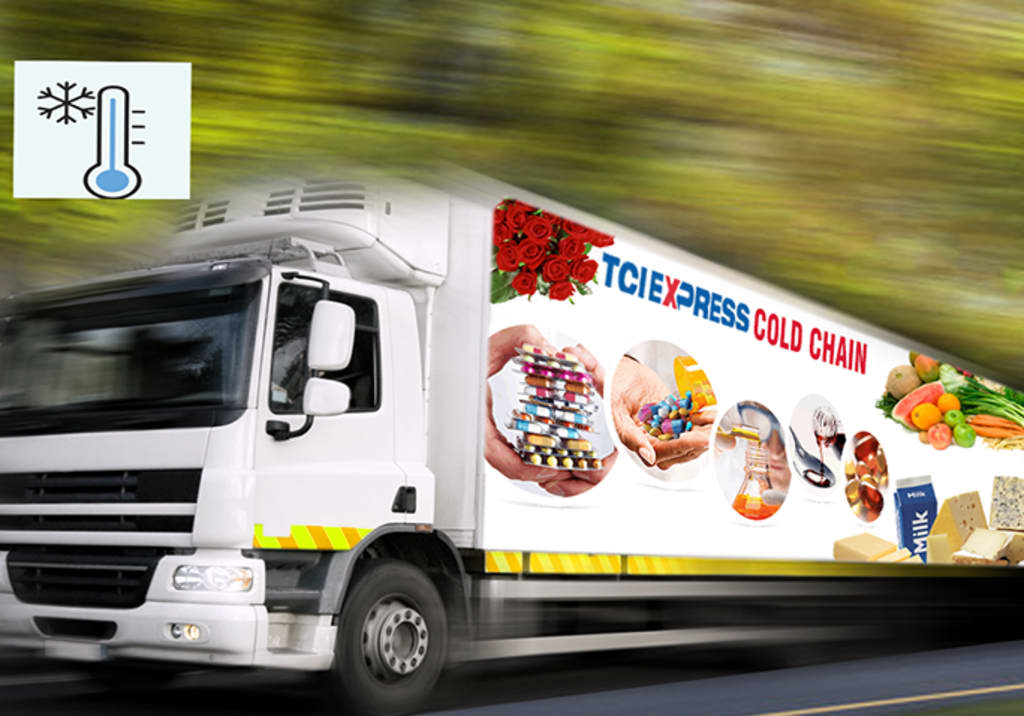
According to IMARC Group's latest research publication, The Saudi Arabia cold chain market size was valued at USD 3.5 Billion in 2025 and is projected to reach USD 15.9 Billion by 2034, growing at a compound annual growth rate of 18.31% from 2026-2034.
How AI is Reshaping the Future of Saudi Arabia Cold Chain Market
- Optimizing Temperature Monitoring: AI-powered IoT sensors deliver real-time monitoring, ensuring precise temperature control and cutting product spoilage by up to 40% across pharmaceutical and food distribution networks in the Kingdom.
- Enhancing Predictive Maintenance: Advanced AI algorithms predict equipment failures before they happen, minimizing downtime in refrigeration systems and keeping temperature-sensitive goods safe throughout the supply chain.
- Streamlining Route Optimization: AI-driven logistics platforms optimize delivery routes for refrigerated vehicles, reducing fuel use and ensuring faster, more efficient distribution of perishables across Saudi Arabia's expanding retail networks.
- Automating Warehouse Operations: Smart cold storage facilities implement AI-powered robotics and automated inventory management, improving efficiency and reducing labor costs while maintaining strict temperature compliance standards.
- Supporting Regulatory Compliance: AI-based monitoring systems ensure adherence to Saudi Food and Drug Authority regulations, providing automated documentation and real-time alerts for compliance across the cold chain network.
How Vision 2030 is Revolutionizing Saudi Arabia Cold Chain Industry
Saudi Arabia's Vision 2030 is fundamentally reshaping the cold chain landscape through strategic infrastructure investments and economic diversification initiatives. The government has earmarked USD 133 billion for new roads, ports, airports, and 59 logistics centers spanning 100 million square meters. Twenty-one of these centers are already under construction, integrating with the Fasah customs portal to reduce import dwell times. Major infrastructure projects including NEOM, the Red Sea Project, and expansions at King Abdullah Port are creating substantial demand for advanced cold storage and distribution capabilities. The National Industrial Development and Logistics Program aims to position Saudi Arabia as a regional logistics hub, with cold chain infrastructure as a cornerstone. Government initiatives targeting 80% poultry self-sufficiency require massive investment in temperature-controlled supply chains, while the Saudi Logistics Hub initiative aims to attract USD 10 billion in foreign investment, driving rapid modernization of cold chain technologies across pharmaceuticals, fresh produce, dairy, and frozen goods sectors.
Saudi Arabia Cold Chain Market Trends & Drivers:
The pharmaceutical and healthcare sectors are driving unprecedented demand for sophisticated cold chain solutions across Saudi Arabia. The pharmaceuticals market reached USD 9.4 Billion, with biologics, vaccines, and temperature-sensitive medicines requiring strict temperature monitoring and ultra-low-temperature storage facilities ranging from -20°C to -80°C. The Saudi Food and Drug Authority enforces stringent regulations for storage of biologics and vaccines, pushing logistics providers to invest in GDP-certified facilities and real-time tracking technologies. Personalized medicine and biotechnology adoption are increasing reliance on advanced refrigeration, with clinical trial materials and specialty drugs requiring consistent temperature control. Energy-optimization pilots using AI and machine learning offer 20% reduction in refrigeration energy usage, addressing both operational costs and sustainability goals while ensuring uninterrupted cold conditions for high-value pharmaceutical products throughout the supply chain.
E-commerce is transforming cold chain logistics in Saudi Arabia, with the Kingdom registering 40,953 e-commerce firms by Q4 2024—a 10% increase from the previous period. Online grocery sales surged 35% annually according to the Saudi Arabian Monetary Authority, with consumers increasingly ordering fresh and frozen products online and expecting timely, high-quality deliveries. The e-commerce sector is projected to reach USD 15 billion, with online platforms driving logistics providers to invest in refrigerated warehouses, delivery vehicles, and smart temperature-tracking systems. Last-mile delivery innovations ensure product freshness at every transit stage, with seasonal promotions and high-demand events like Ramadan further increasing perishable delivery volumes. In mid-2024, CEVA-Almajdouie launched 14 high-tech fulfillment centers in Jeddah specifically targeting temperature-sensitive e-commerce goods, reflecting how digital penetration—with 91% of Saudis shopping online—is pushing warehousing toward tech-enabled micro-fulfillment hubs equipped for cold chain needs.
Food waste reduction has become a critical priority for Saudi Arabia's cold chain development, with the Ministry of Environment, Water and Agriculture reporting substantial annual losses: 444,000 tons of poultry meat, 22,000 tons of lamb, 13,000 tons of camel meat, 69,000 tons of fish, and 41,000 tons of other meats wasted annually. Cold chain infrastructure serves as a vital solution to minimize waste and extend shelf life of perishable items, directly contributing to food security—a top government priority given the Kingdom's reliance on imports for up to 80% of some food categories. The Saudi Arabia Cold Storage Market recorded 8.7% year-on-year growth, with capacity rising 5.4% by early 2025 in Riyadh, Makkah, and Eastern Province. Investments in advanced logistics solutions including cold warehouses, refrigerated distribution centers, and smart monitoring systems are reducing spoilage across the supply chain, supporting the government's USD 1.2 billion allocation for food safety initiatives under Vision 2030.
Saudi Arabia Cold Chain Market Industry Segmentation:
The report has segmented the market into the following categories:
Type Insights:
- Storage
- Facilities/Services
- Refrigerated Warehouse
- Cold Room
- Equipment
- Blast Freezer
- Walk-in Cooler and Freezer
- Deep Freezer
- Others
- Transportation
- By Mode
- Road
- Sea
- Rail
- Air
- By Offering
- Refrigerated Vehicles
- Refrigerated Containers
- Packaging
- Crates
- Insulated Containers and Boxes
- Large (32 to 66 liters)
- Medium (21 to 29 liters)
- Small (10 to 17 liters)
- X-small (3 to 8 liters)
- Petite (0.9 to 2.7 liters)
- Cold Chain Bags/Vaccine Bags
- Ice Packs
- Others
- Monitoring Components
- Hardware
- Sensors
- RFID Devices
- Telematics
- Networking Devices
- Others
- Software
- On-premises
- Cloud-based
Temperature Range Insights:
- Chilled (0°C to 15°C)
- Frozen (-18°C to -25°C)
- Deep-frozen (Below -25°C)
- Application Insights:
- Food and Beverages
- Fruits and Vegetables
- Fruit Pulp and Concentrates
- Dairy Products
- Milk
- Butter
- Cheese
- Ice Cream
- Others
- Fish, Meat, and Seafood
- Processed Food
- Bakery and Confectionary
- Others
- Pharmaceuticals
- Vaccines
- Blood Banking
- Others
- Others
Regional Insights:
- Northern and Central Region
- Western Region
- Eastern Region
- Southern Region
Competitive Landscape:
The competitive landscape of the industry has also been examined along with the profiles of the key players.
Recent News and Developments in Saudi Arabia Cold Chain Market
- October 2024: Port Development Company (PDC) and MEDLOG revealed a strategic partnership to establish a state-of-the-art cold storage facility at King Abdullah Port, involving an investment of 300 Million Saudi Riyals. This 60,000-square-meter facility will significantly enhance operational capabilities for perishable goods with cutting-edge temperature control technology.
- October 2024: CEVA Logistics and Almajdouie Logistics finalized their joint venture, CEVA Almajdouie Logistics, headquartered in Dammam with around 2,000 employees and over 2,000 assets, aimed at enhancing Saudi Arabia's cold chain capabilities in alignment with Vision 2030 goals.
- April 2025: Cold Chain Technologies introduced the CCT Tower Elite, a reusable 1600L pallet shipper equipped with multi-temperature management and IoT-enabled monitoring, improving safe transport of temperature-sensitive products and increasing delivery reliability across the Kingdom.
- May 2025: The Saudi Warehousing & Logistics Expo 2025 welcomed over 18,000 professionals and 400+ exhibitors showcasing 3,500+ cold chain solutions, establishing strategic partnerships and generating high-value leads for temperature-controlled logistics infrastructure development.
Note: If you require specific details, data, or insights that are not currently included in the scope of this report, we are happy to accommodate your request. As part of our customization service, we will gather and provide the additional information you need, tailored to your specific requirements. Please let us know your exact needs, and we will ensure the report is updated accordingly to meet your expectations.
About the Creator
Faisal Al-Harbi
Market research professional based in Saudi Arabia (KSA), focused on industry trends, market growth, and economic insights.
Writing data-driven articles on Saudi markets, business outlook, and Vision 2030–driven sectors.
Keep reading
More stories from Faisal Al-Harbi and writers in Futurism and other communities.
Saudi Arabia Luxury Travel Market: Ultra-Premium Experiences, Mega Tourism Projects & Growth Outlook
Rising affluence, shifting travel preferences, and government-led infrastructure development are driving luxury travel demand in Saudi Arabia, supported by Vision 2030 initiatives, mega-project investments, and expanding international connectivity. The Kingdom's strategic positioning as a premium destination is attracting high-net-worth individuals seeking exclusive experiences that blend cultural authenticity with contemporary luxury offerings across diverse tourism segments.
By Faisal Al-Harbiabout 23 hours ago in Futurism
AI-Enabled Fitness App Development for Women Guide
Fitness App Development for Women has emerged as a powerful segment within the digital health ecosystem as women increasingly seek personalized, flexible, and holistic wellness solutions. Unlike generic fitness platforms, women-centric fitness apps are designed to address unique physiological, emotional, and lifestyle needs such as hormonal cycles, pregnancy, postpartum recovery, menopause, and mental well-being. This growing demand is fueled by rising health awareness, increased smartphone adoption, and the expanding role of technology in preventive healthcare, making Fitness App Development a strategic investment for businesses targeting long-term engagement and impact.
By Steve Waugh4 days ago in Futurism
Food Grade Alcohol Market Trends: Beverage Applications, Clean Label Demand & Outlook to 2033
Rising consumer awareness around natural ingredients, expanding pharmaceutical applications, and the push for healthier food and beverage options are driving demand for food-grade alcohol across multiple sectors. According to IMARC Group's latest data, The global food grade alcohol market size was valued at USD 9.2 Billion in 2024. Looking forward, IMARC Group estimates the market to reach USD 13.6 Billion by 2033, exhibiting a CAGR of 4.28% from 2025-2033.
By Andrew Sullivanabout 24 hours ago in Futurism




Comments
There are no comments for this story
Be the first to respond and start the conversation.