
Safeguarding Digital Assets: Key Strategies for Web3 Security
Protecting Your Digital Assets: Essential Web3 Security Strategies

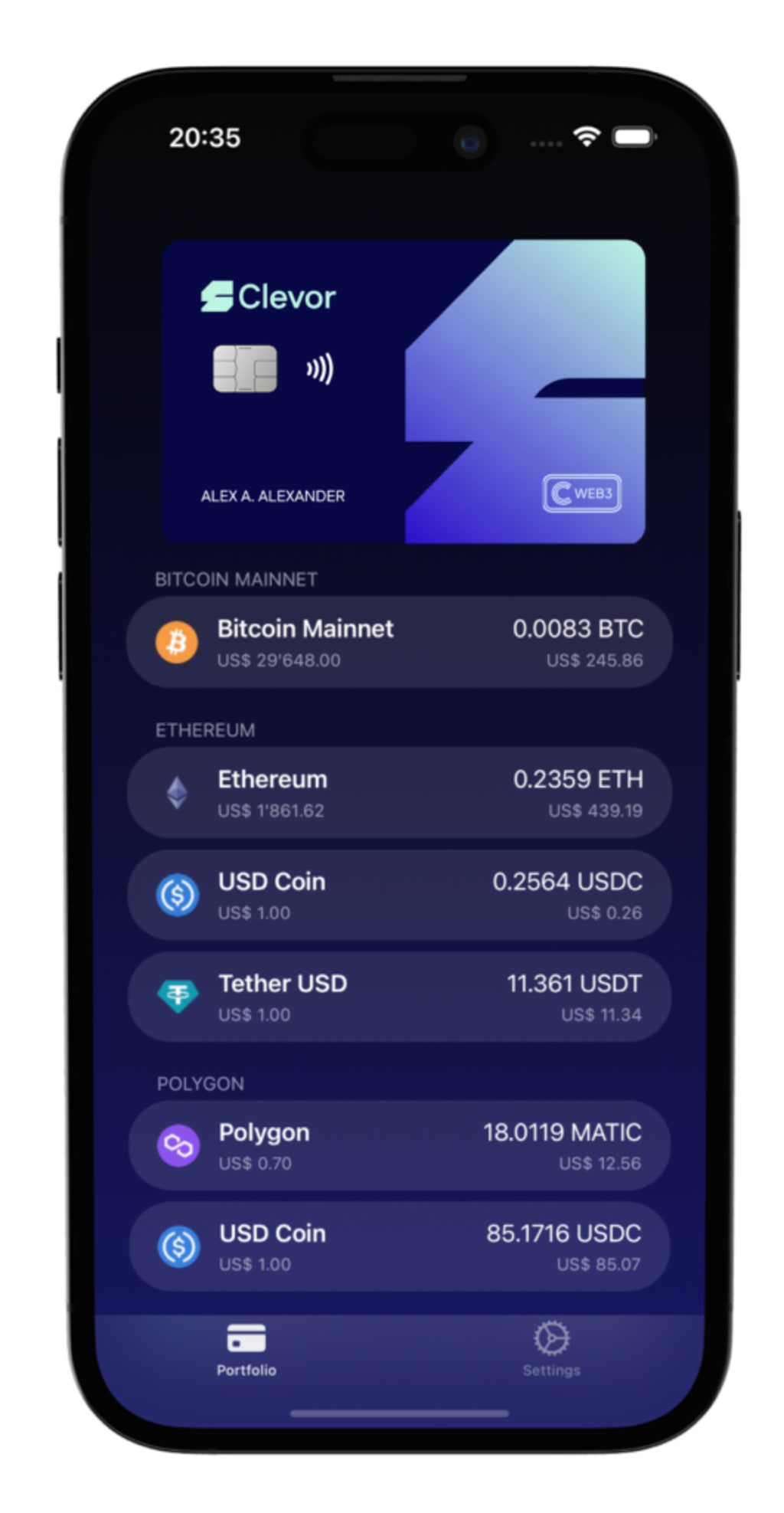
The more the digital landscape evolves, the more the risks evolve as well. The decentralized internet in the form of Web3 with blockchain technology opens up new possibilities for digital ownership and security. However, it comes with its own set of challenges. Be it managing cryptocurrency, using dApps, or verifying transactions, security stands as a necessity.
In this guide, we’ll explore key strategies to safeguard digital assets in the Web3 space by using various strategies and platforms like Clevor Cards and navigate this ecosystem safely.
Understanding Web3 Security Risks
Unlike traditional internet systems, Web3 is built on decentralization, removing the need for intermediaries. While this enhances privacy and control, it also shifts security responsibilities directly to users. Some of the most common threats in Web3 security include:
Phishing Attacks: Scam sites and messages fraudulently gain private keys or login credentials.
Smart Contract Vulnerabilities: Poorly developed smart contracts that hackers can manipulate.
Malware and Wallet Hacks: Malware attacks on wallets result in losing the assets
Rug Pulls and Scams: Scams steal investors' money and leave without a trace.
Private Key Mismanagement: Losing or exposing private keys leads to permanent asset loss.
This enables users to take proactive steps in security improvements.
Major Web3 Security Strategies
Using a Safe Digital Wallet
A digital wallet is the preliminary need to interact with the Web3 network. The choice of a good type of wallet may influence the security levels.
Cold Wallets (Hardware Wallets): Private keys are stored offline. Private keys cannot be reached when being online, hence no risk of cyber attacks.
Hot Wallets: They are internet-connected and easy to use but require more care.
Multi-Signature Wallets: It requires more than one approval before the execution of a transaction, and hence, there is an added layer of security.
Wallets must always come from good sources and must have features such as 2FA.
Be Careful with Smart Contracts
Smart contracts are self-executing agreements on the blockchain. Badly written contracts, however, can have holes that hackers exploit. To stay safe:
- Only interact with audited smart contracts from trusted sources.
- Verify contract details before approving transactions.
- Keep an eye out for updates, as developers may patch security vulnerabilities over time.
Protect Your Private Keys and Seed Phrases
Private keys and seed phrases are the two essential parts of digital asset security. One loses access to funds if they lose either. Implement the following best practices:
- Never share your private key or seed phrase with anyone.
- Store them offline in a safe place, like a hardware wallet or a written backup.
- Never use cloud services or digital notes; they might get hacked.
Verify dApps Before Use
Decentralized applications, or dApps, allow users to interact with blockchain networks. However, not all dApps are secure. To prevent falling into scams:
- Use only dApps from reputable sources and known providers.
- Read the feedback of users and community discussions before connecting your wallet.
- Restrict permissions while using dApps so that there is no unauthorized access to your funds.
Avoid Phishing Scams
Phishing attacks trick users into providing sensitive information through fake websites or messages. To avoid falling victim:
- Always check the website URLs before you input your credentials.
- Be wary of unsolicited emails or messages asking for private information.
- Use browser extensions that alert you to phishing sites.
Keep Software and Devices Updated
Cybercriminals often take advantage of outdated software to access digital assets. To stay secure, ensure you:
- Keep updating your wallet applications and operating systems.
- Ensure updates for all smart contracts and dApps you engage with.
- Use security software to prevent malware intrusion, as well as firewalls.
Educate Yourself and Stay Updated
Even the threats evolve with the Web3 space. The more informed the users are, the better they can protect their assets.
- Follow good cybersecurity sources and blockchain communities.
- Learn from past security incidents to avoid repeating the same mistakes.
- Attend security training and awareness programs if offered.
The Future of Web3 Security
With advancements in blockchain technology, security solutions are also being improved. Innovative ideas such as multi-party computation (MPC), decentralized identity verification, and AI-driven security tools are making interactions in Web3 safer. Personal security measures, however, remain essential.
At Clevor Cards, we are revolutionizing the way you navigate the digital world. Our advanced smart cards are tailored for the Web3 era: managing crypto transactions, interacting with dApps, or verifying identity in the Web3 ecosystem. Our technology is secure and ensures that data is safe while still offering a seamless experience. Visit our website for more information!
About the Creator
Clevor Cards
Clevor Cards specializes in secure and user-friendly solutions for digital asset management while setting a new benchmark in reliable user identification.
Keep reading
More stories from Clevor Cards and writers in Futurism and other communities.
Why Web3 Security is Crucial for the Future of Digital Transactions?
The digital world has seen an enormous shift due to the rise of Web3 technologies in recent times. Web3 is the third generation of the internet and focuses on decentralization, blockchain technology, and user autonomy. While there are immense opportunities for individuals and businesses through such a shift, it also generates new security threats.
By Clevor Cards12 months ago in Futurism
About Binding Prometheus
I want to start actively advocating on behalf of my own work, and the most valuable part of my canon is, without a doubt, Binding Prometheus, the play I have been working on since 2019 and only finished in 2023 as part of my MA. The play itself is an amalgamation of a million different inspirations. On one end, it evokes the Ancient Greek myth-play, deriving its own title from the earliest extant work of Western drama we have, Aeschylus’s Prometheus Bound. On the other end, it borrows significantly from the sci-fi bulwarks from over the years, namely Mary Shelley’s Frankenstein and Karel Capek’s Rossum’s Universal Robots. The play could be an episode of Black Mirror, I fear. I don’t know. I’ve only ever seen one episode of Black Mirror.
By Steven Christopher McKnight18 days ago in Futurism




Comments
There are no comments for this story
Be the first to respond and start the conversation.