
Why Web3 Security is Crucial for the Future of Digital Transactions?
Understanding the Importance of Web3 Security in Shaping the Future of Digital Transactions

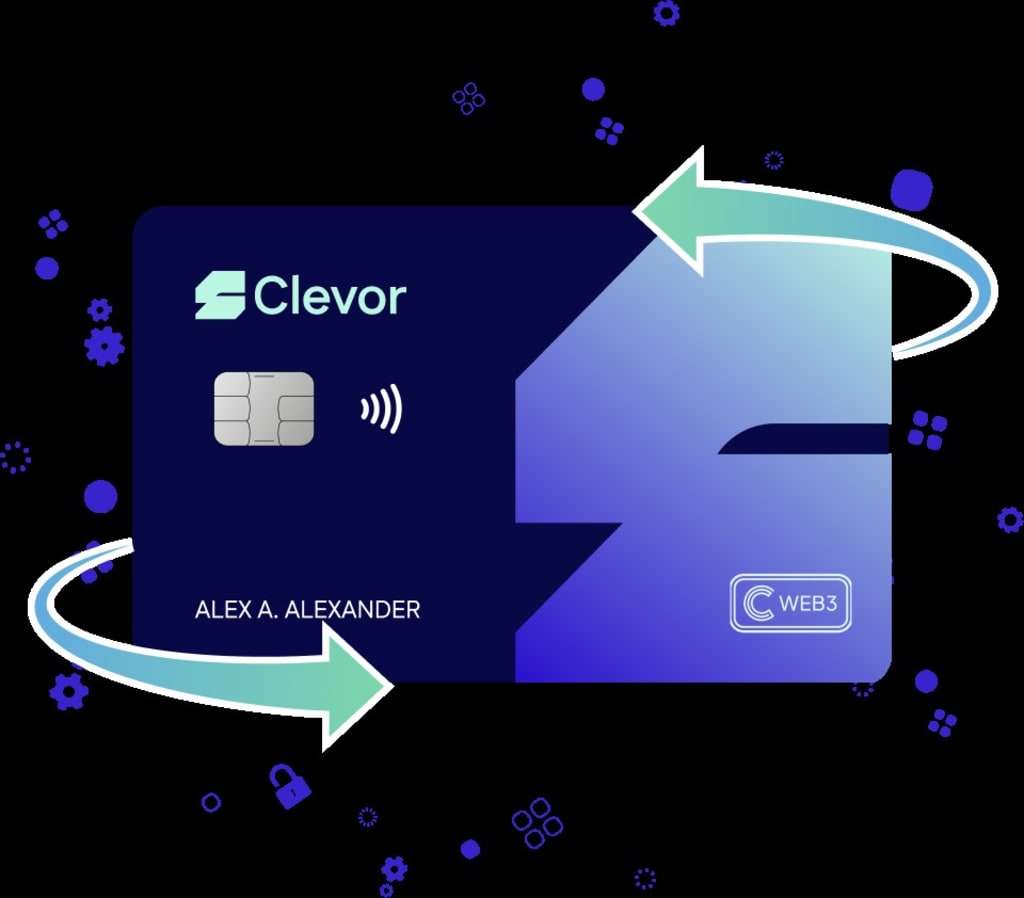
The digital world has seen an enormous shift due to the rise of Web3 technologies in recent times. Web3 is the third generation of the internet and focuses on decentralization, blockchain technology, and user autonomy. While there are immense opportunities for individuals and businesses through such a shift, it also generates new security threats.
Web3 is the success and safety of digital transactions in a changing Internet landscape. This blog explains why Web3 security is critical to the future of digital transactions and how it is an integral part of decentralized ecosystems' security.
The Rise of Web3 and Digital Transactions
Web3 refers to a decentralized web where the individual controls his data, assets, and identities. Blockchain-based Web3 technology helps the user interact with each other in a peer-to-peer way, bypassing third-party institutions such as banks or central agencies. Web3 promises to help people so that they would be able to have control over their digital activity and achieve greater privacy and transparency in interactions.
The most direct application of Web3 is with digital transactions. The advent of cryptocurrencies along with decentralized finance applications, has now made it easy for users to make secure, trustless, and reliable transactions. Blockchain, in particular, enables the system to be fully transparent, irreversible, and more efficient. There are, of course, many new security risks that must now be mitigated to ensure both digital assets and user information.
Why Web3 Security is Important
In all traditional digital systems, security is usually provided by a central authority. Such third parties include bank and tech companies. These central authorities will deal with all sensitive information and transactions. For Web3, there is no third party involved; therefore, security is decentralized and left to the users and the participants of the network.
As decentralized as this sounds, it carries many benefits; however, along with that come specific security threats that need to be addressed so that the future of digital transactions can thrive.
Protection Against Cyberattacks
While cyberattacks will always be on the cards of any digital medium, Web3 is not a different case; however, there is a developed security system by Web3 in place to deter several attack vectors. The most common type of attack in Web3 is an attack on smart contracts, where vulnerabilities are exploited. These are self-executing contracts that automatically execute transactions based on predefined conditions and can be susceptible to coding errors or bugs. These vulnerabilities can be exploited, and this may lead to the loss of assets and hacking into users' funds.
Web3 security prevents these types of risks by ensuring that smart contracts are adequately tested and audited before deployment. Additionally, strong encryptions and cryptographic techniques protect sensitive data; therefore, hackers have little chance of breaching it.
Protection of User Privacy
The core value of Web3 is privacy, and a user should feel free to participate in digital transactions without the fear of surveillance or unapproved access to personal data. More traditional financial systems rely on centralized authority, gathering and storing data from users; this data may be compromised if data breaches occur. On the other hand, Web3 technologies rely on decentralized networks where users own the data.
Another aspect that ensures the privacy of users is covered well in transactions is Web3 security. Web3 encryption protocols and zero-knowledge proofs provide a private transaction system, which will not reveal private information to third parties but maintain the integrity of the transaction, hence making Web3 safer and more private than its traditional financial counterparts.
Prevention of Fraud and Scams
Decentralized Web3 puts the responsibility of their security in the hands of the users. This sometimes increases the vulnerability of potential fraud and scams. There are cases like phishing, in which hackers take the disguise of legitimate platforms, steal users' private keys or seed phrases, and others like rug pulls, in which the developers set up fake projects, take away all the money with them, and disappear from the ecosystem.
Solutions in Web3 security provide education to users about the possibilities of risk and tools to prevent fraud. Hardware wallets and secure key management practices are all essential pieces of protection against fraudulent activities by people. Decentralized identity systems are also being developed to give maximum control over personal information to users and make identity theft nearly impossible.
Role of Clevor Cards in Web3 Security
At Clevor Cards, we understand the importance of securing digital transactions in the Web3 space. Our platform delivers cutting-edge solutions to secure and maintain privacy over Web3 transactions. Advanced cryptographic techniques and smart contract auditing will be employed to protect our users from vulnerabilities and cyberattacks. We concentrate on user privacy and fraud prevention, and integrity in transactions as a way of ensuring a safe environment for the adoption of Web3.
As Web3 continues to shape the future of digital transactions, Clevor Cards is committed to supporting the ecosystem with reliable and secure solutions that empower users and businesses alike. Our platform ensures that Web3 security remains at the forefront of the digital revolution, offering peace of mind to those navigating the decentralized world.
About the Creator
Clevor Cards
Clevor Cards specializes in secure and user-friendly solutions for digital asset management while setting a new benchmark in reliable user identification.
Keep reading
More stories from Clevor Cards and writers in Futurism and other communities.
The Role of Smart Cards in Secure Identity Verification in the Web3 Era
The Web3 era has pushed a digital revolution through decentralized applications (dApps), blockchain networks, and cryptocurrency transactions. This is where the development of the digital landscape increases the critical need for secure and efficient methods of identity verification compared to previous times.
By Clevor Cardsabout a year ago in Futurism
About Binding Prometheus
I want to start actively advocating on behalf of my own work, and the most valuable part of my canon is, without a doubt, Binding Prometheus, the play I have been working on since 2019 and only finished in 2023 as part of my MA. The play itself is an amalgamation of a million different inspirations. On one end, it evokes the Ancient Greek myth-play, deriving its own title from the earliest extant work of Western drama we have, Aeschylus’s Prometheus Bound. On the other end, it borrows significantly from the sci-fi bulwarks from over the years, namely Mary Shelley’s Frankenstein and Karel Capek’s Rossum’s Universal Robots. The play could be an episode of Black Mirror, I fear. I don’t know. I’ve only ever seen one episode of Black Mirror.
By Steven Christopher McKnight18 days ago in Futurism
RegTech Market: Regulatory Complexity, Automation & Market Opportunities
According to IMARC Group's latest research publication, global RegTech market size reached USD 18.6 Billion in 2025. Looking forward, IMARC Group expects the market to reach USD 77.0 Billion by 2034, exhibiting a growth rate (CAGR) of 17.10% during 2026-2034.
By Andrew Sullivan6 days ago in Futurism
Miss Persephone's Manual to a Seemingly Ordinary Life
Miss Persephone was found at the dining table, her blue eyes swollen, her tears arriving and retreating like the tides of the ocean. Earlier that day, her family had visited her in the retirement home where she had lived for eight years. It was her eightieth birthday.
By Imola Tóth4 days ago in Fiction



Comments
There are no comments for this story
Be the first to respond and start the conversation.