
Revolutionizing Supply Chain Management with Blockchain Technology:
A Comprehensive Guide

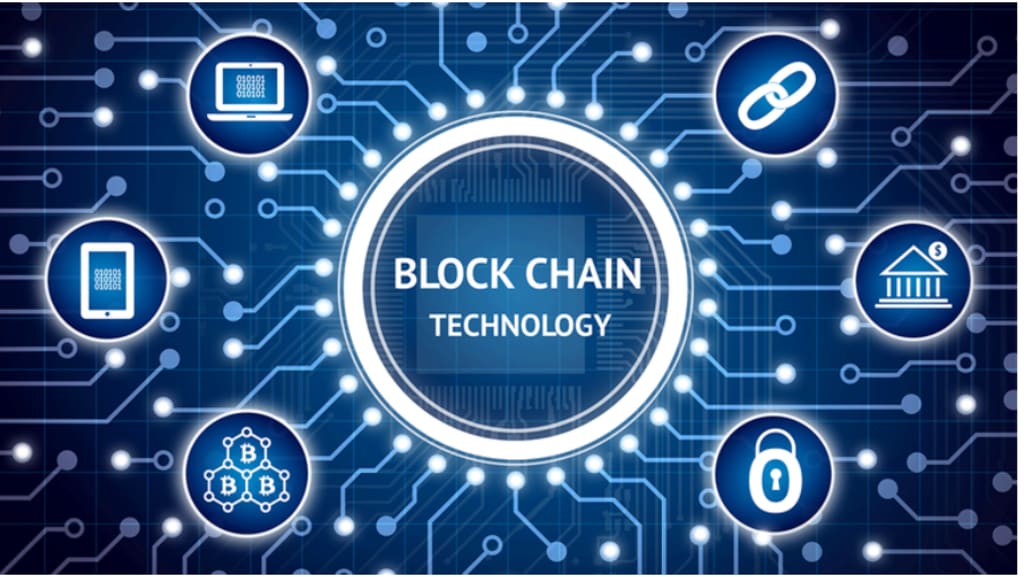
In recent years, blockchain technology has emerged as a powerful tool that has the potential to revolutionize supply chain management. With the ability to create a transparent and immutable ledger, blockchain technology can bring much-needed transparency, efficiency, and security to supply chain management. This article will explore the role of blockchain technology in supply chain management, its benefits, and some of the most promising use cases.
What is Blockchain Technology?
At its core, blockchain technology is a distributed ledger that allows for the creation of an immutable record of transactions. Unlike traditional ledgers, which are centralized and can be edited by a single authority, blockchain technology is decentralized, meaning that every participant in the network has a copy of the ledger, and any changes to it must be approved by the majority of the network.
How Does Blockchain Technology Work in Supply Chain Management?
In the context of supply chain management, blockchain technology can help create a transparent and secure ledger of all transactions between suppliers, manufacturers, distributors, and retailers. This can help eliminate some of the inefficiencies and vulnerabilities that exist in traditional supply chains, such as delays, errors, fraud, and lack of transparency.
By using blockchain technology, supply chain participants can create a shared ledger that contains all the relevant information about the products being shipped, including their origin, quality, and ownership. This can help reduce the risk of fraud, as all participants have access to the same information and can verify the authenticity of the products they receive.
Furthermore, blockchain technology can also help improve the efficiency of supply chains by automating many of the manual processes that currently exist. For example, blockchain-based smart contracts can automatically execute transactions once certain conditions are met, such as the delivery of a product or the completion of a payment.
Benefits of Using Blockchain Technology in Supply Chain Management
There are several benefits to using blockchain technology in supply chain management, including:
1. Increased Transparency: By creating a shared ledger that contains all the relevant information about products and transactions, blockchain technology can help increase transparency and reduce the risk of fraud.
2. Improved Efficiency: By automating many of the manual processes that currently exist in supply chains, blockchain technology can help improve efficiency and reduce delays.
3. Enhanced Security: By creating an immutable ledger that cannot be altered, blockchain technology can help enhance security and reduce the risk of fraud and errors.
4. Better Traceability: By creating a transparent and immutable record of all transactions, blockchain technology can help improve traceability and accountability throughout the supply chain.
Promising Use Cases of Blockchain Technology in Supply Chain Management
There are several promising use cases for blockchain technology in supply chain management, including:
1. Food Safety: Blockchain technology can be used to create a transparent and immutable ledger of all the relevant information about the food being shipped, including its origin, quality, and safety. This can help reduce the risk of foodborne illness and improve consumer confidence in the food they eat.
2. Pharmaceuticals: Blockchain technology can be used to create a transparent and immutable ledger of all the relevant information about pharmaceuticals, including their origin, quality, and ownership. This can help reduce the risk of counterfeit drugs and improve patient safety.
3. Logistics: Blockchain technology can be used to create a transparent and secure ledger of all the relevant information about shipments, including their origin, destination, and status. This can help reduce delays and improve efficiency in the logistics industry.
4. Luxury Goods: Blockchain technology can be used to create a transparent and immutable ledger of all the relevant information about luxury goods, including their origin, ownership, and authenticity. This can help reduce the risk of counterfeit goods and improve consumer confidence in the luxury goods industry.
Conclusion
In conclusion, blockchain technology has the potential to revolutionize supply chain management by increasing transparency, improving efficiency, enhancing security, and providing better traceability. The technology can create a shared ledger that contains all the relevant information about products and transactions, thereby reducing the risk of fraud and errors.
There are several promising use cases for blockchain technology in supply chain management, including food safety, pharmaceuticals, logistics, and luxury goods. By implementing blockchain technology in these areas, supply chain participants can improve safety, reduce delays, and enhance consumer confidence.
Despite the numerous benefits of blockchain technology, there are still some challenges that need to be addressed. For example, the technology is still relatively new, and many supply chain participants may not be familiar with its use cases and implementation. Furthermore, the cost of implementing blockchain technology can be high, and there may be resistance from some participants who are reluctant to share sensitive information.
However, as the technology continues to evolve and become more widely adopted, it is likely that we will see more use cases of blockchain technology in supply chain management. With its ability to create a transparent and secure ledger, blockchain technology has the potential to transform supply chain management into a more efficient, secure, and trustworthy process.
About the Creator
Muhammad Sarib Ali
Sarib is an experienced Content Writer with 5 years of experience in the CNet industry. He is a creative and analytical thinker with a passion for creating high-quality content and crafting compelling stories.
Keep reading
More stories from Muhammad Sarib Ali and writers in Futurism and other communities.
Exploring the Future of Virtual Reality:
Virtual reality (VR) is no longer just a technology for gamers and enthusiasts. In recent years, it has gained significant attention from various industries, including healthcare, education, entertainment, and even tourism. As technology advances, the future of virtual reality looks promising with its potential to revolutionize how we interact with the world around us.
By Muhammad Sarib Ali3 years ago in Futurism
How I Turned One Automation Prompt Into a Tiny AI Business That Runs Itself
I turned a single, well‑designed automation prompt into a tiny AI business that runs almost entirely on autopilot: buyers find it, pay for it, get onboarded, and start using it with almost no involvement from me. The entire system is a prompt + a few no‑code workflows. In this article I’ll walk through how I did it, what I’d do differently, and how you can build your own AI automation asset without writing a line of backend code.
By abualyaanarta day ago in Futurism
Australia Luxury Fashion Market: Rising Affluent Demand, Digital & Retail Expansion & Sustainability Trends
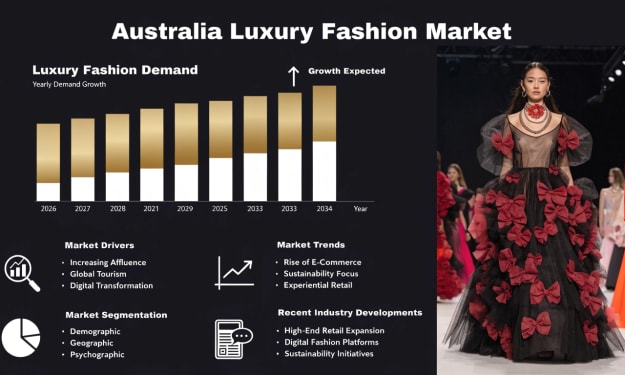
According to IMARC Group, the Australia luxury fashion market reached USD 5.2 Billion in 2025 and is projected to grow to USD 6.8 Billion by 2034, exhibiting a compound annual growth rate (CAGR) of 2.95% during 2026–2034. The steady expansion of the market reflects rising disposable incomes, growing affluent consumer segments, and evolving lifestyle aspirations across Australia. Luxury apparel, footwear, handbags, and accessories are increasingly viewed as lifestyle investments rather than occasional indulgences. As digital retail channels expand and sustainability becomes central to brand positioning, Australia luxury fashion market share continues to evolve within a competitive global landscape.
By Kevin Cooper8 days ago in Futurism
TUS NUA - ch 53
TUS NUA – ch 53 New Beginnings – Mia and Midnight (*)(*)(*) Finola knew Ali’s brother-in-law needed to put his mind at rest. She fed her arm through his and led him outside. “We’ll sit here. If you like, I can put a block around us so our conversation will be private.”
By Margaret Brennan2 days ago in Fiction



Comments
There are no comments for this story
Be the first to respond and start the conversation.