
Revolutionizing Agriculture: Biotechnology's Vital Role in Enhancing Crop Varieties, Disease Resistance, and Yield Gains to Fuel Agricultural Advancement
Biotechnology

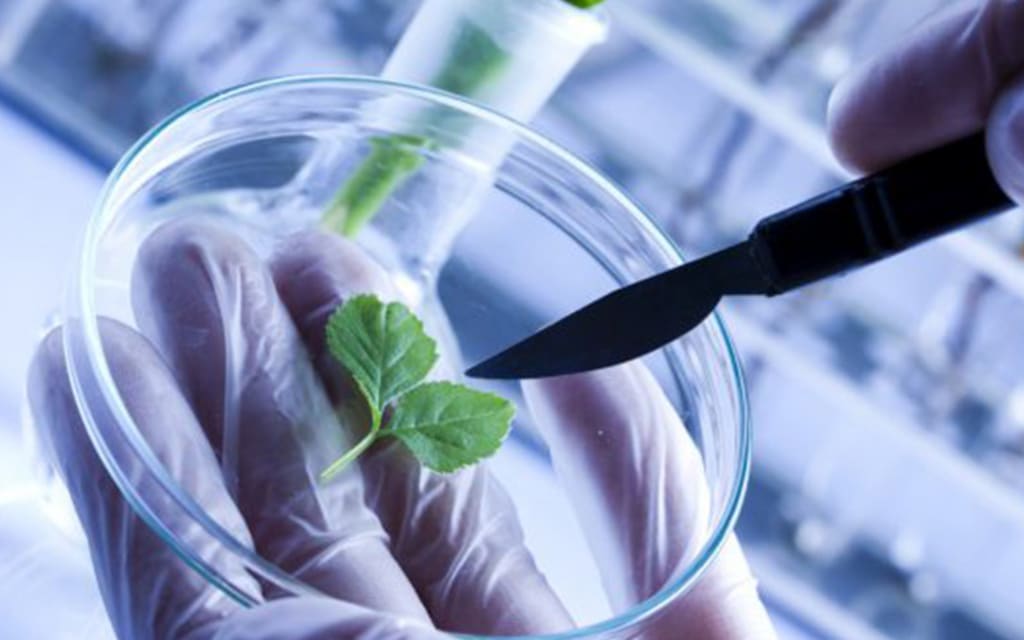
The world's population is growing at an unprecedented rate, placing increasing demands on agriculture to produce more food, fiber, and bioenergy. Simultaneously, climate change, shrinking arable land, and the emergence of new plant diseases and pests pose significant challenges to traditional agricultural practices. In this context, biotechnology has emerged as a powerful tool to address these challenges and revolutionize agriculture. By leveraging the principles of genetics and molecular biology, biotechnology plays a pivotal role in improving crop varieties, increasing resistance to diseases and pests, and boosting yields. This article explores the applications of biotechnology in agriculture and highlights how it is driving progress and innovation in global food production.
Enhancing Crop Varieties
Traditionally, crop improvement has been a slow and labor-intensive process involving selective breeding. However, biotechnology has accelerated this process exponentially through genetic modification. Genetic engineering allows scientists to introduce specific genes into crops, leading to the development of improved varieties with desirable traits. These traits may include resistance to pests, tolerance to abiotic stresses like drought and salinity, enhanced nutritional content, and improved post-harvest storage qualities.
One of the most significant examples of crop improvement through biotechnology is the development of genetically modified (GM) crops. For instance, Bt (Bacillus thuringiensis) genes have been inserted into various crops, such as corn and cotton, to confer resistance against insect pests. This reduced the need for chemical insecticides, resulting in both environmental and economic benefits. Similarly, researchers have successfully introduced genes responsible for nitrogen fixation into certain crops, like soybeans, reducing the need for synthetic fertilizers and promoting sustainable agricultural practices.
Increasing Disease Resistance
Plant diseases can cause devastating losses in agricultural productivity. Biotechnology offers promising solutions to enhance the resistance of crops against harmful pathogens. Through genetic engineering, plants can be equipped with genes that provide resistance against specific diseases, bolstering their natural defense mechanisms.
An illustrative example of biotechnology's impact on disease resistance is the development of virus-resistant papaya. In the 1990s, the Hawaiian papaya industry was on the verge of collapse due to the papaya ringspot virus (PRSV). However, scientists successfully introduced a gene from the virus into the papaya, which conferred resistance to PRSV. This breakthrough saved the Hawaiian papaya industry and demonstrated the potential of biotechnology to combat devastating plant diseases.
Additionally, biotechnology has aided in the development of plants resistant to fungal, bacterial, and other viral pathogens. These advancements not only protect crops but also reduce the reliance on chemical pesticides, fostering environmentally sustainable agricultural practices.
Boosting Yield Gains
Enhancing agricultural productivity is critical to meet the demands of a growing population. Biotechnology has contributed significantly to yield gains by improving the efficiency of nutrient uptake, photosynthesis, and overall plant growth.
One notable biotechnological innovation is the development of genetically modified herbicide-tolerant crops. These crops are engineered to withstand the application of specific herbicides, allowing farmers to control weeds effectively without harming the crops. This results in higher yields and reduced production costs, benefiting farmers worldwide.
Another major breakthrough has been the development of stress-tolerant crops. Climate change has led to more frequent and severe environmental stresses, such as drought and heatwaves. Biotechnology has enabled the creation of crops that can withstand such adverse conditions, ensuring stable yields even in challenging environments.
Driving Progress and Innovation in Agricultural Production
Biotechnology's applications in agriculture have not only provided solutions to immediate challenges but have also opened up new avenues for research and innovation. The study of plant genomics has accelerated with the advent of biotechnology, allowing scientists to better understand the genetic makeup of crops and their interactions with the environment.
This deeper understanding of plant genetics has led to more targeted breeding efforts and the identification of valuable genes for crop improvement. It has also facilitated the development of gene-editing technologies like CRISPR-Cas9, which allows for precise modifications in plant genomes without the introduction of foreign genes. Gene editing shows great promise in developing crops with enhanced traits while navigating certain regulatory complexities associated with GM crops.
Furthermore, biotechnology has promoted the concept of "precision agriculture," wherein the application of fertilizers, water, and other inputs can be tailored to meet the specific needs of individual plants or regions. This approach optimizes resource utilization, reduces waste, and ensures sustainable agricultural practices.
Challenges and Ethical Considerations
While biotechnology offers immense potential in revolutionizing agriculture, it is not without challenges and ethical considerations. One of the primary concerns surrounding GM crops is their impact on biodiversity and potential unintended effects on non-target organisms. Ensuring rigorous safety assessments and environmental monitoring is crucial to address these concerns.
Moreover, the debate around intellectual property rights and access to biotechnological innovations raises questions about equitable distribution and benefit-sharing, particularly for farmers in developing countries.
The application of biotechnology in agriculture has brought about a transformative shift in the way we produce food and other agricultural products. By enhancing crop varieties, increasing resistance to diseases and pests, and boosting yields, biotechnology has become an indispensable tool in addressing global food security challenges. As technology continues to evolve, it is crucial to strike a balance between innovation and responsible use to ensure a sustainable and equitable future for agriculture. Embracing the potential of biotechnology while addressing the ethical and environmental concerns it raises will be key to achieving a thriving and resilient agricultural sector for generations to come.
About the Creator
Reynol Brennan
A small blogger who shares emotions, life, life insights, and short stories, and provides everyone with happiness, growth, and common sense of life.
Keep reading
More stories from Reynol Brennan and writers in Futurism and other communities.
Unearthing the Future with Digital Farming
As the world population continues to grow, so does the demand for food and agricultural products. In the face of climate change, dwindling natural resources, and the need for sustainable practices, traditional farming methods are being challenged to meet the demands of the modern age. In this context, digital farming emerges as a revolutionary solution, combining technology and agriculture to address the challenges of the 21st century. This article explores the concept of digital farming, its benefits, and the transformative potential it holds for the future of agriculture.
By Reynol Brennan3 years ago in Futurism
About Binding Prometheus
I want to start actively advocating on behalf of my own work, and the most valuable part of my canon is, without a doubt, Binding Prometheus, the play I have been working on since 2019 and only finished in 2023 as part of my MA. The play itself is an amalgamation of a million different inspirations. On one end, it evokes the Ancient Greek myth-play, deriving its own title from the earliest extant work of Western drama we have, Aeschylus’s Prometheus Bound. On the other end, it borrows significantly from the sci-fi bulwarks from over the years, namely Mary Shelley’s Frankenstein and Karel Capek’s Rossum’s Universal Robots. The play could be an episode of Black Mirror, I fear. I don’t know. I’ve only ever seen one episode of Black Mirror.
By Steven Christopher McKnight19 days ago in Futurism
UAE Retail Market: Consumer Spending Shifts, Omnichannel Growth & Future Outlook
According to IMARC Group's latest research publication, UAE retail market size reached USD 145.3 Billion in 2024. The market is projected to reach USD 227.1 Billion by 2033, exhibiting a growth rate of 5.1% during 2025-2033.
By Abhay Rajput5 days ago in Futurism



Comments
There are no comments for this story
Be the first to respond and start the conversation.