
Qualifications and Certifications Required for a Commercial Building Inspector Career
Building Inspector Career

Are you intrigued by the world of commercial building inspection? Do you aspire to have a rewarding career where you play a crucial role in ensuring the safety and compliance of commercial structures? If so, you've come to the right place. In this article, we delve deep into the realm of commercial building inspection and shed light on the qualifications and certifications necessary for building a thriving career in this field. Commercial building inspectors are the unsung heroes behind the scenes, responsible for assessing the integrity of structures, identifying potential hazards, and ensuring compliance with building codes and regulations.
However, navigating the path to becoming a commercial building inspector can be daunting without proper guidance. This article aims to demystify the process by providing valuable insights into the qualifications and certifications that pave the way to a stellar career in this field. Whether you're a novice seeking entry into the industry or an experienced professional looking to advance your career, this comprehensive guide will equip you with the knowledge needed to unlock the secrets of success as a commercial building inspector.

Educational Requirements
Becoming a commercial building inspector requires a combination of educational qualifications and practical training. While a high school diploma or its equivalent is the minimum educational requirement, aspiring inspectors often pursue additional education to enhance their knowledge and credibility in the field. Many colleges and universities offer relevant degree programs, such as construction management, civil engineering, or architecture, which provide a strong foundation in building sciences, codes, and regulations. These programs equip students with the technical expertise and critical thinking skills necessary for a successful career in commercial building inspection.
In addition to formal education, vocational training and certifications play a vital role in the development of a commercial building inspector's expertise. Vocational training programs focus on practical skills and hands-on experience, allowing individuals to gain a deeper understanding of construction techniques, materials, and inspection procedures. These programs often offer specialised courses in areas such as electrical systems, plumbing, HVAC (heating, ventilation, and air conditioning), and structural analysis. Furthermore, obtaining industry-specific certifications can significantly enhance an inspector's professional profile. Certifications from reputable organisations such as the International Code Council (ICC), American Society of Home Inspectors (ASHI), and National Association of Commercial Building Inspectors & Thermographers (NACBI) demonstrate a commitment to excellence and adherence to industry standards.
By combining a high school diploma or equivalent, relevant college degree programs, and vocational training with certifications, aspiring commercial building inspectors can lay a solid foundation for their career. This comprehensive approach ensures a well-rounded skill set, covering both theoretical knowledge and practical expertise. Whether you choose to pursue a degree program or opt for vocational training and certifications, investing in your education and professional development is a crucial step towards becoming a competent and successful commercial building inspector.
Industry-Specific Certifications
In Australia, commercial building inspectors can bolster their qualifications and professional standing by obtaining certifications from reputable organisations. These certifications not only validate their expertise but also provide a competitive edge in the industry. One such organisation is the International Code Council (ICC), which offers a range of certifications relevant to commercial building inspection. These certifications, such as the Certified Building Official (CBO) and Certified Commercial Building Inspector (CCBI), demonstrate proficiency in understanding and applying building codes, regulations, and standards.
Another esteemed certification body is the Australian Society of Building Consultants (ASBC). ASBC provides certifications that are highly regarded in the industry, including certifications for building inspections and building surveying. These certifications offer a comprehensive validation of an inspector's skills and knowledge, ensuring they are equipped to perform thorough assessments of commercial properties.
The National Association of Building Inspectors (NABI) in Australia offers certifications specifically tailored to the commercial building inspection field. Their certifications cover various aspects, including building structure, electrical systems, mechanical systems, and fire safety. These certifications from NABI validate an inspector's competence in evaluating the safety and compliance of commercial buildings.
Licensing and Regulatory Requirements
When pursuing a career as a commercial building inspector in Australia, it is crucial to navigate and comply with the state licensing requirements. Each state has its own specific regulations and criteria for licensing commercial building inspectors. These requirements often include a combination of education, experience, and passing a licensing examination. It is essential for aspiring inspectors to thoroughly research and understand the licensing requirements of the state in which they intend to practise.
In addition to state licensing, a deep understanding of local building codes and regulations is vital for a successful commercial building inspector. Building codes vary from region to region, and inspectors must be well-versed in the specific codes applicable to their area of practice. This includes knowledge of zoning regulations, safety standards, accessibility guidelines, and construction practices. Staying up-to-date with the latest changes and updates in local building codes is crucial for ensuring accurate inspections and compliance.
Continuing education and professional development are essential components of a stellar commercial building inspector career. The field of building inspection is constantly evolving, with new technologies, materials, and best practices emerging. To stay current and maintain a high level of competence, inspectors should actively engage in continuing education opportunities. These may include workshops, seminars, online courses, and industry conferences. By pursuing ongoing professional development, inspectors can expand their knowledge, enhance their skills, and stay at the forefront of the industry.
Experience and Practical Training
When pursuing a career as a commercial building inspector in Australia, it is crucial to navigate and comply with the state licensing requirements. Each state has its own specific regulations and criteria for licensing commercial building inspectors. These requirements often include a combination of education, experience, and passing a licensing examination. It is essential for aspiring inspectors to thoroughly research and understand the licensing requirements of the state in which they intend to practise.
In addition to state licensing, a deep understanding of local building codes and regulations is vital for a successful commercial building inspector. Building codes vary from region to region, and inspectors must be well-versed in the specific codes applicable to their area of practice. This includes knowledge of zoning regulations, safety standards, accessibility guidelines, and construction practices. Staying up-to-date with the latest changes and updates in local building codes is crucial for ensuring accurate inspections and compliance.
Continuing education and professional development are essential components of a stellar commercial building inspector career. The field of building inspection is constantly evolving, with new technologies, materials, and best practices emerging. To stay current and maintain a high level of competence, inspectors should actively engage in continuing education opportunities. These may include workshops, seminars, online courses, and industry conferences. By pursuing ongoing professional development, inspectors can expand their knowledge, enhance their skills, and stay at the forefront of the industry.
By fulfilling state licensing requirements, mastering local building codes and regulations, and embracing continuing education, aspiring commercial building inspectors in Australia can set themselves up for success. These three pillars provide a strong foundation for inspectors to operate legally, demonstrate compliance, and stay abreast of industry advancements. By prioritising these aspects of their professional development, inspectors can establish themselves as trusted experts in the field of commercial building inspection.
Soft Skills for Success
In addition to the technical aspects of the profession, several essential skills are crucial for excelling as a commercial building inspector in Australia. First and foremost, effective communication and strong interpersonal skills are vital for building rapport with clients, contractors, and other stakeholders. Inspectors must be able to clearly convey their findings, explain complex concepts, and address any concerns or questions that arise during the inspection process. Active listening and empathy are key to understanding client needs and ensuring effective communication.
Attention to detail and critical thinking are indispensable qualities for a successful commercial building inspector. Inspectors must possess a keen eye for detail to identify potential issues, safety hazards, and code violations. This includes examining construction materials, structural components, electrical systems, plumbing, and more. Critical thinking skills come into play when analysing data, evaluating risks, and making informed decisions. Inspectors need to think analytically, assess situations objectively, and provide accurate assessments and recommendations.
Time management and organisational abilities are vital for maintaining efficiency in the demanding world of commercial building inspection. Inspectors often juggle multiple projects and deadlines, requiring them to effectively manage their time and prioritise tasks. Strong organisational skills ensure that inspections are conducted systematically, documentation is kept in order, and reports are delivered promptly. Inspectors must be able to handle the administrative aspects of their work efficiently while maintaining focus and attention to detail during inspections.
Career Opportunities and Advancement
The commercial building inspection field in Australia offers promising job prospects for skilled professionals. As urbanisation and infrastructure development continue to drive demand for commercial properties, the need for qualified inspectors rises. Inspectors play a crucial role in ensuring the safety, compliance, and quality of commercial buildings, making their expertise highly sought after. With a growing emphasis on sustainability and energy efficiency, there is a rising demand for inspectors who possess knowledge in these areas. Moreover, as older buildings undergo renovations and upgrades, there is a need for inspectors who specialise in assessing the structural integrity and safety of existing commercial structures.
Within the field of commercial building inspection, there are numerous specialisations and areas of expertise that professionals can explore. These may include specific building types, such as office buildings, retail spaces, industrial facilities, or healthcare establishments. Specialisations can also focus on specific systems within buildings, such as electrical, mechanical, or fire safety. By developing expertise in a particular area, inspectors can differentiate themselves in the market and cater to specific client needs. Specialisations can lead to increased job opportunities, higher rates of compensation, and the ability to provide specialised services to clients.
Advancement opportunities in the commercial building inspection field are abundant for professionals who are dedicated to continuous learning and professional development. Experienced inspectors can progress into supervisory or management roles within inspection firms, overseeing teams of inspectors and coordinating projects. Additionally, inspectors can explore entrepreneurship and establish their own inspection businesses, providing services to clients directly. By building a solid reputation, maintaining strong client relationships, and continuously enhancing their skills and knowledge, inspectors can unlock the potential for entrepreneurship and create a thriving business.

By unravelling the secrets to success and demystifying the path, this article has provided valuable insights into the educational requirements, industry-specific certifications, licensing regulations, and the importance of practical experience. Additionally, we have explored the significance of soft skills, such as communication, attention to detail, critical thinking, time management, and organisational abilities. To take the next step towards achieving your commercial building inspection goals, contact Vital Building Inspections. Their team of skilled and certified professionals is dedicated to providing comprehensive and reliable commercial building inspection services for all your commercial property needs. Unlock the doors to success in the commercial building inspection industry and trust Vital Building Inspections to ensure the safety, compliance, and quality of your commercial buildings.
About the Creator
Keep reading
More stories from Leonardo Nollora and writers in Futurism and other communities.
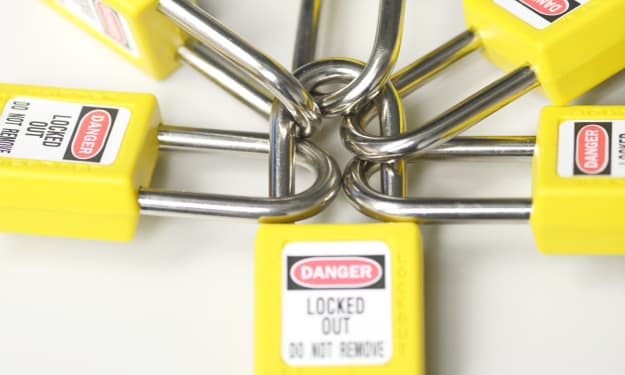
Empowering Workplaces with Industrial Lockout Products
Industrial lockout products encompass a range of specialised devices designed to effectively control and neutralise energy sources, such as electricity, gas, and water, in industrial settings. By seamlessly blending into existing infrastructure, these products act as a fortress of safety, empowering workplaces to fortify their operations and protect their most valuable assets—their employees. From lockout-tagout devices that securely isolate machinery during maintenance and repairs to electrical lockout kits that safeguard against unexpected power surges, these innovative solutions bring an unprecedented level of control and reliability to the industrial arena.
By Leonardo Nollora3 years ago in Futurism
The First Generation That Will Never Know Life Without AI
I realized something strange the other day while watching my nephew do his homework. He was stuck on a math problem for a few minutes, frowned at the page, then casually opened an AI assistant and asked it to explain the concept step by step.
By Armi Ponsica6 days ago in Futurism
The Death of the Mirror
We are entering the era of the "Second Shadow." For centuries, the human face was the last sanctuary of truth. You could lie with your tongue, but your eyes—those biological lanterns—always carried the heavy scent of reality. But today, the mirror is broken. We have taught the machine to dream of us, and in its dreams, we are perfect, we are terrifying, and most importantly, we are no longer ourselves.
By Alex Sterling a day ago in Futurism



Comments
There are no comments for this story
Be the first to respond and start the conversation.