
Plastics Market Outlook: Industrial Demand Expansion and Sustainable Innovation Opportunities
The plastics market is experiencing steady growth, driven by rising demand across packaging, automotive, construction, electronics, and healthcare industries.

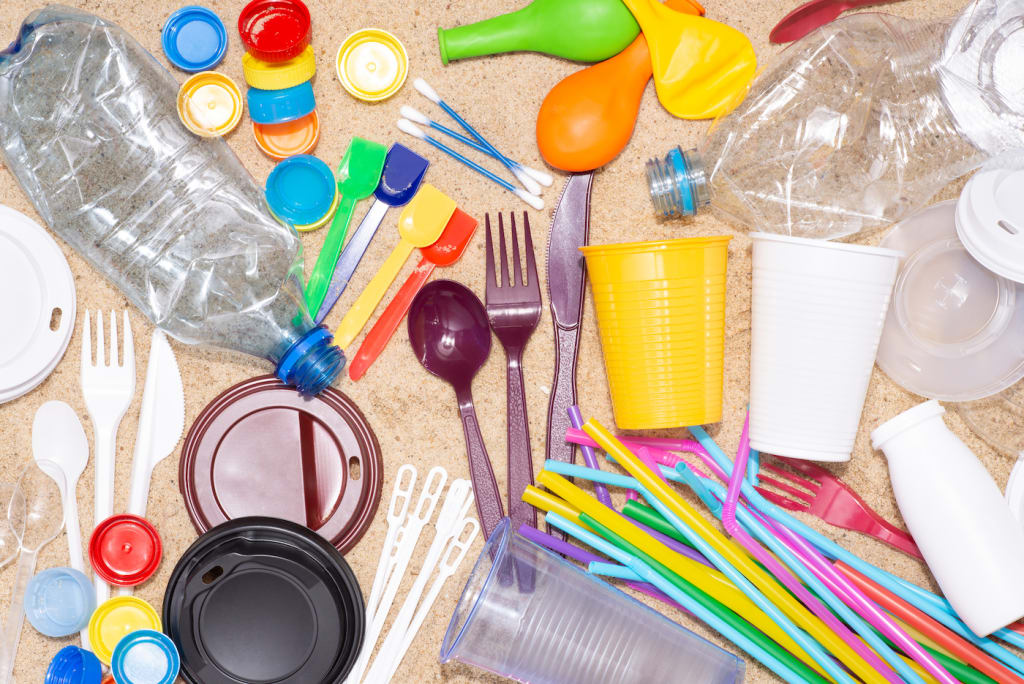
According to IMARC Group's latest research publication, The global plastics market size was valued at USD 653.35 Billion in 2024. Looking forward, IMARC Group estimates the market to reach USD 847.30 Billion by 2033, exhibiting a CAGR of 2.78% from 2025-2033.
How AI is Reshaping the Future of Plastics Market
- Intelligent Material Development and Optimization: AI is accelerating the discovery of new plastic materials with improved properties such as higher strength, heat resistance, and recyclability. Machine learning models analyze large datasets of polymers, predicting how different formulations will perform without costly lab testing. This enables scientists to develop advanced bio-based and sustainable plastics faster, helping the industry reduce dependence on fossil-based resins and meet growing environmental regulations.
- Smart Manufacturing and Quality Control: AI systems enhance production efficiency by monitoring processes such as polymerization, extrusion, and injection molding in real time. Sensors and machine learning detect defects, optimize machine settings, and reduce waste by preventing errors before they occur. Automated visual inspection identifies surface flaws or inconsistencies faster than manual checks, improving product quality, lowering production costs, and increasing overall throughput across plastics manufacturing lines.
- Advanced Recycling and Circular Economy Solutions: AI is transforming plastics recycling by enabling smarter sorting, contamination detection, and material classification. Computer vision and deep learning systems can distinguish between different plastic types at high speed, improving recycling yields. Predictive analytics optimize recycling operations and supply chains, while AI-driven design tools help manufacturers create products that are easier to recycle. These innovations support circular economy goals and reduce the environmental impact of plastics.
Plastics Industry Overview:
The Plastics Industry manufactures synthetic polymer materials used across packaging, automotive, construction, electronics, healthcare, and consumer goods. Plastics are valued for their durability, lightweight properties, flexibility, and cost-effectiveness. Market growth is driven by rising demand for packaged products, expanding automotive production, and increasing use in medical and electrical applications. However, environmental concerns and regulations are pushing the industry toward sustainable solutions, including bio-based plastics, recycled materials, and circular economy initiatives. Technological advancements and automation are also improving production efficiency and material performance globally.
Plastics Market Trends & Drivers:
The packaging sector is a major driver of plastics demand due to the growing need for lightweight, durable, and cost-effective materials. Increasing consumption of packaged food, beverages, pharmaceuticals, and e-commerce products is boosting plastic usage. Flexible and rigid plastic packaging solutions offer convenience, extended shelf life, and lower transportation costs, supporting steady market growth globally.
Plastics are increasingly used in automotive and construction industries because of their lightweight properties, corrosion resistance, and design flexibility. In vehicles, plastics help reduce overall weight, improving fuel efficiency and supporting electric vehicle performance. In construction, plastic pipes, insulation materials, and fittings are widely adopted due to durability and cost-effectiveness, driving consistent demand.
Environmental concerns and strict regulations are accelerating the adoption of recycled and bio-based plastics. Governments and companies are investing in advanced recycling technologies and circular economy initiatives to reduce plastic waste. Consumers are also demanding eco-friendly packaging and products, encouraging manufacturers to innovate sustainable materials and improve recycling rates across the plastics value chain.
Leading Companies Operating in the Global Plastics Industry:
- Arkema S.A
- BASF SE
- Celanese Corporation
- Chevron Phillips Chemical Company LLC
- China Petrochemical Corporation (Sinopec Group)
- Covestro AG
- Exxon Mobil Corporation
- INEOS Group Limited
- LOTTE Chemical Corporation
- LyondellBasell Industries Holdings B.V.
- Repsol
- SABIC
- Sumitomo Chemical Co., Ltd.
- The Dow Chemical Company
- Toray Industries, Inc.
Plastics Market Report Segmentation:
By Type:
- Polyethylene
- Polypropylene
- Polyvinyl Chloride
- Others
Polyethylene represents the largest segment with 25.3% market share, as it can be manufactured in various densities including LDPE and HDPE, each catering to specific applications.
By Application:
- Injection Molding
- Blow Molding
- Roto Molding
- Compression Molding
- Casting
- Thermoforming
- Extrusion
- Calendering
- Others
Injection molding leads with 43.2% market share as it allows high-volume production with short cycle times and enables creation of complex designs.
By End User:
- Packaging
- Automotive
- Infrastructure and Construction
- Consumer Goods
- Others
Packaging dominates with 37.0% market share since plastics provide excellent protection against moisture, air, and contaminants while being lightweight and cost-effective.
Regional Insights:
- North America (United States, Canada)
- Asia Pacific (China, Japan, India, South Korea, Australia, Indonesia, Others)
- Europe (Germany, France, United Kingdom, Italy, Spain, Russia, Others)
- Latin America (Brazil, Mexico, Others)
- Middle East and Africa
Asia Pacific dominates with 30.0% market share, driven by rapid industrialization, manufacturing expansion, and growing demand across automotive, electronics, construction, and packaging sectors.
Recent News and Developments in Plastics Market
- June 2025: Ineos began producing ISCC PLUS-certified recycled polymers in Lavera, France, using pyrolysis oil from plastic waste. The upgraded cracker enables virgin-quality polyethylene and polypropylene for food and medical use, supporting EU 2030 recycling goals with Ineos' Recycl-IN and recyclable film technologies advancing circularity.
- May 2025: PPG launched ENVIROLUXE Plus powder coatings, featuring up to 18% post-industrial recycled plastic (rPET) and no PFAS. The coatings reduce carbon footprint by up to 30% versus standard powders, offering durable, low-VOC performance for various applications while supporting sustainability and aesthetic flexibility.
- April 2025: IPL and Schoeller Allibert announced a merger to form a USD 1.4 billion sustainable packaging company. Headquartered in Dublin, the combined entity will operate 27 sites across Europe and North America, focusing on reusable plastic packaging to meet growing sustainability demands and evolving global regulations.
- March 2025: Resynergi and Lummus Technology launched modular Resynergi Modules using CMAP technology to convert 5 tons/day of plastic into pyrolysis oil. These scalable units reduce CO₂ emissions by up to 68% and feature AI-driven monitoring, offering a decentralized solution for advanced plastic recycling.
- January 2025: Nan Ya Plastics and Taiwan Mitsui Chemicals launched a market development initiative for biomass-based plastics. Using ISCC PLUS-certified biomass acetone, Nan Ya will produce biomass-derived BPA to create eco-friendly resins, reducing emissions and supporting the transition to sustainable plastic alternatives.
Note: If you require specific details, data, or insights that are not currently included in the scope of this report, we are happy to accommodate your request. As part of our customization service, we will gather and provide the additional information you need, tailored to your specific requirements. Please let us know your exact needs, and
About the Creator
Michael Richard
Michael Richard is a Market Research Expert specializing in market intelligence, competitive analysis, and data-driven insights. He helps organizations understand trends and emerging opportunities through in-depth research.
Keep reading
More stories from Michael Richard and writers in Futurism and other communities.
Mobile Application Development Platform Market Outlook: Digital Transformation and Growth Opportunities
According to IMARC Group's latest research publication, The global mobile application development platform market size reached USD 14.8 Billion in 2024. Looking forward, IMARC Group expects the market to reach USD 81.7 Billion by 2033, exhibiting a growth rate (CAGR) of 19.82% during 2025-2033.
By Michael Richardabout 10 hours ago in Futurism
Nebulizers Market: Infection Control Standards, Safe Drug Delivery & Market Forecast
According to IMARC Group's latest research publication, the global nebulizers market size reached USD 1,460.12 Million in 2024. Looking forward, IMARC Group estimates the market to reach USD 2,564.92 Million by 2033, exhibiting a growth rate (CAGR) of 6.14% during 2025-2033.
By sujeet. imarcgroupa day ago in Futurism
GCC Cheese Market Analysis: Industry Trends, Competitive Landscape & Growth Forecast
According to IMARC Group's latest research publication, the GCC cheese market size reached 827,246.7 Tons in 2024. The market is projected to reach 1,092,912.25 Tons by 2033, exhibiting a growth rate (CAGR) of 2.89% during 2025–2033.
By Abhay Rajput7 days ago in Futurism
Think for Me
"How do you calculate the circumference of a circle? Submit your answer when ready." [Pause] "Excellent! Every student was able to call up the answer electronically very quickly. If I, as a robot had feelings, I would express pride. You may break for lunch. Return to this cyber room in 45 minutes."
By Julie Lacksonen7 days ago in Humans



Comments
There are no comments for this story
Be the first to respond and start the conversation.