


Once upon a time, in a world not so different from our own, a great disaster struck. It could have been a catastrophic event like a meteor strike or a nuclear war, or it could have been a slow-burning catastrophe like climate-change, resource depletion, or the collapse of global systems of governance and economy. Regardless of the cause, the result was a world unrecognisable from the one that came before.
In this new world, the air was thick with smog, the water was contaminated, and the sun rarely shone through the clouds. The earth was barren and scarred, the forests were deserts, and the oceans were poisoned with plastic and other pollutants. The few remaining cities were overcrowded, polluted, and ruled by oppressive governments; corporations who only cared for profit and power.
The vast majority of people lived in poverty, struggling to survive day-to-day life. They lived in slums, shantytowns, and refugee camps, scavenging for food and resources in the ruins of the old world. The lucky few worked for the corporations, but they were little better off, living in cramped apartments and working long hours for minimal pay.
The government and corporations had a tight grip on information, using propaganda and censorship to maintain their power. They controlled the media, the schools, and the internet, suppressing dissent and punishing those who spoke out against them.
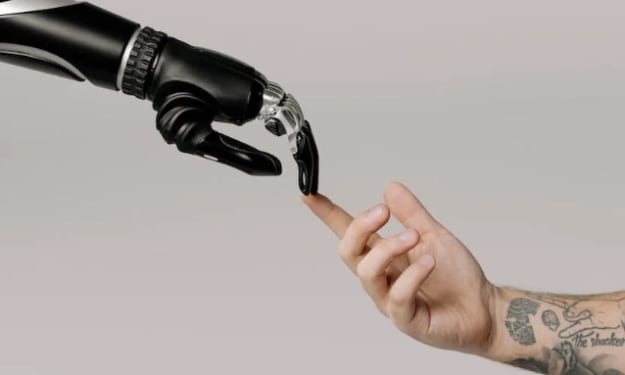
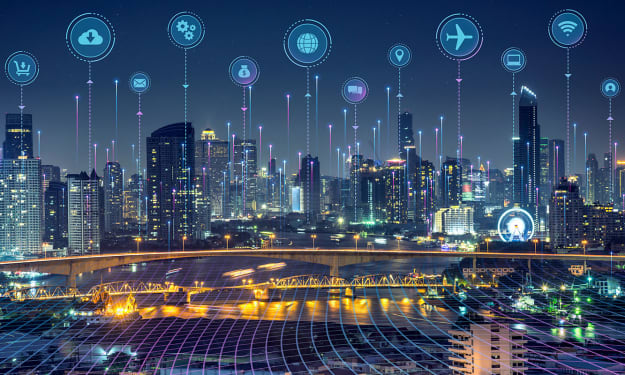
Technology had advanced, but it was mostly used to control and oppress the masses. Surveillance was everywhere, with cameras, drones and other devices monitoring every move. People had little privacy and few freedoms; their every action was monitored and judged.
There were some who resisted, who fought for freedom and justice, but they were few and far between. They lived in hidden enclaves, in the shadows, working to undermine the power of the government and corporations. Though they were constantly hunted and persecuted - their chances of success were slim.
In this dystopian future, hope was a rare commodity, and most people had given up on the idea of a better world. They lived in a state of a perpetual fear and despair, resigned to a life of misery and suffering. Yet, there were still glimmers of hope, small acts of kindness and bravery that kept the flame of hope alive. Perhaps one day, the people would rise up and overthrow their oppressors, and build a new word, a better world, from the ruins of the old. For now, they struggled on, in a world that was dark and bleak, but not without its moments of light.
This short story may seem impossible to become reality, but the truth is, we’re already building this future.
In the not-too-distant future, the effects of climate change had become impossible to ignore. The world had grown hotter, the oceans had risen, and extreme weather events had become more frequent and more severe. Despite the warnings of scientists and activists, governments has been slow to act, and the consequences were now being felt by all.
The once-thriving coastal cities were now underwater, the streets and buildings flooded by rising seas. Millions of people has been displaced, forced to flee their homes and seek refuge in other parts of the world. Inland, the heat was unbearable, with temperatures soaring to record highs and droughts, devastating crops and livestock.
As resources grew scarce, countries began to compete for what remained, leading to conflicts and wars over water, food, and land. The world had become a dangerous and unstable place, with nations scrambling to protect their own interests at any cost.
The effects of climate change had also taken a toll on the the natural world. Many species had gone extinct, unable to adapt to the rapidly changing environment. The oceans were home to mass amounts of plastic and other pollutants; coral reefs had been wiped out by warming waters. Forests had been decimated by wildfires, and the air was thick with deadly pollution.
Despite all this, there were still those who refused to acknowledge the reality of climate change, clinging to outdated beliefs and ideologies. They argued that the changes were natural, or that they were not significant enough to warrant action.
Eventually, it was the younger generation who rose up to demand change. They organised protests and rallies, demanding that their leaders take action to mitigate the effects of climate change before it was too late. They rallied behind charismatic leaders, who spoke passionately about the need for a sustainable future, and who called on the world to work together to address the crisis.
Slowly but surely, the world began to change. Governments began to take action, investing in renewable energy and conservation efforts. The public became more aware of the impact of their choices, and began to make changes in their own lives to reduce their carbon footprint.
It wasn’t easy, and there were setbacks along the way, but the world began to heal, and the effects of climate change began to be reversed. The oceans began to cool, the weather patterns stabilised, and the natural world began to recover.
In the end, the crisis had been a wake-up call for humanity. It had taught us the importance of working together, of taking responsibility for our actions, and of the need to protect the environment for future generations. It had been a difficult and painful journey, but in the end, it had led to a brighter and more sustainable future for all.
About the Creator
G.A.L. Grace
I began writing at 12, but struggled to gain positive results from my work. I joined vocal with the hope that my writing may mean something to at least one person. My greatest ambition is to become an author; to educate and please others.
Keep reading
More stories from G.A.L. Grace and writers in Futurism and other communities.
The Ethics of AI
As a software engineer, Alex had always been fascinated by artificial intelligence. He spent his days working on developing algorithms that could learn and adapt to new data; he dreamed of a future where AI could solve some of the world’s most pressing problems.
By G.A.L. Grace3 years ago in Futurism
PropTech Market Outlook: Digital Transformation in Real Estate and Growth Opportunities
According to IMARC Group's latest research publication, The global proptech market size reached USD 35.4 Billion in 2024. Looking forward, IMARC Group expects the market to reach USD 114.8 Billion by 2033, exhibiting a growth rate (CAGR) of 13.25% during 2025-2033.
By Michael Richard6 days ago in Futurism
Anthropic Expands Claude “Cowork” With Job-Specific Tools and In-App Workflows, Keeping Wall Street on Edge
What Happened (Facts) Anthropic announced a new round of workplace-focused updates to its Claude assistant during a virtual event on Tuesday, pushing deeper into what it frames as “office work” rather than just coding.
By Behind the Tech6 days ago in Futurism
Flower Bloom 369
FLOWER Bloom 2/25/26 Wednesday By Mariann Carroll Karen had been with Tony for 7 years. Tony started acting strangely after her surgery. He would mow the lawn in the rain and be on his cellphone. He started pushing Karen away. Tony came clean about seeing someone. Karen moved out two months later. Karen moved in with a friend. She felt betrayed.
By Mariann Carroll6 days ago in Fiction


Comments
There are no comments for this story
Be the first to respond and start the conversation.