
Modular FLYING Car Revolution: The Future of Transportation
"Are Modular Flying Cars the Future of Effortless Travel?"

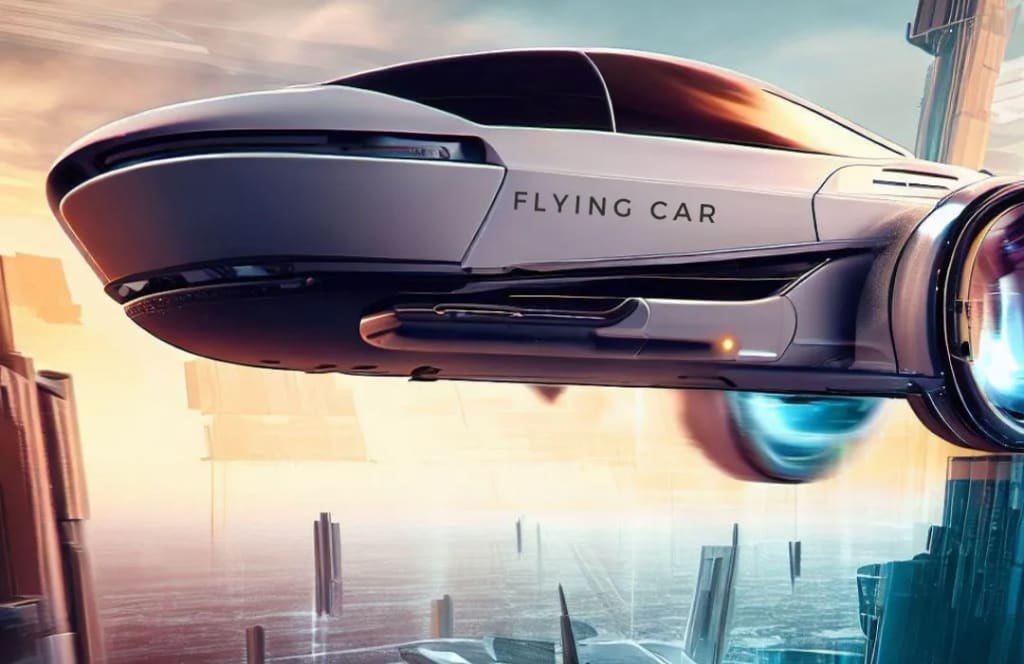
The dream of flying cars is no longer confined to science fiction. With modular flying cars on the horizon, a new revolution in transportation is taking shape. These adaptable vehicles promise to change how we travel, combining the efficiency of cars with the freedom of flight.
This article delves into the technology, benefits, and challenges of modular flying cars, giving you a glimpse into the future of mobility. From autonomous flight systems to safety innovations, these vehicles could reshape urban landscapes, making long-distance travel quicker, more convenient, and environmentally friendly.
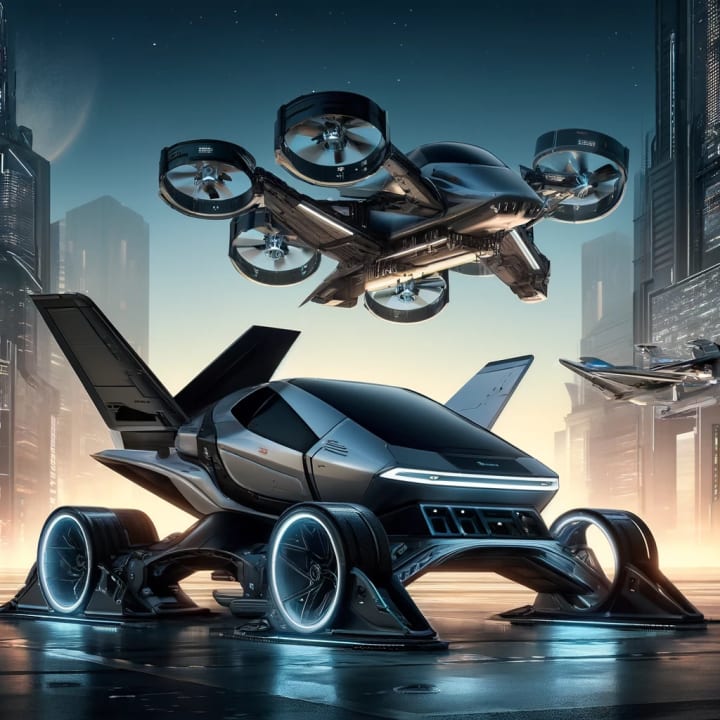
Introduction to the Modular Flying Car Revolution
Imagine skipping gridlocked traffic, gliding smoothly above city skylines, and landing just steps away from your destination—all in the same vehicle. Modular flying cars make this vision possible by offering a design that seamlessly transitions between ground and air modes.
As we stand on the cusp of this groundbreaking transformation, it’s time to explore how these innovations will redefine transportation as we know it. With enhanced safety features, eco-friendly propulsion systems, and the ability to avoid congestion, modular flying cars could drastically reduce travel times and reshape the way we live, work, and commute.
What Are Modular Flying Cars?
Modular flying cars are vehicles that combine traditional driving capabilities with the ability to fly. They feature interchangeable modules that adapt to different environments, making them versatile for urban commutes and long-distance travel.
Key Features of Modular Flying Cars
1. Interchangeable Modules
- Ground module for driving on roads.
- Air module for vertical takeoff and flight.
2. Compact Design
- Foldable wings or detachable flying components for easy storage.
3. Eco-Friendly Power
- Electric propulsion systems to minimize environmental impact.
4. AI Navigation
- Autonomous systems for safe and efficient travel in both modes.
Benefits of Modular Flying Cars
1. Reduced Traffic Congestion
- Less reliance on roads helps decrease urban traffic jams.
2. Improved Travel Efficiency
- Faster point-to-point travel saves time compared to traditional cars.
3. Versatility
- Suitable for diverse travel needs, from city commutes to intercity journeys.
4. Environmental Impact
- Sustainable designs prioritize clean energy and reduce emissions.
5. Enhanced Accessibility
- Potential to connect remote areas lacking conventional infrastructure.
World's first modular Flying Vehicle | Witnessing Historic Vehicle
Challenges Facing the Modular Flying Car Revolution
1. Regulatory Hurdles
- Developing air traffic control systems for flying cars.
- Creating policies to ensure safety and accountability.
2. Infrastructure Requirements
- Building landing pads and charging stations for hybrid travel modes.
3. Cost of Adoption
- High manufacturing and purchase costs limit accessibility.
4. Public Acceptance
- Addressing concerns about safety, privacy, and noise pollution.
5. Technological Limitations
- Improving battery life and flight range for practical use.
Current Innovations in Modular Flying Cars
1. Prototypes in Development
- Companies like PAL-V and AeroMobil are testing dual-mode vehicles.
2. Urban Air Mobility Projects
- Cities partnering with developers to integrate flying cars into transportation plans.
3. Advances in Autonomous Navigation
- AI-powered systems enabling safer air and ground travel.
The Future of Modular Flying Cars
The modular flying car revolution holds transformative potential:
Mass Adoption: As technology becomes affordable, flying cars could replace traditional vehicles.
Smart Cities: Integrated transportation systems will incorporate modular flying cars for seamless travel.
Global Connectivity: Remote areas may gain better access to resources and opportunities.
However, collaboration between governments, tech developers, and the public is essential to overcome obstacles and build a future-ready infrastructure.
Conclusion
Modular flying cars symbolize a bold step forward in transportation, offering an innovative solution to modern travel challenges. While obstacles remain, the possibilities for efficiency, sustainability, and freedom make this revolution one worth pursuing.
As technology advances and society adapts, the modular flying car revolution may soon transform how we connect, commute, and explore the world—ushering in a new era of mobility.
About the Creator
Keep reading
More stories from Marveline Merab and writers in Futurism and other communities.
Virtual Reality ADDICTION: Understanding the Risks and Solutions
Virtual Reality (VR) has redefined entertainment, education, and work. However, as this technology becomes more immersive, the risk of addiction has emerged as a growing concern. People may become so absorbed in these digital worlds that they neglect real-life obligations, relationships, and well-being.
By Marveline Merababout a year ago in Futurism
How Blockchain Is Transforming Global Trade and Supply Chains
Blockchain technology is often associated with cryptocurrencies and digital assets, but its real potential extends far beyond trading. One of the most promising applications of blockchain lies in improving global trade and supply chain systems. These industries handle trillions of dollars in transactions every year, yet many processes are still slow, paper-based, and inefficient.
By Ahmad Hassanabout 21 hours ago in Futurism
The Last Generation to Grow Up Without AI
For most of human history, technological revolutions arrived slowly. The printing press, electricity, the internet—each reshaped society over decades. But the rise of artificial intelligence is happening far faster. In fact, there’s a strong argument that Generation Z may be the last generation to grow up without AI fully integrated into childhood.
By Carmen Sinata3 days ago in Futurism




Comments
There are no comments for this story
Be the first to respond and start the conversation.