
Key Parts of Environmental Chambers That Keep Tests Spot-On
Industry

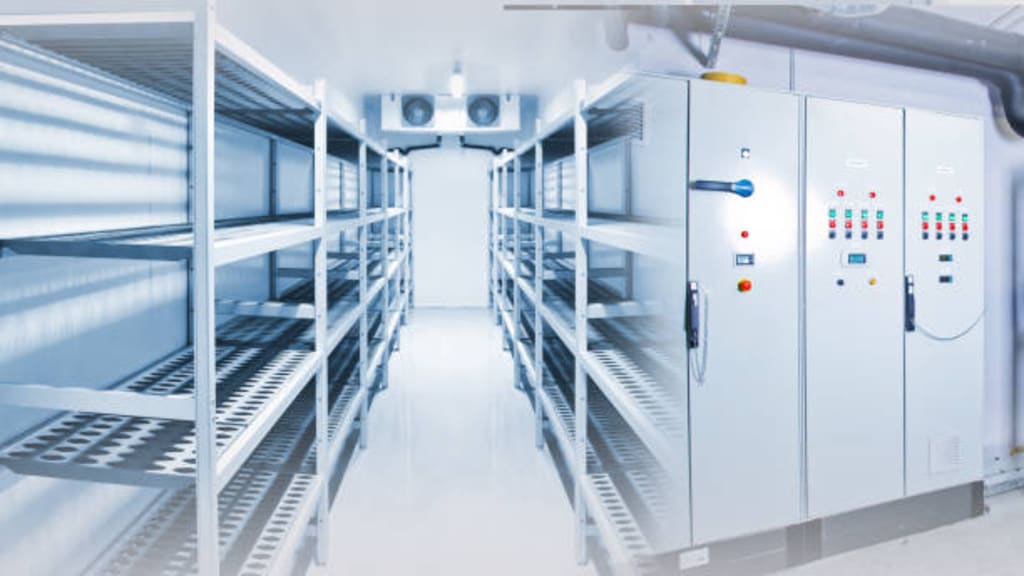
Environmental testing chambers are as important to new product development as the assembly line itself. From smartphones to aerospace engines, these rooms subject materials to extreme heat, freezing cold, drenching humidity, and even steady vibration or pressure. By mimicking worst-case conditions, engineers can see what fails, what survives, and how long each part might last in the real world. Yet all those insights depend on a hidden cast of environmental chamber components working together to deliver stable, repeatable data.
Because of that, OEMs, research labs, and industrial plants need a reliable industrial parts supplier that understands precision hardware and can get replacement or upgrade parts fast. In the sections that follow, we'll break down the must-have chamber parts and show how each one guards test accuracy and lowers the risk of costly retests.
Why Exact Numbers Matter in Environmental Testing
Whether a lab is pushing a new gadget or certifying an aircraft module, even a single-degree error in temperature or a tiny drift in humidity can turn useful data into noise. To protect against that, modern chambers are designed to hold set points tightly across short and long cycles, light and heavy loads, with zero dead corners. That level of control does more than improve R&D efficiency-it reduces liability, safeguards personnel, and helps firms stay on the right side of regulatory rules.
The quality of your environmental chamber parts and the wider industrial supply chain shapes how well you can:
- Meet important industry regulations like ASTM, MIL-STD, or IEC
- Keep every batch of product the exact same
- Cut down on test mistakes and variations caused by people
- Spot weak materials or designs while they’re still easy to fix
From the cooling coils to the tiniest cable, each component works together. If one piece is off, the whole setup can drift out of spec.
Main Parts of an Environmental Chamber and What They Do
Every environmental chamber mixes mechanical, electrical, and thermal technology. Here are the top pieces and the role each plays in steady, trust-worthy testing.
Temperature Control Units
Temperature control sits at the heart of every chamber. This section usually has:
Heaters that warm the air up fast, often using electric coils
Refrigeration units made of compressors and evaporators for icy tests
Thermocouples or RTDs that give real-time, accurate temperature read-outs
For compliance jobs or any test with a tight schedule, steady heat and cold really matter. First-rate control units respond quickly and keep drift under a few tenths of a degree.
A strong partner for industrial parts supply can quickly find replacement heaters, relays, and sensors so these systems spend more time running and less time down.
Humidity and Moisture Regulation
Many environmental chambers are built to mimic soggy rainforests or misty coastlines. Those setups depend on:
- Water boilers or ultrasonic humidifiers to put moisture into the air
- Dehumidifiers or desiccant units to pull unwanted moisture out
- Humidity sensors and controllers that tick off the exact percent they need
When any of these pieces are out of tune or worn, chambers struggle to hit the right number, and tests can go sideways. Regular checks plus dependable, high-accuracy parts are what keep readings true.
Air Circulation and Flow Components
Steady, even air makes sure every inch of the test sample feels the same heat, cold, or dampness. The lineup includes:
- Axial or centrifugal fans that push air in steady streams
- Air baffles and ducting that steer flow where it must go
- Ventilation motors and speed controllers that fine-tune speed on demand
Circulation is the silent hero behind heat transfer and moisture balance. Gaps or blockages can leave hot spots next to cold spots, ruining the data teams rely on. That is why these parts are doubly important when chambers handle big machines or oddly shaped projects.
Structural and Insulation Components
The way a chamber shell and its doors fit together decides how well it keeps heat in and pressure up. The main pieces that make this work are:
Insulated wall panels built with a thermal break to block unwanted heat flow.
Sealing gaskets and heavy-duty door latches that close tight and stop any gas or liquid leaks.
Multi-pane observation windows are treated with anti-fog layers so personnel can see inside clearly.
If any of these elements fail, the chamber can lose heat, fog up, or allow dirt and moisture from the outside to creep in. That's why tough seals and tricked-out hardware matter so much.
Working with a trusted industrial parts supplier gives quick access to replacement gaskets, hinges, and every little screw that meets factory standards. Having spares on the shelf keeps shows running.
Control and Monitoring Systems
Today’s chambers rely on PLCs, bright touchscreens, or PC software for precise tests, and their inner gear makes that magic happen. The core items inside are:
Control boards and CPUs programmed to read sensors nearly in real time.
Input/output modules that pass data smoothly between the controls and the chamber.
Signal wiring and connectors built to shrug off noise and carry every volt.
Because most of these boards are custom-tuned, they must mesh perfectly with the sensors and motors throughout the unit. When a circuit or code glitch strikes, testing lines stop—and keeping spare boards close can save days of downtime.
Industries That Count on Spot-On Chamber Control
Environmental test chambers turn up in lots of fields, each needing its own set of temps, humidity levels, and other conditions. Check out how different sectors put this tech to work:
Aerospace and Defense
These tests push parts through rapid heat changes, simulated high altitudes, and extreme pressure. Because even one small failure can ground a mission, the chamber must stay steady to guarantee each piece can take the real-world stress.
Automotive Manufacturing
From engines to dashboard clips, car parts go into chambers that bake, chill, rattle, and soak them. Labs expect test rooms to mimic every climate a vehicle might face, whether on a snowy mountain road or in a humid city parking lot.
Electronics and Semiconductors
A mere degree of off-range can ruin the signal from a smartphone chip. Dev teams rely on chambers that hold temp and humidity rock-solid for hours or even days, letting them spot hidden problems before production begins.
Pharmaceuticals and Biotechnology
Medications, vaccines, and lab tools must stay effective long after they leave the factory. That means chambers deliver the same steady light, air flow, and moisture found on pharmacy shelves, often linking directly to cleanroom gear so sterility never slips.
Food and Packaging
Frozen meals, snack bags, and drink cartons are tested in chambers that freeze, steam, or wind-tunnel them exactly as they would travel from factory to store. Being precise with every cycle helps makers keep spoilage low and safety standards high.
Partnering with the Right Industrial Parts Supply Network
Manufacturers, labs, and maintenance crews keep environmental chambers running smoothly by teaming up with dependable industrial parts suppliers. A good supplier delivers:
- Quick lead times when every hour counts.
- Certified parts that match each chamber model.
- Expert support for setup or troubleshooting.
- Custom solutions for unique testing challenges.
- Service contracts or preventive care kits for peace of mind.
By planning their parts supply, teams can dodge unexpected breakdowns, stay compliant, and lower the cost of ownership over time.
Conclusion
Precision testing starts with the right components. Each chamber part—from heaters and seals to sensors and controls—helps create stable, repeatable test conditions that meet industry standards.
Sourcing from a trusted industrial parts network cuts maintenance risks, speeds tests, and protects the quality of every validation run. In fast-paced, regulation-heavy markets, that kind of reliability shifts from nice-to-have to essential.
About the Creator
Agentic AI Workflows Market worth USD 227 Billion By 2034
Agentic AI Workflows Market Overview The Global Agentic AI Workflows Market is projected to reach approximately USD 227 Billion by 2034, increasing from USD 5.2 Billion in 2024, reflecting a strong CAGR of 45.8% during the forecast period from 2025 to 2034.
By Roberto Crumabout 17 hours ago in Futurism
Australia IoT Sensors Market: Industrial IoT Adoption, 5G Connectivity & Smart Automation
According to IMARC Group, the Australia IoT sensors market reached a value of USD 708.1 Million in 2025 and is projected to reach USD 12,853.9 Million by 2034, growing at a compound annual growth rate (CAGR) of 38.00% during 2026–2034. The market is witnessing remarkable growth as businesses increasingly adopt connected technologies to enhance operational efficiency and data-driven decision-making. IoT sensors play a crucial role in collecting real-time data across industrial equipment, infrastructure systems and consumer devices. Rapid advancements in sensor technology have improved performance while reducing manufacturing costs, enabling broader deployment across industries. Additionally, the expansion of 5G networks across Australia is strengthening IoT connectivity by enabling faster data transmission and lower latency.
By Shrestha Roy3 days ago in Futurism


Comments
There are no comments for this story
Be the first to respond and start the conversation.