
Is AI the New Cupid? The Rise of Love Technology
Discover how AI is becoming the modern Cupid, using data, emotion, and precision to reshape how we find love today.

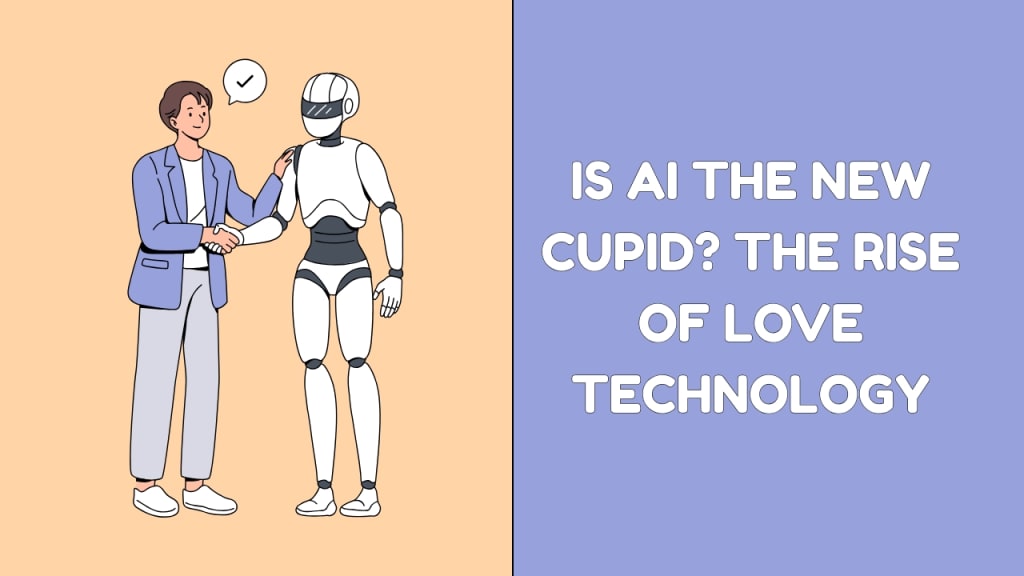
Romance has always changed with the times, moving from handwritten letters to phone calls to instant online messages. Yet the current turn feels bigger than a new medium. It represents a full remake of how attraction starts, grows, and sometimes survives. Where artificial intelligence once ran factories and spreadsheets, it is now steering something as messy and tender as falling in love. Behind lines of code, machine-learning models and so-called emotional AI now guide courtship with patterns they recognize but most users never see.
What makes this shift compelling is its intimacy. A match algorithm no longer grooves simply on shared hobbies or a nearby zip code. It reads unvoiced signals: the warmth in a text, the pause in a voice, the flicker of a profile picture. By scanning browsing habits, word choice, and even the arc of a thumb on a screen, AI crafts pairings that can feel almost eerie, as if fate itself tipped its hand. With each upgrade, the technology seems less a simple guide and more an invisible architect of everyday connection.
From Random Matches to Smart Pairings: The Evolution of Online Romance
In the earliest phase of internet dating, the entire process felt more like a lottery than a search for companionship. Daters filled out simple forms, picked a few deal-breakers, and then combed through a long, repetitive stream of headshots and bios, hoping something-and someone-really clicked. Today, that clunky routine has been upended by artificial intelligence, which turns a once-static questionnaire into a living, breathing roadmap. Rather than hinging on fixed data, modern platforms watch how users swipe, read, text, and even linger over photos, adjusting recommendations in real time.
As a result, the matches that finally appear are rarely accidental. Machine-learning algorithms dig beyond obvious traits like age or zip code, sniffing out subtler patterns that signal attraction, humor, or shared values. Whether a user craves lasting romance or the occasional light banter, the technology steers them toward a pool of profiles that tend to spark deeper exchanges. By trimming the scroll and honing in on genuine chemistry, these smart pairings not only save patience but lift the odds of meeting someone who fits the user's particular rhythm and story.
Emotion Meets Machine: Can AI Understand the Heart?
Artificial intelligence is becoming unusually perceptive in online dating, not just tracking preferences but also listening to feelings. By combining natural-language processing with sentiment-analysis tools, these systems go beyond dictionary definitions, recognizing tone, mood, and subtle verbal slips that even the speaker might miss. It is a quieter kind of reading, one that uncovers emotional layers often buried beneath the text, and that insight adds a fresh wave of emotional intelligence to the matchmaking algorithm.
Picture yourself in a chat room where, instead of cold statistics, you receive gentle nudges to soften your tone or a suggested match whose rhythm already feels familiar. With that kind of real-time awareness, dating shifts from a numbers game toward a shared dialogue where feelings matter as much as facts. AI is not trying to erase human emotion; rather, it is learning to listen, honour, and deepen the conversation in a space that for too long has circled the surface.
Personalized Love Paths Built by Artificial Intelligence
Artificial intelligence now designs dating experiences that feel surprisingly personal. By tracking how users swipe, message, and react, the system sketches a so-called “love blueprint” for each individual. That blueprint goes beyond presenting candidates; it adjusts the rhythm of matches, the timing of alerts, and even the visual style of profiles, all according to users emotional responses.Signature features also evolve with every new interaction, gradually revealing a romance stage crafted just for you rather than for the crowd.AI genuinely learns, refining itself in real time, which lets singles explore relationships with less distraction from the technology itself.
Virtual Dating Coaches and Emotional Mentors
Navigating romance in the digital age can feel overwhelming. What opener will spark interest? How long should I wait between replies? Is my profile photo too stiff or too casual? Artificial-intelligence dating coaches now answer those everyday dilemmas almost instantly. These intelligent apps analyze tone, word choice, and even message timing, guiding users toward a more engaging yet honest online presence.
The guidance goes beyond polish. By tracking chats over weeks, the software flags repetitive patterns or mismatched emotional signals before they escalate. Users learn to adjust their own styles and recognize partners signals with greater clarity and confidence. In an arena where perception often trumps reality, these virtual mentors do not write love stories; they teach people how to let theirs unfold with less strain.
AI-Powered Relationships That Evolve with You
Even after the initial spark fades, artificial intelligence quietly guides couples as they learn and grow together. Modern relationship apps analyze conversation patterns, message frequency, and shared mood logs over time, using those insights to recommend small adjustments or revived rituals. In this way, the app functions like an unobtrusive therapist: it neither argues nor applauds but simply points out what the numbers suggest. As a result, the bond moves forward rather than simply hanging on.
Weekly nudges can offer low-pressure date ideas, suggest fresh conversation starters, or remind partners when tone seems tense. Such personalized attention proves that AI reaches beyond swiping and matching; it settles into the slow work of caring for love itself. By tending to a partnership after the early haze fades, the technology helps build emotional stamina, making couples more prepared for whatever life throws next.
With Smart Technology, Long-Distance Love Feels Closer
Distance has tested romances for centuries, yet keeping passion alive across miles has rarely been easy. Now, intelligent tools promise to smooth many of those old bumps. Emotion-sensitive cameras can gauge stress, joy, or fatigue during video chats, while messaging bots note sudden tone changes and gently prompt a check-in. The same system tracks time-zone shifts, queues up anniversary alerts, and offers ideas, from a sunrise photo challenge to a late-night podcast listen.
These innovations turn virtual conversation into a mood that feels warmer and more human. Partners separated by oceans still report feeling emotionally close. Rather than merely exchanging hellos, they coordinate calendars and share mini moods as they happen. AI fine-tunes the ebb and flow, shifting filters so long-distance affection stops feeling like a long wait and starts feeling like a steady bloom.
Protecting the Heart: How AI Fights Dating Scams and Ghosting
Yet the same screen that makes love possible also opens the door to scams, catfishing and plain-old emotional abuse. Here too, AI steps in. Algorithms rake through photos, text patterns and login habits, highlighting dubious profiles before users ever reply. Warnings flash early—sometimes faster than the eye can see—giving good-natured daters a quiet, timely heads-up. Meanwhile, behind the curtain, machine-learning filters out habitual troublemakers and elevates the sincere.
The technology also trains its gaze on ghosting. If a match vanishes from chats, disappears for weeks, then reappears with hard-to-read signals, gentle nudges prompt users to ask, Why does this keep happening? or suggest partners who reply more steadily. By spotting patterns instead of waiting for hearts to crack, the system defends not just a profile but the tender feeling that keeps people logging in. In cleaning the digital playground, AI is slowly exchanging shadows for daylight.
Final Thoughts
Artificial intelligence may lack wings, a quiver, or a playful grin, yet its rising presence in online dating casts it in the role of a high-tech Cupid. Smart algorithms sift through clouds of data, creating matches with surprising emotional sensitivity and stepping in later to offer advice, reminders, or gentle nudges when commitment cools. Technology has not banished the delightful puzzle of attraction, yet it has definitely tamed some of the friction that used to sabotage first dates and fragile new bonds.
Heading further into screens and servers, one constant endures: genuine connection will always sit at the core of being human. When AI acts as a flashlight rather than a puppet master, romance does not vanish; it grows more careful, more secure, and occasionally a bit richer. By translating old vulnerabilities into understandable patterns, the new tools invite us to love softer and smarter—and, who knows, to feel a larger, steadier kind of affection as a welcome by-product.
About the Creator
Stella Johnson Love
✈️ Stella Johnson | Pilot
📍 Houston, TX
👩✈️ 3,500+ hours in the sky
🌎 Global traveler | Sky is my office
💪 Breaking barriers, one flight at a time
📸 Layovers & life at 35,000 ft
Keep reading
More stories from Stella Johnson Love and writers in Futurism and other communities.
How AI Is Helping People Find Love in the Digital Age
Love in the twenty-first century is not standing still; it is rewiring itself every day. The serendipity of bumping into someone at a coffee shop or writing a nervous note has given way to the tap of a smartphone screen. Now, artificial intelligence quietly examines preferences, analyzes conversations, and sorts potential partners long before two people meet. Whether casual or serious, modern romance is often shepherded by lines of computer code that recommend matches and signal compatibility.
By Stella Johnson Love7 months ago in Futurism
About Binding Prometheus
I want to start actively advocating on behalf of my own work, and the most valuable part of my canon is, without a doubt, Binding Prometheus, the play I have been working on since 2019 and only finished in 2023 as part of my MA. The play itself is an amalgamation of a million different inspirations. On one end, it evokes the Ancient Greek myth-play, deriving its own title from the earliest extant work of Western drama we have, Aeschylus’s Prometheus Bound. On the other end, it borrows significantly from the sci-fi bulwarks from over the years, namely Mary Shelley’s Frankenstein and Karel Capek’s Rossum’s Universal Robots. The play could be an episode of Black Mirror, I fear. I don’t know. I’ve only ever seen one episode of Black Mirror.
By Steven Christopher McKnight19 days ago in Futurism




Comments
There are no comments for this story
Be the first to respond and start the conversation.