
Is AI Making Us Smarter or Just More Dependent? A Deep Dive Into the Future of Human Thinking
As artificial intelligence becomes part of our daily lives, are we evolving—or losing the ability to think for ourselves?

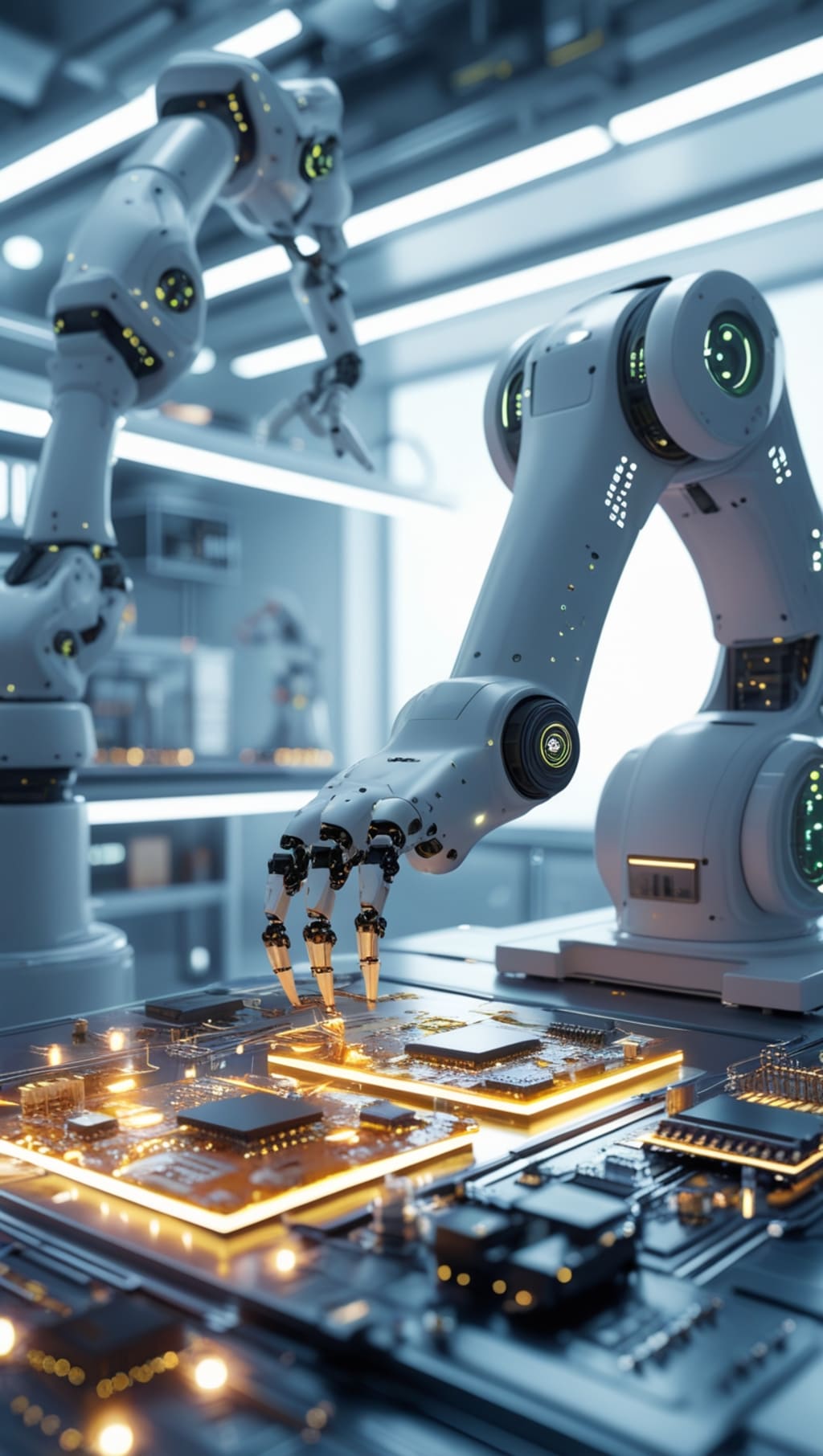
In the last few years, Artificial Intelligence (AI) has moved from science fiction into the center of our everyday lives. We ask smart assistants to set alarms, ChatGPT to help with schoolwork, and even rely on apps to suggest what to eat, wear, or say. As amazing as this is, one important question is rising among thinkers and everyday people alike:
Is AI making us smarter—or just more dependent?
Let’s explore both sides of this growing digital reality.
AI as a Tool for Intelligence
There’s no denying the power of AI. Platforms like ChatGPT, Grammarly, or Google Translate can make anyone feel like a professional writer, a skilled communicator, or even a problem solver. AI can help students with difficult subjects, boost creativity for content creators, and even assist doctors in analyzing medical data faster.
In this way, AI amplifies our natural intelligence. It allows us to do more, in less time, and with better accuracy. For example:
- A student struggling with math can now get instant explanations from AI-based tutors.
- Writers can use AI to brainstorm ideas, improve grammar, or translate into other languages.
- Businesses use AI to understand customer behavior, improve service, and increase profit.
These are all clear signs that AI, when used correctly, is empowering us—not replacing us.
But What About Critical Thinking?
Here’s the other side of the story: If AI does all the thinking for us, are we still really thinking?
We no longer need to remember phone numbers. We don’t need to spell check our writing. And sometimes, we don’t even finish our own thoughts—because the AI autocomplete does it for us. Over time, this can lead to something experts call “cognitive offloading”—where we stop using our brains as much, simply because machines can do it for us.
Think about this:
If a student always uses AI to write essays, will they still develop their own voice, ideas, or argument skills?
If a person always uses GPS, will they ever learn how to navigate by themselves?
This dependence on machines can make our mental muscles weaker, just like physical muscles weaken when we stop exercising.
Elon Musk’s Warning
Elon Musk, the CEO of Tesla, X (Twitter), and Neuralink, has often warned about AI’s power. He believes that AI should be regulated before it becomes too advanced and out of our control. Interestingly, he’s also building AI (like Grok and Neuralink), but with a goal: to make sure humans can still keep up and stay connected.
In a way, Musk wants to merge human brains with AI to avoid becoming obsolete. This raises even more questions about what it means to be human in an AI-driven world.
Balance Is the Key
So, what’s the answer? Is AI making us smarter or more dependent?
The truth lies somewhere in between.
AI is like fire—it can cook your food or burn your house. If we use AI as a support tool, it can unlock more knowledge, creativity, and productivity. But if we let it do everything for us, we might slowly stop thinking for ourselves.
The key is to:
- Use AI to learn, not to avoid learning
- Ask AI to guide you, not to replace your own thinking
- Keep developing your human skills—empathy, creativity, and critical thinking
Final Thoughts
AI isn’t going away. In fact, it’s only going to become smarter, faster, and more involved in our lives. But we still have a choice: to use it as a tool to grow our minds—or as a crutch that keeps us from thinking.
The future of intelligence is not AI versus humans. It’s AI with humans. But only if we stay awake, stay aware, and stay in control.
About the Creator
Moqadas Kliwal
Exploring the future of AI, tech, and human behavior. Join me as I dive into how innovation shapes our thinking, creativity, and society. Stay tuned for deep insights and thought-provoking content.
Keep reading
More stories from Moqadas Kliwal and writers in Futurism and other communities.
10 Ways ChatGPT and AI Are Transforming Our Daily Lives
Introduction Artificial Intelligence (AI) has moved from science fiction into everyday reality. Today, AI-powered tools are everywhere—from the apps on our smartphones to the platforms we use for learning, shopping, and working. Among these tools, **ChatGPT**, developed by OpenAI, stands out as one of the most influential. It is a conversational AI model capable of answering questions, drafting content, providing translations, and even sparking creativity. But ChatGPT is only part of the larger AI ecosystem. Together, these technologies are redefining what it means to live, learn, and work in the 21st century.
By Moqadas Kliwal5 months ago in Futurism
About Binding Prometheus
I want to start actively advocating on behalf of my own work, and the most valuable part of my canon is, without a doubt, Binding Prometheus, the play I have been working on since 2019 and only finished in 2023 as part of my MA. The play itself is an amalgamation of a million different inspirations. On one end, it evokes the Ancient Greek myth-play, deriving its own title from the earliest extant work of Western drama we have, Aeschylus’s Prometheus Bound. On the other end, it borrows significantly from the sci-fi bulwarks from over the years, namely Mary Shelley’s Frankenstein and Karel Capek’s Rossum’s Universal Robots. The play could be an episode of Black Mirror, I fear. I don’t know. I’ve only ever seen one episode of Black Mirror.
By Steven Christopher McKnight17 days ago in Futurism
Egypt ICT Market: Cloud Adoption, 5G Rollout & Technology Investment Trends
According to IMARC Group's latest research publication, The Egypt ICT market size reached USD 27,685.0 Million in 2024. Looking forward, IMARC Group expects the market to reach USD 39,712.3 Million by 2033, exhibiting a growth rate (CAGR) of 4.09% during 2025-2033.
By Abhay Rajput2 days ago in Futurism



Comments (1)
So thanks dear brothers to read my topic.