
Inside the Virtual Reality World That's Replacing Real Life
Discover how millions are escaping reality and building entire lives in the Metaverse — from virtual jobs to digital love stories.

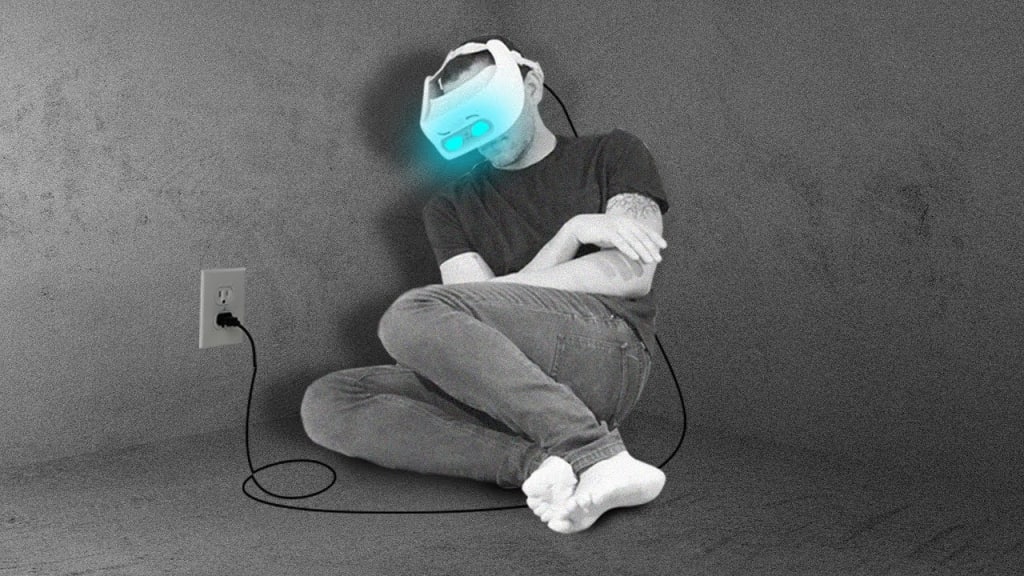
🧠 Introduction: Are We Already Living in the Matrix?
Picture this: you wake up, put on a headset, and spend your entire day working, socializing, and relaxing in a virtual space that feels more real than your apartment. You’re not alone—millions are doing the same. What used to be science fiction is quickly becoming a digital reality.
Virtual reality (VR) is no longer just about gaming. It’s a lifestyle. And for some, it’s becoming the primary way of living.
🌐 The Rise of Virtual Societies
VR platforms like VRChat, Horizon Worlds, and AltspaceVR have exploded in popularity. These aren’t just games—they're entire virtual societies where people build homes, attend weddings, hold business meetings, or even meditate on a digital beach.
According to Statista, the number of active VR users worldwide passed 171 million in 2024, and the industry is projected to exceed $50 billion by 2026.
People are no longer just playing—they're living inside these environments.
🎮 More Than Escapism: Why People Choose VR Over Reality
Why would someone choose a virtual world over the real one? Here’s what users say:
Freedom of Expression: Avatars let people express themselves beyond physical appearance.
Accessibility: Disabled or socially anxious individuals can socialize without barriers.
Global Connectivity: You can party with a DJ in Tokyo, chill with friends in Paris, and attend a class in New York—all in one night.
🏡 A Virtual Life: Real Homes, Real Jobs, Real Relationships
Some users spend over 8 hours a day in VR. They decorate digital homes, get married in virtual ceremonies, or run businesses by selling virtual items, clothing, and services.
A growing number of people are earning real income through VR by:
Designing virtual spaces and avatars
Hosting live events and performances
Offering coaching or therapy sessions in VR
Meta’s Horizon Workrooms and other virtual office tools also show how remote work is being reinvented for maximum immersion and minimal distractions.
⚠️ The Dark Side: Addiction, Identity, and Mental Health
Not everything is utopian. As virtual lives become more fulfilling, the real world risks being neglected.
Studies have raised concerns about:
Addiction and escapism
Loss of real-world social skills
Blurred identity and dissociation
Cyberbullying in avatar form
The longer one spends in a virtual identity, the harder it may become to reconnect with the physical self.
🔬 Are We Ready for the Metaverse?
The term Metaverse is no longer abstract. Companies like Meta, Apple, and Google are investing billions to build persistent, interconnected digital universes.
Soon, your entire digital footprint—from banking to dating to education—could exist inside one VR ecosystem.
Are we psychologically and socially ready for that level of immersion? That’s the billion-dollar question.
🔮 The Future: Hyperreality or Human Collapse?
We’re standing at a tipping point. Will VR enrich our lives, offering new forms of connection, creativity, and productivity? Or will it alienate us from the very nature of being human?
As VR hardware becomes cheaper and more powerful—and AI makes these worlds more dynamic—this shift from real to virtual life will accelerate.
💬 What Do You Think?
Would you trade your real life for a perfect virtual one? Are we heading toward digital liberation or digital dependency?
About the Creator
Alice Ararau
I'm passionate about travel, investments, and personal development. Here, I share tips on tourism, stocks, crypto, motivation, nutrition and reviews to help you grow personally and professionally. Follow for valuable insights!
Keep reading
More stories from Alice Ararau and writers in Futurism and other communities.
Cryptocurrency Investments: Should You Get Involved or Stay Away?
Cryptocurrency investments have become a hot topic in the world of finance, captivating both seasoned investors and newcomers alike. Bitcoin, Ethereum, and a myriad of altcoins have sparked a new era of digital assets, with the potential for incredible returns and equally significant risks. If you're considering diving into this market, you may find yourself wondering: Should you get involved, or should you stay away?
By Alice Ararau11 months ago in Education
Stanislav Kondrashov Explores How Circumvention Drives Technological Breakthroughs
Progress in technology rarely follows a straight line. Many of the most meaningful advances appear when people face limits and search for a way around them. This process—often described as circumvention—turns obstacles into opportunities for creativity.
By Stanislav Kondrashov3 days ago in Futurism
Indoor Farming Market Worth USD 93.0 Billion by 2032 at 10.9% CAGR
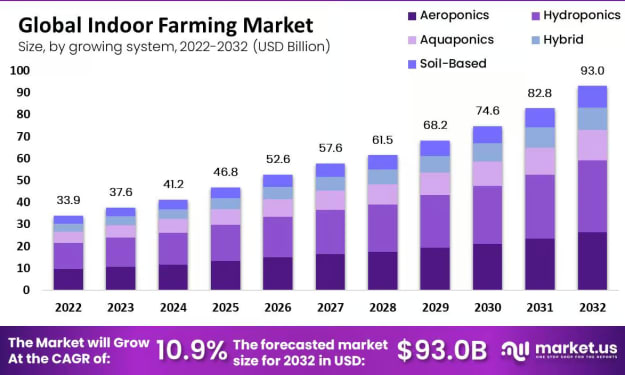
Overview In 2022, the global Indoor Farming Market was valued at USD 33.9 billion and is projected to reach USD 93.0 billion by 2032, with an estimated CAGR of 10.9% from 2023 to 2032. Indoor farming involves cultivating crops in controlled environments, often using vertical farming techniques where plants are grown in stacked layers. This approach typically employs soilless methods such as aeroponics, hydroponics, and aquaponics, combined with controlled-environment agriculture, to maximize plant growth efficiency. Growing consumer demand for fresh, high-quality produce is expected to drive market expansion. Additionally, the rising global population, particularly in developing nations like India and China, is increasing food demand, further boosting the indoor farming market's growth over the forecast period.
By Hayden Kulas6 days ago in Futurism



Comments
There are no comments for this story
Be the first to respond and start the conversation.