

Inflation is the rate at which the general level of prices for goods and services is rising and subsequently, purchasing power is falling. Central banks attempt to limit inflation, and avoid deflation, in order to keep the economy running smoothly.
There are many factors that can contribute to inflation, including but not limited to:
Increase in the money supply
Increase in government spending
Increase in production costs
Increase in demand for goods and services
Increase in import prices
When inflation is high, it can have negative effects on an economy. For example, high inflation can lead to uncertainty, as people and businesses may not know how much prices will increase in the future. This can lead to a decrease in investment and spending, which can slow down economic growth. Additionally, high inflation can be particularly harmful for people on fixed incomes, such as retirees, because their money does not go as far as it used to.
However, some level of inflation is considered healthy for an economy. For example, a low, steady rate of inflation can signal a strong economy and can also encourage spending and investment.
Central banks, such as the Federal Reserve in the United States, use monetary policy to try to control inflation. This can include adjusting interest rates, buying or selling government bonds, and adjusting the money supply. They also use inflation targeting, which is a monetary policy in which a central bank estimates an inflation rate and then adjust the interest rate to meet the target.
Inflation is a complex economic concept that can have both positive and negative effects on an economy. It is important for individuals and businesses to stay informed about inflation rates and their potential effects on the economy, as well as the actions taken by central banks to control inflation.
Some of the worst instances of hyperinflation in history include:
-Germany in the 1920s: In 1923, the annual inflation rate reached an astounding 29,500%.
-Hungary in the 1940s: In 1946, the annual inflation rate reached 41.9 quadrillion percent.
-Yugoslavia in the 1990s: In 1994, the annual inflation rate reached 313 million percent.
-Zimbabwe in the 2000s: In 2008, the annual inflation rate reached 231 million percent.
These are just a few examples of the worst hyperinflations in history. It's important to note that high inflation can have severe economic and social consequences, such as reducing the value of savings, causing economic instability, and increasing poverty.
There are several ways that countries have historically tackled inflation:
Monetary policy: Central banks can raise interest rates to make borrowing more expensive, which can slow down economic growth and reduce inflation.
Fiscal policy: Governments can reduce spending or raise taxes to slow down economic growth and reduce inflation.
Price controls: Governments can impose price controls on certain goods and services to prevent prices from rising too quickly.
Exchange rate policy: A country can devalue its currency, making its exports cheaper and imports more expensive, which can help to reduce inflation.
Supply-side policies: Governments can implement policies to increase productivity and boost economic growth, which can help to reduce inflation over the long term.
It is important to note that the most effective approach to controlling inflation will depend on the specific circumstances of the country and the causes of the inflation.
Inflation and recession are two economic indicators that can have an inverse relationship. During a recession, there is typically a decrease in economic activity and an increase in unemployment, which can lead to a decrease in inflation. Conversely, during a period of high inflation, there may be an increase in interest rates and a decrease in consumer spending, which can lead to a recession. However, it's worth noting that the relationship between inflation and recession is complex and not always straightforward.
bhar
About the Creator
Keep reading
More stories from Bharani Dharan and writers in Futurism and other communities.
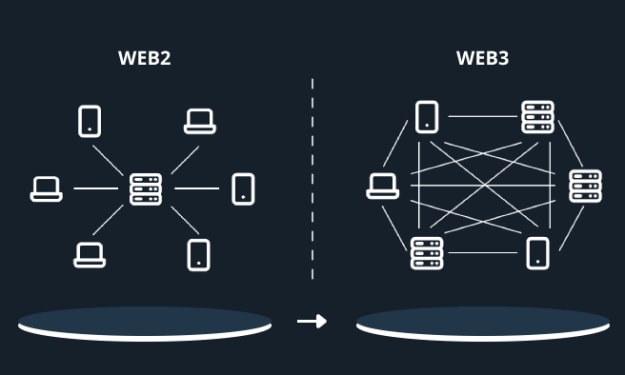
Web 3
What technology benefits more than 3 Billion people for 80% of their waking hours every single day? Web 2.0. Web 2.0, coined as such by O’Reilly and others between 1999 and 2004, moved the world on from static desktop web pages designed for information consumption and served from expensive servers to interactive experiences and user-generated content that brought us Uber, AirBnB, Facebook and Instagram. The rise of Web 2.0 was largely driven by three core layers of innovation: mobile, social and cloud.
By Bharani Dharan3 years ago in Futurism
DevOps Market: Agile Development Adoption, CI/CD Automation & Industry Growth Outlook
According to IMARC Group’s latest research publication, the global DevOps market size reached USD 13.5 Billion in 2024. Looking forward, IMARC Group expects the market to reach USD 72.7 Billion by 2033.
By sujeet. imarcgroup6 days ago in Futurism
Digital Signage in Education & Universities Market to Reach USD 5.48 Billion by 2034
The global digital signage in education and universities market is experiencing steady growth as educational institutions adopt advanced communication technologies across campuses. The market is projected to grow from USD 2.15 billion in 2024 to approximately USD 5.48 billion by 2034, reflecting a 9.8% CAGR during the forecast period. Digital signage systems are increasingly used in schools, colleges, and universities to display announcements, schedules, emergency alerts, and academic information.
By Roberto Crum3 days ago in Futurism
The BAFTA Awards
By now, in a stunning departure from recent years, most of the world is aware of what happened at the BAFTA film awards. Social Media Headlines will tell you the bare bones: that John Davidson, a Tourette's Syndrome advocate, shouted a racial slur at two Actors of Colour, Michael B Jordan and Delroy Lindo.
By Natasja Rose4 days ago in Psyche


Comments
There are no comments for this story
Be the first to respond and start the conversation.