
Impact of Mobile Use
How much percentage of adults and children are using mobiles?


Recent studies by Razorfish and GWI offer a revealing look into how different age groups interact with technology. The data uncovers notable trends in gadget usage and preferences, highlighting the distinct ways adults and children engage with digital devices. While mobile phones are universally popular, other technology such as laptops, gaming consoles, tablets, and smartwatches show diverse usage patterns between generations. This article delves into these patterns and examines the implications for businesses and content creators seeking to connect with the emerging Generation Alpha.
Mobile Device Usage
Globally, mobile phones are a staple across all age groups, with an impressive 98% of adults using them compared to 90% of children. This high penetration rate underscores the fundamental role of mobile phones in daily life. However, the data suggests that while mobile phones are a common thread, children’s technology habits extend beyond this single device, reflecting a more varied interaction with technology.
Laptops: Laptops are widely used among children, with 73% engaging with them globally. This is a notable increase compared to 67% of adults who use laptops. For children, laptops serve multiple purposes—educational tools, gaming platforms, and general internet access. This high usage rate suggests that laptops are integral to children's learning experiences and recreational activities.
Gaming Consoles: When it comes to gaming consoles, children show a marked preference, with 69% using them compared to just 35% of adults. This disparity highlights the significant role gaming plays in children’s lives, not only as a source of entertainment but also as a medium for social interaction and skill development. Gaming consoles often provide an immersive experience that appeals strongly to younger audiences.
Tablets: Tablets also see higher usage among children, with 64% using them versus 41% of adults. Tablets are versatile devices that cater to various needs, including educational apps, games, and multimedia consumption. Their ease of use and portability make them particularly appealing to younger users, who may use them for both learning and leisure.
Smartwatches: Both adults and children use smartwatches, but children’s usage is notably higher, at 33% compared to 26% of adults. Smartwatches offer a range of functionalities, from fitness tracking to communication, which align with the active and connected lifestyles of children. The growing interest in wearable technology among youngsters reflects their desire for gadgets that integrate seamlessly into their daily routines.
Parental Attitudes and Technology
The perspective of Generation Alpha parents towards technology use is overwhelmingly positive. According to Razorfish, 65% of these parents support their children’s use of technology, believing it has a beneficial impact on their development. This supportive stance highlights a shift towards recognizing the value of technology in fostering educational and cognitive growth. Parents’ endorsement suggests a growing acceptance of technology as a constructive tool rather than a mere distraction.
Educational Content and Engagement
Generation Alpha shows a keen interest in educational content, which presents significant opportunities for brands and content creators. In the USA, 86% of Gen Alpha consumers express a desire to learn something interesting from their favorite brands. This trend indicates that children are not only using technology for entertainment but also actively seeking educational value. Businesses that create informative, engaging content tailored to children’s interests are likely to capture this audience’s attention and foster long-term loyalty.
Brand Engagement: A substantial 58% of Gen Alpha are interested in brands. This suggests that they are not passive consumers but actively engage with brand content. Companies looking to connect with this demographic should focus on creating authentic, relatable brand experiences that resonate with their values and interests.
Trends and Fashion: With 59% seeking information on trends and fashion, Generation Alpha demonstrates a strong desire to stay current with the latest styles and cultural trends. This inclination towards trends presents an opportunity for brands to engage with this audience through dynamic and up-to-date content that reflects current fashion and lifestyle movements.
Technology Enthusiasm: A notable 56% of Gen Alpha are enthusiastic about tech products. Their interest in the latest gadgets and technological advancements indicates a desire for innovation and cutting-edge technology. Brands specializing in tech products should focus on showcasing their latest offerings and advancements to appeal to this tech-savvy generation.
Environmental Concerns: Generation Alpha is also attuned to environmental issues, with 42% expressing concern for sustainability. This awareness suggests that they value eco-friendly practices and products. Brands that prioritize sustainability and environmental responsibility are likely to resonate with this conscientious demographic.
Global Awareness: With 43% using the internet to stay informed about world affairs, Generation Alpha demonstrates a global perspective and interest in international events. This awareness highlights the importance of providing content that is not only relevant but also global in scope.
Conclusion
The technology usage patterns among Generation Alpha reveal a generation that is deeply engaged with a variety of digital devices. From mobile phones and laptops to gaming consoles, tablets, and smartwatches, children are interacting with technology in multifaceted ways. Their diverse interests and active online behavior present valuable opportunities for businesses and content creators. Understanding these trends and tailoring strategies accordingly will be key to connecting with and capturing the attention of Generation Alpha as they continue to grow and evolve.
About the Creator
Australia Pro AV Market: Hybrid Work Demand, Digital Signage & Smart AV Technologies
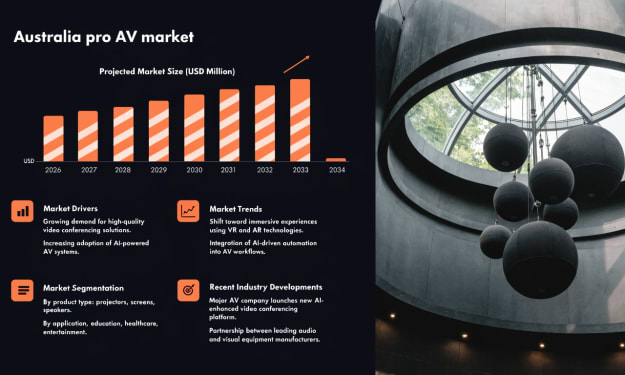
According to IMARC Group, the Australia pro AV market reached a value of USD 93.9 Million in 2025 and is projected to reach USD 133.6 Million by 2034, growing at a compound annual growth rate (CAGR) of 3.88% during 2026–2034. The market is expanding as organizations increasingly adopt advanced audiovisual solutions to support communication, collaboration and digital engagement. Hybrid work environments are encouraging businesses to invest in video conferencing systems, smart displays and integrated collaboration platforms that connect remote and in-office teams. At the same time, industries such as retail, hospitality and tourism are investing in digital signage to improve customer engagement and brand communication. As companies focus on creating interactive and technology-driven environments, professional AV solutions are becoming essential tools for modern workplaces, entertainment venues and commercial spaces across Australia.
By Kevin Cooper5 days ago in Futurism
WhatsApp Business API: A Complete Guide to Business Messaging in 2026
Over the past decade, the way businesses communicate with customers has changed dramatically. Traditional channels such as email and phone support are still widely used, but instant messaging has become one of the most preferred ways for people to interact with brands. Customers increasingly expect quick responses, convenient updates, and support that feels personal rather than formal.
By Olivia Carter2 days ago in Futurism
Why Didn't Anyone Tell Us
Men, move along. This is not for you. This is for the women. I was forty-five when I began menopause. It is pretty young for that to be going on in a woman’s life, but I had undiagnosed PCOS, my entire life. Thank you to all the gynecologists I had seen my entire life. That in itself should encourage women to keep seeking second opinions, especially when you are not getting correct answers or any at all.
By Alexandra Grant3 days ago in Humans



Comments
There are no comments for this story
Be the first to respond and start the conversation.