
How to Use AI and Automation to Streamline Recruitment in 2025
streamline recruitment in 2025 with uKnowva HRMS
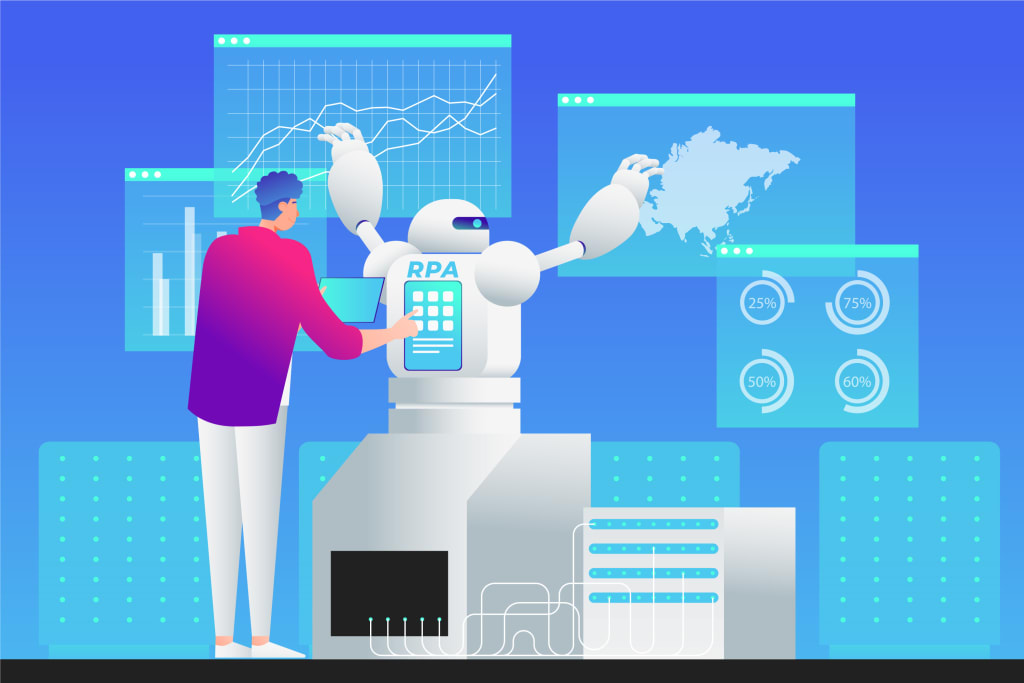
As we approach 2025, AI and automation are reshaping recruitment practices, helping organizations make faster, more informed hiring decisions while enhancing candidate experience. For HR teams, this technology means less time spent on repetitive tasks and more focus on strategic decision-making. Here’s how to harness AI and automation to streamline your recruitment process, making it efficient, scalable, and tailored to today’s fast-evolving workforce.
The Benefits of Using AI and Automation in Recruitment
AI and automation offer a host of advantages that are revolutionizing recruitment:
Time Savings: Automation accelerates tasks like resume screening, interview scheduling, and candidate communication.
Enhanced Candidate Experience: Automated tools make the process smoother and more transparent for candidates, from application to onboarding.
Improved Quality of Hire: AI algorithms analyze candidate data to identify high-fit candidates based on skills, experience, and potential culture fit.
Cost Efficiency: Automated recruitment cuts down on operational costs, allowing recruiters to manage more candidates effectively with fewer resources.
How AI and Automation Streamline Key Stages of Recruitment
AI and automation can be applied to each stage of the recruitment journey, transforming how organizations attract, evaluate, and select talent.
1. Job Posting and Candidate Sourcing
AI-driven tools can analyze job descriptions and automatically post them to relevant job boards and social media platforms. Moreover, sourcing tools powered by AI can scan databases and online profiles to find candidates who match job requirements.
2. Resume Screening and Candidate Matching
AI algorithms can scan resumes faster than any recruiter, quickly filtering out applicants based on keywords, skills, experience, and other predefined criteria. This automated screening saves recruiters hours of manual work and reduces human bias by focusing on job-relevant qualifications.
Example Tools: uKnowva HRMS with AI-powered screening capabilities.
3. Automated Chatbots for Candidate Engagement
Chatbots powered by AI can engage candidates in real time, answering common questions about the role, application process, or company culture. They can even guide candidates through the initial stages of application, providing a seamless experience.
4. Candidate Assessment with AI-Based Testing
AI-powered assessment tools help measure a candidate’s skills, personality traits, and cognitive abilities, providing insights that go beyond the resume. With video analysis and sentiment detection, AI assessments can predict which candidates are likely to excel in specific roles.
5. Interview Scheduling and Coordination
Automated scheduling tools eliminate back-and-forth emails by letting candidates select interview times that fit their schedules. Integrated with calendar systems, these tools streamline the entire scheduling process and send automated reminders.
Example Tools: Calendly, uKnowva HRMS interview scheduler.
6. Video Interviewing with AI Analysis
AI-enabled video interviewing platforms not only allow remote interviews but also use algorithms to analyze candidates’ responses, tone, and body language, offering objective insights on a candidate’s communication and emotional intelligence.
7. Onboarding Automation
Once the candidate accepts the offer, automation simplifies onboarding by guiding new hires through the necessary paperwork, compliance checks, and initial training. Automated onboarding keeps the process consistent and helps new employees acclimate smoothly.
Example Tools: uKnowva HRMS onboarding module
How to Implement AI and Automation in Your Recruitment Process
Implementing AI and automation requires thoughtful planning to maximize its potential. Here’s how to get started:
Define Clear Objectives: Identify what you hope to achieve with AI and automation. Are you looking to reduce time-to-hire, improve candidate engagement, or both?
Select the Right Tools: Choose tools that align with your recruitment needs and integrate seamlessly with your existing HR software. For instance, uKnowva HRMS offers AI-powered modules that work well in tandem with other recruitment tools.
Train Your Recruitment Team: Equip your team with the knowledge and skills to use AI tools effectively. Many solutions offer training and support to get teams up to speed quickly.
Start Small and Scale Gradually: Implement AI in one area, such as resume screening or interview scheduling, and then expand as you become comfortable with the technology.
Monitor and Adjust: Regularly evaluate the effectiveness of AI and automation tools, gathering feedback from both recruiters and candidates to make adjustments.
Challenges and Considerations in AI Recruitment
While AI and automation are powerful, they come with their own challenges:
Bias in AI Algorithms: AI is only as objective as the data it’s trained on. If historical hiring data contains bias, it can be inadvertently perpetuated in AI screening. To minimize this, continuously review and refine AI algorithms to ensure fair, inclusive hiring practices.
Data Privacy: Collecting and processing candidate data raises privacy concerns. Ensure compliance with data protection laws like GDPR and CCPA, especially when using AI tools for candidate assessment.
Maintaining the Human Touch: While automation handles repetitive tasks, the human touch remains essential for engagement and empathy. Recruiters should step in during key interactions to maintain personal connections.
The Future of AI and Automation in Recruitment
Looking ahead, AI and automation are set to become even more sophisticated, with predictive analytics, personalized candidate experiences, and seamless onboarding. Here’s what’s on the horizon:
Predictive Analytics for Proactive Hiring: With predictive analytics, AI can forecast hiring needs based on trends in turnover, business growth, and employee performance, enabling companies to stay ahead of workforce demands.
Hyper-Personalized Candidate Experience: By leveraging AI, recruiters can offer a more customized experience for candidates, tailoring messages, interview formats, and even career paths based on individual profiles.
AI-Enhanced Employee Retention Insights: Beyond hiring, AI will increasingly play a role in employee retention, tracking engagement levels, career progress, and job satisfaction to identify when employees may be at risk of leaving.
Conclusion
AI and automation are redefining the future of recruitment, enabling companies to save time, improve efficiency, and make smarter hiring decisions. From resume screening to onboarding, AI-driven tools streamline every stage of recruitment, creating a more responsive, candidate-centered experience. By integrating AI thoughtfully and keeping an eye on the balance between technology and human interaction, companies can harness its full potential to build stronger, more engaged teams. Embracing AI and automation in recruitment isn’t just about staying competitive—it’s about setting the standard for recruitment in 2025 and beyond.
About the Creator
Keep reading
More stories from Aditi Sharma and writers in Futurism and other communities.
"Reshaping Team Dynamics to Thrive in Hybrid Work Environments"
As hybrid work environments become the new norm, HR leaders face the challenge of ensuring that teams continue to function effectively despite the physical distance between team members. In a hybrid setting, where some employees work remotely while others are in the office, reshaping team dynamics is crucial to maintain collaboration, productivity, and employee satisfaction. HR leaders need to take a proactive approach to create a cohesive team environment that allows everyone, regardless of location, to contribute and feel valued.
By Aditi Sharmaabout a year ago in Futurism
About Binding Prometheus
I want to start actively advocating on behalf of my own work, and the most valuable part of my canon is, without a doubt, Binding Prometheus, the play I have been working on since 2019 and only finished in 2023 as part of my MA. The play itself is an amalgamation of a million different inspirations. On one end, it evokes the Ancient Greek myth-play, deriving its own title from the earliest extant work of Western drama we have, Aeschylus’s Prometheus Bound. On the other end, it borrows significantly from the sci-fi bulwarks from over the years, namely Mary Shelley’s Frankenstein and Karel Capek’s Rossum’s Universal Robots. The play could be an episode of Black Mirror, I fear. I don’t know. I’ve only ever seen one episode of Black Mirror.
By Steven Christopher McKnight18 days ago in Futurism
Global Toys Market Size and Forecast 2025–2033
Introduction: A Market Powered by Play and Innovation The Global Toys Market is set to record significant growth, surging from US$ 112.78 billion in 2024 to US$ 202.51 billion by 2033, expanding at a CAGR of 6.72% from 2025 to 2033, according to Renub Research. This impressive trajectory highlights the continued relevance of toys in a rapidly evolving digital world. Rising consumer spending, the increasing demand for educational and interactive products, and the growing integration of technology into play experiences are reshaping how children—and increasingly adults—engage with toys.
By Aaina Oberoi7 days ago in Futurism



Comments
There are no comments for this story
Be the first to respond and start the conversation.