
How Smart Homes Are Shaping Modern Lifestyles
The Rise of Smart Homes in Modern Living

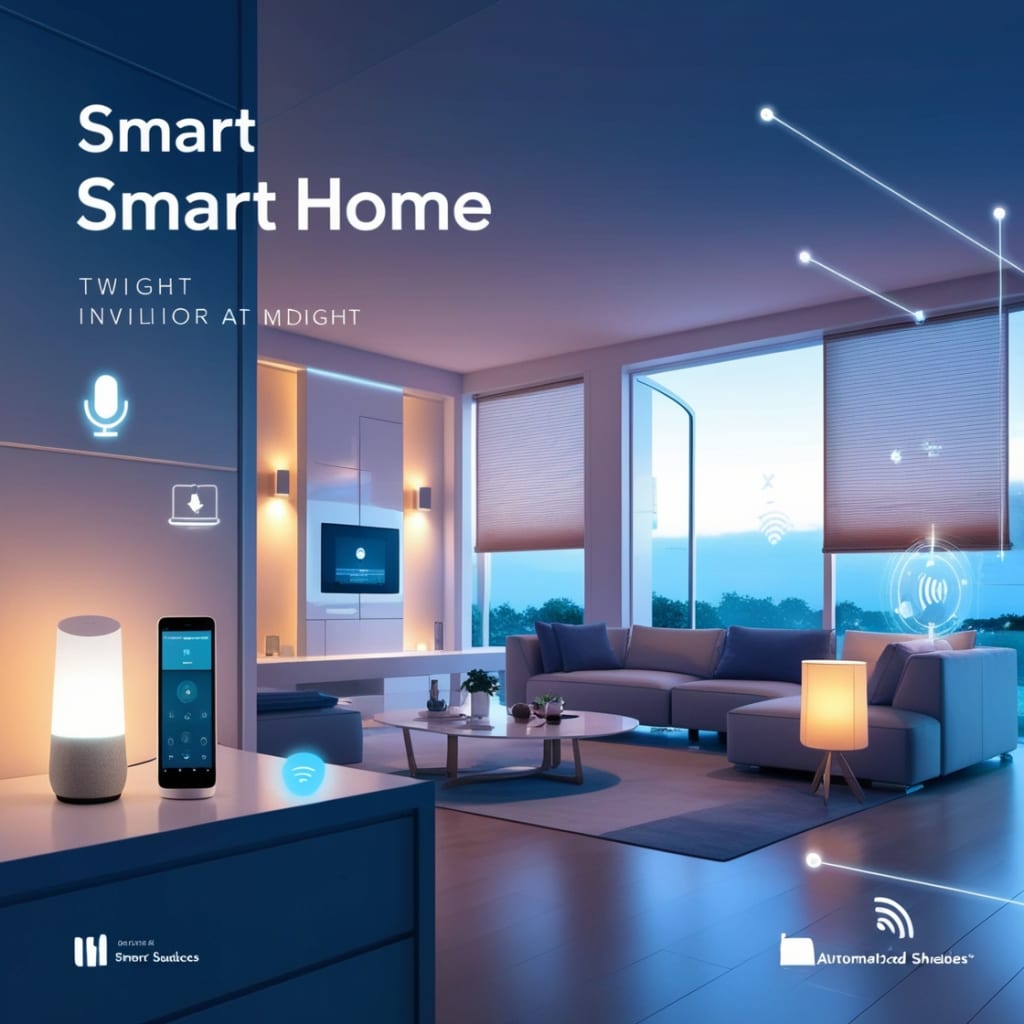
Introduction: The Rise of Smart Homes in Modern Living
In the last decade, smart homes have transformed from a futuristic concept to a present-day reality. With advancements in technology and the rise of the Internet of Things (IoT), more homeowners are integrating smart home devices to automate everyday tasks, improve security, and enhance comfort. This shift is not only reshaping how we interact with our living spaces but is also profoundly influencing modern lifestyles.
Today’s connected homes offer convenience, efficiency, and control at the fingertips of users, enabling a lifestyle that is smarter, more sustainable, and tailored to individual needs. This article explores the impact of smart homes on daily living, the technologies driving this transformation, and how they are shaping the way we live, work, and relax.
What Are Smart Homes?
A smart home is a residence equipped with technology that allows remote and automated control of household systems and appliances. This includes:
- Lighting
- Heating and cooling (HVAC)
- Security cameras and alarms
- Entertainment systems
- Kitchen appliances
- Door locks and garage doors
Through smartphone apps, voice assistants like Amazon Alexa or Google Assistant, or pre-set automation routines, smart homes provide seamless management of these devices.
The Core Technologies Behind Smart Homes
The backbone of smart home technology lies in the Internet of Things (IoT) — the interconnection of everyday objects to the internet and to each other. Key technologies include:
- Wi-Fi and Bluetooth connectivity: Allow devices to communicate wirelessly.
- Voice recognition: Enabling control through spoken commands.
- Artificial intelligence (AI): Learns user behavior to automate routines.
- Sensors: Detect motion, temperature, humidity, and more for real-time adjustments.
- Cloud computing: Stores data and enables remote control from anywhere.
Together, these technologies create an intelligent ecosystem that anticipates user needs and simplifies home management.
Benefits of Smart Homes in Modern Lifestyles
1. Enhanced Convenience and Comfort
Smart home automation allows users to control multiple devices with a single interface or voice command. Imagine adjusting the thermostat, turning on the coffee machine, and dimming the lights—all before getting out of bed. Automated routines, such as lights turning on at sunset or doors locking after bedtime, make everyday life effortless and efficient.
2. Improved Energy Efficiency
With smart thermostats, lighting, and appliances, homeowners can significantly reduce energy consumption. These devices optimize usage based on occupancy and time of day, leading to lower utility bills and a reduced environmental footprint. Features like energy usage monitoring provide insights for better resource management.
3. Enhanced Security and Peace of Mind
Smart security systems, including cameras, motion detectors, and smart locks, provide real-time alerts and remote monitoring. Users can check who’s at the door, receive notifications of unusual activity, and even control locks from afar, improving home security and personal safety.
4. Health and Wellness Support
Smart homes can also promote wellness through air quality monitors, humidity sensors, and lighting that adjusts to circadian rhythms. These technologies help create healthier living environments, improving sleep quality and overall well-being.
How Smart Homes Are Influencing Modern Lifestyle Trends
Remote Work and Home Offices
The global rise in remote work has made smart home technologies more relevant than ever. Automated lighting, climate control, and noise management systems create ideal work environments that enhance productivity. Smart assistants help schedule meetings, manage reminders, and facilitate virtual communication.
Aging in Place and Assisted Living
Smart homes enable older adults to live independently longer by integrating fall detection, medication reminders, and emergency alert systems. This technology supports aging populations and provides families with reassurance about loved ones’ safety.
Sustainable Living
Modern consumers are increasingly eco-conscious. Smart homes contribute to sustainability by optimizing energy and water use, integrating renewable energy sources like solar panels, and reducing waste through smart appliances.
Popular Smart Home Devices Shaping Daily Life
- Smart speakers and voice assistants: Amazon Echo, Google Nest
- Smart thermostats: Nest, Ecobee
- Security systems: Ring doorbells, Arlo cameras
- Lighting: Philips Hue, LIFX smart bulbs
- Smart appliances: Refrigerators, ovens, robotic vacuums
- Home hubs: Samsung SmartThings, Apple HomeKit
These devices integrate easily into various lifestyles and budgets, making smart homes accessible to a wide audience.
Challenges and Considerations
While smart homes offer many benefits, there are challenges:
- Privacy concerns: Data collection by smart devices raises questions about security and user privacy.
- Compatibility issues: Different devices and platforms may not always work seamlessly together.
- Cost: Initial investment can be significant, though prices are decreasing.
- Technical complexity: Setup and maintenance require some technological literacy.
Awareness and careful planning can help overcome these obstacles, ensuring a positive smart home experience.
The Future of Smart Homes and Lifestyles
Looking ahead, smart homes will become even more integrated with AI, offering predictive assistance and advanced customization. Emerging technologies like 5G, edge computing, and improved sensor capabilities will enable faster, more reliable connections.
Expect innovations such as:
- Fully automated homes that anticipate needs without manual input
- Advanced health monitoring integrated with medical providers
- Smart cities where homes connect to public infrastructure for energy and security
Smart homes are not just changing where we live—they are transforming how we live.
Conclusion: Smart Homes as a Lifestyle Revolution
Smart homes are no longer a luxury—they are rapidly becoming a cornerstone of modern life. From enhancing convenience and security to promoting health and sustainability, smart home technology is reshaping lifestyles around the globe.
By embracing connected living, individuals can enjoy greater control over their environments, optimize resources, and live more comfortably and securely. As technology advances, smart homes will continue to evolve, offering new possibilities and redefining the very concept of home.
About the Creator
Muhammad Asim
Welcome to my space. I share engaging stories across topics like lifestyle, science, tech, and motivation—content that informs, inspires, and connects people from around the world. Let’s explore together!
Keep reading
More stories from Muhammad Asim and writers in Futurism and other communities.
The Rise of AI in Daily Life: What to Expect by 2030
Artificial Intelligence (AI) is no longer just a futuristic concept from science fiction—it's already shaping the way we live, work, and interact. From voice assistants to smart recommendations, AI is embedded in our daily experiences. But by 2030, AI is expected to revolutionize nearly every aspect of our lives in ways we can only begin to imagine.
By Muhammad Asim9 months ago in Futurism
Australia Fleet Management Market: Telematics Adoption, Cost Optimization & EV Fleet Transition
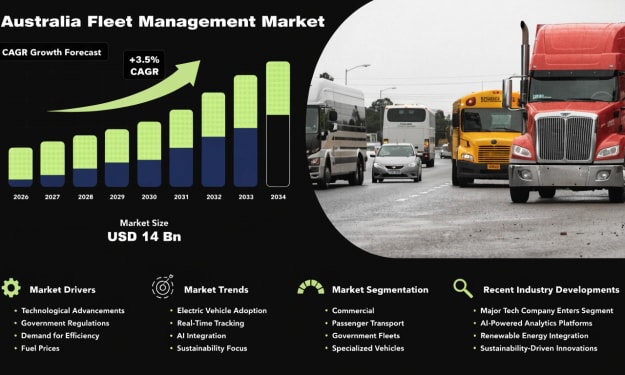
According to IMARC Group, the Australia fleet management market reached USD 885.4 Million in 2025 and is projected to expand to USD 2,057.2 Million by 2034, exhibiting a compound annual growth rate (CAGR) of 9.82% during 2026–2034. The market is experiencing strong growth as organizations across logistics, transportation, construction, and service industries increasingly adopt digital tools to manage vehicle fleets more efficiently. Fleet management solutions combine GPS tracking, telematics systems, cloud-based software, and data analytics to optimize vehicle usage, reduce operational costs, and enhance safety. In Australia, the rapid expansion of e-commerce delivery networks, growing environmental sustainability initiatives, and the transition toward electric vehicles are significantly strengthening Australia fleet management market share. Businesses are increasingly recognizing fleet management as a critical component of modern logistics and operational efficiency.
By Kevin Coopera day ago in Futurism
Automotive Hypervisor Market Outlook: Software-Defined Vehicles and Virtualization Growth Opportunities
According to IMARC Group's latest research publication, global automotive hypervisor market size reached USD 330.64 Million in 2024. Looking forward, IMARC Group expects the market to reach USD 2,584.05 Million by 2033, exhibiting a growth rate (CAGR) of 25.45% during 2025-2033.
By James Whitman7 days ago in Futurism
Review of 'Man on the Run'
My wife and I saw Man on the Run, a nearly 2-hour documentary on Amazon Prime, about Wings, Paul McCartney's group that flew around the world from shortly after The Beatles broke up in early 1970 to shortly after John Lennon was murdered at the end of 1980, making a Beatles reunion forever impossible.
By Paul Levinson5 days ago in Beat


Comments
There are no comments for this story
Be the first to respond and start the conversation.