
How Google’s SGE Is Changing SEO And What You Should Do About It
What Google’s AI-Powered Search Means for Your Website and SEO Strategy

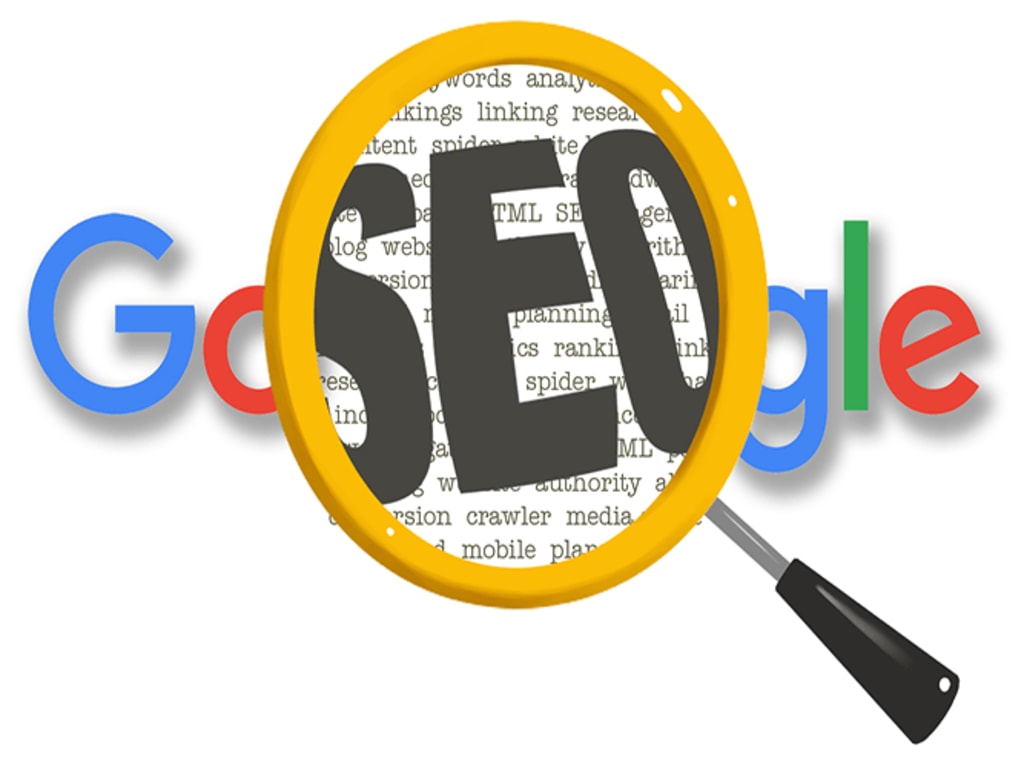
Just when we thought we were catching up with Google’s latest algorithm updates, they dropped another game-changer: SGE—or Search Generative Experience.
If you’re wondering what that means for your SEO strategy, you’re not alone. SGE is one of the biggest shifts we’ve seen in how search works. But don’t panic—it’s not the end of SEO. It’s just a new chapter. Let’s break it down in a way that makes sense (and helps you stay ahead).
So, What Is SGE, Anyway?
Think of Google’s SGE as search powered by AI that talks to you—like a super helpful assistant that gives you direct answers instead of a list of websites. It summarizes information, shows quick overviews, and even gives follow-up suggestions based on your query.
Instead of typing “best running shoes” and getting a list of blog posts or online stores, Google might now show you a summarized AI response with a list of top-rated shoes, key features, and why they’re good—for your needs.
It’s fast, smart, and honestly kind of cool—but yeah, it changes how we do SEO.
Why It Matters (and Why You Should Care)
This new AI-powered approach changes where and how people interact with search results. The big headline? You might not need to click a website at all to get what you need. That’s a huge shift for marketers and business owners trying to drive traffic.
Here’s what’s changing:
People are clicking less and reading more right on the search page.
Your content might be “used” by AI to answer questions—but your website link might not even show up.
Queries are getting longer and more natural (think full questions or scenarios).
Basically, if you’re not evolving with the way search is evolving, you could lose out—even if your content is great.
How SGE Pulls Its Info (and How to Get Noticed)
Google’s AI pulls content from sites that are:
Clear and informative
Backed by real expertise
Structured well (think headings, bullet points, etc.)
Regularly updated and accurate
So if your content ticks those boxes? You’re more likely to be featured in those AI-generated answers.
What You Should Do (Starting Now)
1. Write for People, Not Just Google
This one might sound obvious, but it’s never been more important. Write content that genuinely helps someone. That could mean tutorials, Q&As, product comparisons, or even step-by-step guides.
If someone’s searching “how to fix a leaky faucet,” don’t bury the answer in fluff. Give them clear steps, helpful tips, and even common mistakes to avoid.
2. Be the First to Answer Their Question
Try to answer the searcher’s main question right away in your content. Then go deeper with examples, images, and advice. This gives Google a clean summary to use in SGE—and gives your readers a reason to stay on your site.
3. Use Real, Conversational Phrases
People aren’t typing robotic keywords anymore. They’re searching like they talk. So use long-tail keywords and natural language.
Example:
Instead of optimizing for “skincare tips,” try something like:
“What’s a good nighttime skincare routine for oily skin?”
4. Organize Your Content Like a Pro
Google loves structure. Use:
Headings (H2, H3)
Bullet points
Clear summaries
FAQ sections
Schema markup (if you can)
The easier it is to scan your content, the more useful it is to both readers and AI.
5. Prove You Know Your Stuff
Google is big on E-E-A-T: Experience, Expertise, Authoritativeness, and Trustworthiness. So:
Add expert bios to your posts
Link to credible sources
Share real experiences or case studies
Keep content fresh and updated
6. Cover Topics in Depth
Instead of just writing one blog post on a topic, create a whole content hub around it. This tells Google (and your readers) that you’re an expert in that area.
Example: If you’re in fitness, don’t stop at “best home workouts.” Also write:
“10-minute core workout for beginners”
“No-equipment cardio ideas”
“Yoga stretches to reduce stress”
Where SEO Is Headed
The rise of SGE doesn’t mean SEO is over—it just means it’s evolving. It’s less about ranking #1 and more about being helpful, human, and trustworthy.
Here’s what will matter most: ✅ Content that answers real questions
✅ A great user experience
✅ Staying up to date with how search keeps changing
Final Thoughts
Google’s Search Generative Experience might feel like a curveball, but it’s also a huge opportunity. If you focus on creating content that truly serves people, you’ll not only stay relevant—you’ll thrive.
And remember: SEO isn’t about beating algorithms. It’s about helping people. That’s something AI can’t do quite like we can yet.
About the Creator
Ashna Ash
Hi,
I love to write about anything that comes to my mind everyday. Here I'm to start my blogging journey.
About Binding Prometheus
I want to start actively advocating on behalf of my own work, and the most valuable part of my canon is, without a doubt, Binding Prometheus, the play I have been working on since 2019 and only finished in 2023 as part of my MA. The play itself is an amalgamation of a million different inspirations. On one end, it evokes the Ancient Greek myth-play, deriving its own title from the earliest extant work of Western drama we have, Aeschylus’s Prometheus Bound. On the other end, it borrows significantly from the sci-fi bulwarks from over the years, namely Mary Shelley’s Frankenstein and Karel Capek’s Rossum’s Universal Robots. The play could be an episode of Black Mirror, I fear. I don’t know. I’ve only ever seen one episode of Black Mirror.
By Steven Christopher McKnight15 days ago in Futurism
High Purity Alumina Market: Clean Energy Adoption & Material Innovation Trends
According to IMARC Group's latest research publication, global high purity alumina market size reached USD 2,547.04 Million in 2024. Looking forward, IMARC Group expects the market to reach USD 14,575.85 Million by 2033, exhibiting a growth rate (CAGR) of 20.32% during 2025-2033.
By Andrew Sullivan3 days ago in Futurism



Comments
There are no comments for this story
Be the first to respond and start the conversation.